
By VFuture Media Staff | December 17, 2025
In a stunning nighttime spectacle from California’s Vandenberg Space Force Base, SpaceX’s Falcon 9 rocket thundered into the sky on November 17, 2025, carrying the Sentinel-6B satellite—a powerhouse of ocean-monitoring technology. This landmark launch, marking SpaceX’s 500th use of a reused booster, underscores the deepening NASA-SpaceX partnership in tackling Earth’s most pressing environmental challenges. As rising seas threaten coastlines worldwide, Sentinel-6B steps up to deliver pinpoint-accurate data that could save lives, protect infrastructure, and sharpen our fight against climate change.
The Epic Sentinel-6B Launch: A Milestone in Reusability and Precision
At 9:21 p.m. PST on November 16 (12:21 a.m. EST November 17), the Falcon 9 ignited, piercing the darkness and deploying Sentinel-6B into orbit just over an hour later. This mission wasn’t just routine—it highlighted SpaceX’s mastery of reusable rocketry, with the first-stage booster landing flawlessly for future flights.
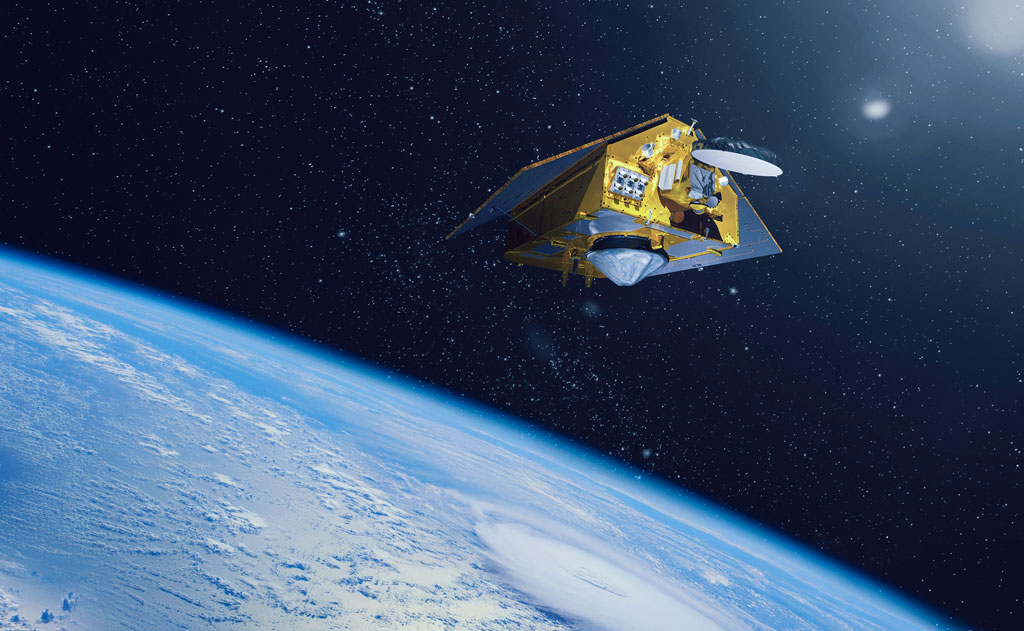
Sentinel-6B, roughly the size of a pickup truck, joins its twin, Sentinel-6 Michael Freilich (launched in 2020), in a high-orbit vigil over Earth’s oceans. Equipped with advanced radar altimeters and microwave radiometers, it measures sea surface height to within an inch across 90% of the world’s oceans, while tracking wave heights, wind speeds, and atmospheric humidity.
“Sentinel-6B rising, extending nearly four decades of the precise sea-level record from space,” NASA commentators announced during the live broadcast. This collaboration between NASA, the European Space Agency (ESA), EUMETSAT, NOAA, and the European Commission ensures uninterrupted data flowing into global climate models.
Why Ocean Monitoring Matters Now More Than Ever
Sea levels are rising faster due to melting ice and warming waters, impacting billions in coastal regions. Sentinel-6B’s data will enhance hurricane intensity forecasts, improve flood predictions, and guide maritime navigation—vital for shipping routes and offshore industries.
During its first year, Sentinel-6B will fly in tandem with its predecessor for cross-calibration, ensuring seamless accuracy. Then, it takes over as the reference satellite, orbiting Earth 13 times daily at 830 miles up. This extends a dataset started in 1992, providing scientists with the longest, most reliable record of sea-level changes—a key indicator of climate dynamics.
Broader Environmental Tech Advancements: NASA and SpaceX Leading the Charge
The Sentinel-6B mission exemplifies how public-private partnerships are revolutionizing Earth observation. SpaceX’s reliable, cost-effective launches have enabled NASA to deploy cutting-edge environmental satellites at an unprecedented pace in 2025.
This year alone, NASA-SpaceX collaborations have advanced climate tech through missions monitoring everything from ocean health to atmospheric conditions. Reusable rockets slash costs, allowing more frequent deployments and denser data collection. Innovations like high-precision altimetry and AI-driven analysis are turning raw satellite feeds into actionable insights for policymakers, helping mitigate disasters and plan sustainable coastal development.
As Nicky Fox, NASA’s Science Mission Directorate associate administrator, emphasized: “Understanding tidal patterns down to the inch is critical in protecting how we use our oceans every day.”
The Future of Climate Innovation: Eyes on the Horizon
With Sentinel-6B now operational, we’re entering a new era of proactive environmental stewardship. This satellite doesn’t just observe— it empowers better decisions on flood defenses, renewable ocean energy, and global food security through improved weather forecasting.
NASA and SpaceX’s synergy proves that bold innovation can address climate threats head-on. As data streams in, expect breakthroughs in predicting extreme weather and safeguarding vulnerable communities.
The boundaries of space exploration are expanding, but missions like this remind us: Protecting Earth is the ultimate frontier.
Stay locked to VFutureMedia.com for the latest on NASA-SpaceX launches, climate tech breakthroughs, and ocean monitoring updates. How do you think Sentinel-6B’s data will shape our response to rising seas? Sound off in the comments!




Leave a Comment