

Introduction: The EV Myth We Don’t Like to Talk About
Electric vehicles are everywhere in 2026.
They dominate auto shows.
They headline government climate plans.
They’re the poster child of sustainability.
And yet—EVs alone won’t save the planet.
That’s not an anti-EV take. I’ve covered EV adoption for years at VFutureMedia.com, and the data is clear: electrifying cars is necessary, but it is nowhere near sufficient.
Here’s the uncomfortable truth:
Road transport accounts for less than 15% of global emissions.
Even if every car on Earth went electric tomorrow, the climate crisis would still rage on.
So what’s next?
In this editorial, I’ll break down why EVs hit a ceiling, what green tech must tackle next, and how 2026 marks the moment the climate conversation finally grows up.
Agree or disagree? Drop your take in the comments.
1. EVs Solve Oil Dependence—Not the Whole Carbon Problem
EVs excel at one thing: cutting tailpipe emissions and oil demand.
That matters—a lot.
But focusing only on EVs creates a dangerous illusion that transportation is the whole problem.
What EVs Fix
- Urban air pollution
- Passenger vehicle emissions
- Oil import dependence
What They Don’t Fix
- Heavy industry (steel, cement, chemicals)
- Power generation
- Aviation and shipping
- Buildings and heating
In short: EVs decarbonize mobility, not civilization.
2026 Reality Check:
EV adoption is accelerating—but emissions aren’t falling fast enough.
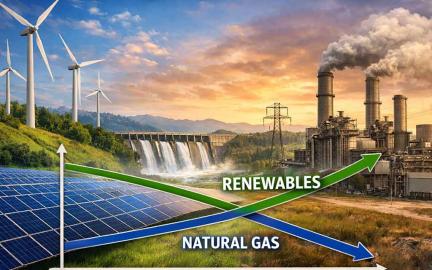
2. Clean Electricity Is the Real Climate Battleground
An EV is only as clean as the grid that charges it.
In many regions, EVs are still powered by:
- Coal-heavy grids
- Gas-fired peak plants
That means electrification without decarbonization just shifts emissions upstream.
What Green Tech Must Do Next
- Scale next-gen solar and wind faster than demand grows
- Deploy grid-scale storage to kill gas peaker plants
- Modernize grids with AI-driven load balancing
Key Insight:
Clean power—not EVs—is the foundation of climate progress.
3. Heavy Industry Is the Climate Elephant in the Room
Steel, cement, and chemicals produce more emissions than every car combined.
And EVs do nothing here.
What Must Replace Fossil Fuels in Industry
- Green hydrogen for high-heat processes
- Electrified furnaces
- Carbon-neutral cement formulas
- AI-optimized manufacturing
Why This Is Hard
- Long equipment lifecycles
- Thin profit margins
- High capital costs
Why 2026 Matters:
Industrial decarbonization is finally moving from pilot projects to real deployment.
4. Buildings Matter More Than Most People Realize
Heating buildings burns massive amounts of fossil fuel—mostly gas.
Yet buildings rarely get climate headlines.
What Green Tech Must Scale
- Heat pumps replacing gas boilers
- Smart insulation materials
- AI-controlled energy management systems
The Irony:
Heating emits more CO₂ than all cars in many countries—yet EVs dominate policy focus.
2026 Shift:
Governments begin treating buildings like the climate problem they are.
5. Batteries Alone Won’t Save the Grid Either
Batteries are essential—but they aren’t magic.
Where Batteries Work Best
- Short-term grid balancing
- EVs and home storage
Where They Fall Short
- Seasonal energy storage
- Heavy industry
- Long-distance transport
What Complements Batteries
- Green hydrogen
- Long-duration storage (iron-air, thermal)
- Smarter demand response
Big Picture:
Batteries are a piece—not the whole puzzle.
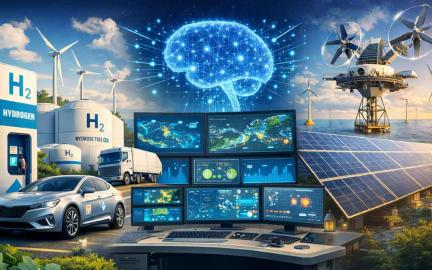
6. AI Is the Missing Accelerator in Green Tech
Here’s what rarely makes climate headlines:
AI reduces emissions without building anything new.
What AI Already Does in 2026
- Optimizes renewable output
- Predicts grid failures
- Cuts industrial waste
- Reduces energy demand
Why This Matters
- Faster impact than infrastructure alone
- Lower cost than massive buildouts
EVs + AI > EVs Alone
7. Carbon Capture Isn’t a Fossil Fuel Lifeline—It’s Damage Control
Carbon capture gets controversial fast.
Let’s be clear:
It doesn’t justify continued fossil fuel expansion.
But it does matter for:
- Cement
- Steel
- Legacy industrial sites
The Right Role for Carbon Capture
- Clean up what can’t yet be electrified
- Buy time—not permission—for polluters
2026 Reality:
Carbon capture becomes a bridge, not a crutch.
8. The Consumer Obsession Is Holding Us Back
EVs thrive because consumers buy them.
But climate progress can’t depend solely on consumer choice.
What Actually Moves the Needle
- Infrastructure
- Grid modernization
- Industrial regulation
- Public-private investment
Hard Truth:
You can’t shop your way out of a planetary crisis.
9. The Real Goal Isn’t Net-Zero Cars—It’s Net-Zero Systems
Climate success isn’t about:
- EV sales
- Solar installs
- Wind capacity
It’s about systems replacing systems.
That Means
- Fossil grids → smart grids
- Gas heating → electrified buildings
- Linear industry → circular manufacturing
EVs fit into this system—but they’re not the system itself.
10. 2026 Is the Year the Climate Conversation Grows Up
For years, EVs carried the climate narrative because they were:
- Visible
- Popular
- Politically easy
But now, the math is undeniable.
What Green Tech Must Do Next
- Decarbonize power first
- Attack industry head-on
- Electrify buildings
- Deploy AI everywhere
- Treat EVs as one tool—not the solution
If this article made you uncomfortable, good—that means the conversation is finally honest.
Conclusion: EVs Are the Beginning, Not the End
EVs deserve credit. They proved clean tech can be:
- Desirable
- Profitable
- Scalable
But climate change doesn’t care about hype—it responds to physics.
In 2026, the green tech mission is bigger, harder, and more urgent than ever.
And that’s exactly why this decade still matters.
Do you think governments focus too much on EVs?
Share this article, join the debate in the comments, and subscribe to VFutureMedia.com for future-focused climate and tech analysis.
FAQs: EVs and Green Tech in 2026
1. Are EVs still important for climate change?
Yes—but they address only a portion of total emissions.
2. What sector emits the most CO₂ after transport?
Power generation and heavy industry.
3. What green tech has the biggest impact after EVs?
Clean electricity, industrial decarbonization, and AI-optimized systems.
4. Can AI really reduce emissions?
Yes—by optimizing energy use, forecasting demand, and cutting waste.
5. Is carbon capture necessary?
For certain industries, yes—but it’s not a replacement for renewables.
I’m Ethan, and I write about the tech that’s actually going to change how we live — not the stuff that just sounds impressive in a press release. I cover AI, EVs, robotics, and future tech for VFuture Media. I was on the ground at CES 2026 in Las Vegas, walking the show floor so I could give you a real read on what matters and what’s just noise. Follow me on X for daily takes.

Leave a Comment