
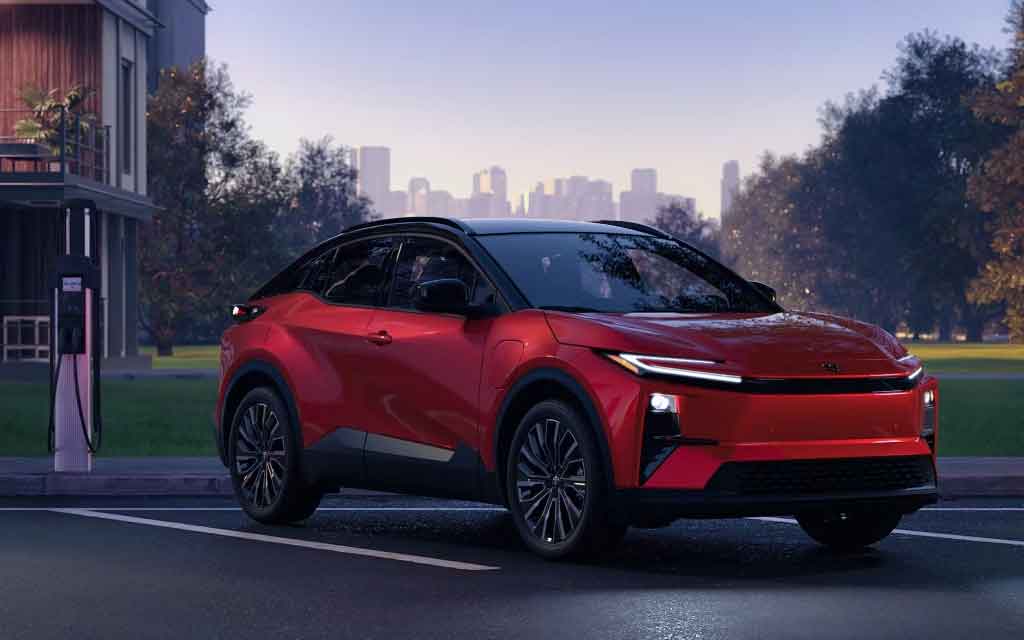
This week (February 18, 2026), Toyota dropped a major bombshell in the compact EV space: the all-new 2026 Toyota C-HR returns as a fully electric SUV, packed with standard dual-motor AWD, up to 287 miles of EPA-estimated range, blistering acceleration, and native NACS charging for seamless access to Tesla’s Supercharger network. Unveiled with pricing, full specs, and first-drive impressions rolling in, the C-HR positions Toyota as a serious contender against Tesla’s Model Y in the affordable, fun-to-drive compact crossover segment.
After a brief hiatus in the U.S. (the previous gas C-HR exited after 2022), this reborn model ditches the old hybrid roots for a pure BEV platform shared with Toyota’s growing EV family (bZ, bZ Woodland). It targets younger, style-conscious buyers who want sporty looks, quick performance, and practical range without breaking the bank. With dealership arrivals expected in March 2026, the C-HR could steal share from Tesla, Hyundai Ioniq 5, VW ID.4, and other compact EVs.
At VFutureMedia, we’re breaking down the full specs, pricing, features, and why this launch feels like Toyota’s aggressive play to challenge Tesla’s dominance in the U.S. EV market.
Key Specs at a Glance: 2026 Toyota C-HR EV
- Powertrain: Standard dual-motor All-Wheel Drive (AWD)
- Front motor: ~224 hp, 198 lb-ft
- Rear motor: ~117 hp, 125 lb-ft
- Combined: 338 net system horsepower, 323 lb-ft torque
- 0-60 mph: 4.9 seconds (manufacturer estimate)
- Battery: 74.7 kWh lithium-ion (liquid-cooled; ~67 kWh usable per some estimates)
- EPA-Estimated Range:
- SE trim (18-inch wheels): Up to 287 miles
- XSE trim (20-inch wheels): 273 miles
- Charging:
- Native NACS (North American Charging Standard) port – direct access to Tesla Superchargers and thousands of other DC fast chargers
- DC fast-charging: 10-80% in ~30 minutes (peak ~150 kW)
- Onboard AC charger: 11 kW
- Level 1/2 compatible; dual-voltage cord included
- Performance & Efficiency:
- Top speed: ~100 mph
- MPGe (combined): 112–117 (estimates)
- Dimensions:
- Length: 177.9 inches
- Width: 73.6 inches
- Height: 63.8 inches
- Wheelbase: 108.3 inches
- Seating: 5 passengers
- Pricing (MSRP, excluding destination/handling ~$1,450):
- SE: Starting at $37,000
- XSE: Starting at $39,000 (higher trims/options push toward $45,000+)
These figures position the C-HR as a value-packed alternative to Tesla’s Model Y (starting higher, with similar range but often more premium pricing).
Design & Driving Impressions: Sporty Coupe-Like Style Meets EV Hustle
The 2026 C-HR sports a bold, athletic coupe-SUV profile—wide stance, sharp lines, and a low, planted look that sets it apart from boxier rivals. It’s shorter and more compact than the bZ models, emphasizing agility over max interior space.
First drives (from outlets like Car and Driver, MotorTrend, and Electrek) praise:
- Quick, responsive acceleration—338 hp feels punchy for overtakes and fun on twisty roads.
- Well-damped suspension for a comfortable yet composed ride.
- Sharp handling with minimal body roll.
- Smooth power delivery and adjustable regenerative braking.
Critiques include:
- Not quite “sports car” dynamic—more “quick daily driver.”
- Rear seating/child seat access can feel tight.
- Cargo/loading practicalities lag behind larger EVs.
Overall, reviewers call it “surprisingly fun” and “a good time,” especially for a mainstream Toyota.
Charging & Infrastructure Edge: NACS Gives It Tesla-Level Convenience
A big win: Built-in NACS port means no adapters needed for Tesla Superchargers—thousands of high-speed stations nationwide. Combined with 150 kW peak DC charging (~30 min 10-80%), it’s competitive for road trips. Toyota includes three years of Active Remote Connect for charging management.
This move aligns Toyota with the industry shift to NACS, easing “range anxiety” for new EV buyers.
How It Stacks Up Against Tesla & Rivals
The C-HR targets the sweet spot: Affordable entry (~$37k), solid range (287 miles max), standard AWD, and quick performance—all in a stylish package. Against Tesla Model Y:
- Similar range/power in base configs.
- Lower starting price.
- NACS compatibility levels the playing field.
- But Tesla edges in software ecosystem, Supercharger reliability, and over-the-air updates.
Vs. Hyundai Ioniq 5, Kia EV6, or VW ID.4: The C-HR offers competitive range/price with Toyota’s renowned reliability reputation.
What This Means for American EV Buyers in 2026
Toyota’s C-HR launch this week signals the brand’s serious EV push—three compact EVs (C-HR, bZ, bZ Woodland) plus upcoming models. For U.S. drivers:
- Great option for urban commuters, small families, or style-focused buyers.
- Eligible for federal EV tax credits (check IRA rules).
- Balances fun, efficiency, and practicality without extremes.
At VFutureMedia, we’re watching how the C-HR’s sporty EV formula influences immersive media—think AI-generated virtual test drives, AR configurators, or content creation on the go with reliable range and fast charging.
The 2026 Toyota C-HR EV isn’t just a comeback—it’s Toyota throwing down the gauntlet to Tesla with accessible, enjoyable electric driving. Head to Toyota.com to build one or check dealer availability starting March.
Ethan Brooks covers electric vehicles and clean mobility for VFuture Media. He tracks EV market trends, charging infrastructure, new model launches, and the increasingly blurry line between software and transportation. From Tesla’s autonomous driving milestones to Europe’s surging BEV sales, Ethan follows the numbers and the narratives behind them. He writes for readers who want the full picture on where the EV industry is actually headed — not just where brands say it is.


Leave a Comment