
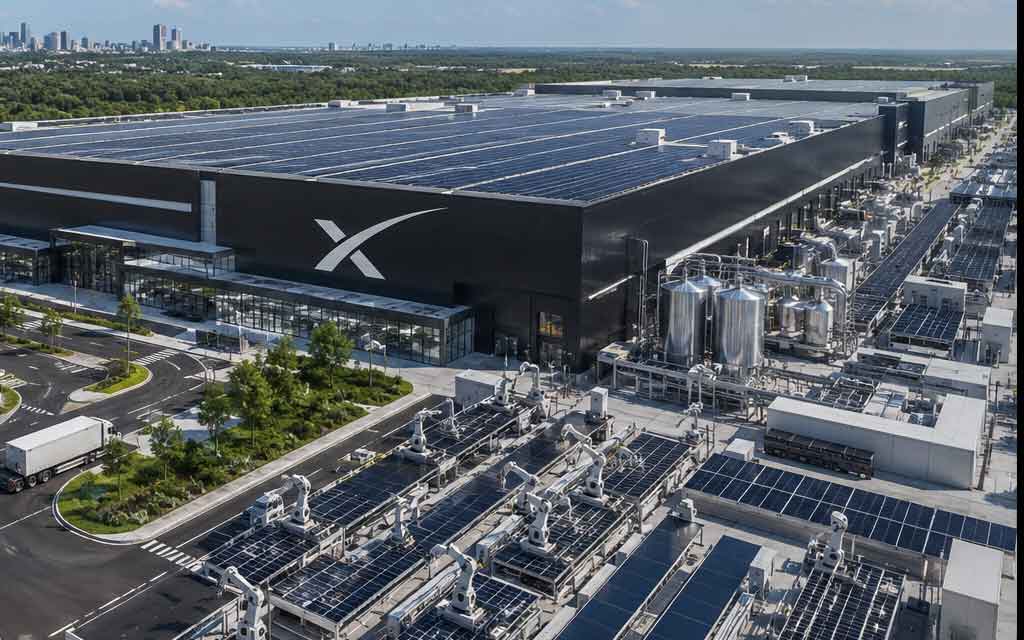
SpaceX to Build 10-GW Solar Factory for Orbital AI Data Centers in Texas
In a groundbreaking move that underscores Elon Musk’s vision for sustainable space infrastructure, SpaceX is reportedly planning to construct a 10-gigawatt (10 GW) solar manufacturing facility near Austin, Texas. This ambitious project in Bastrop County aims to produce advanced solar cells to support orbital AI data centers, Starlink expansion, and the growing energy demands of next-generation computing.
For tech enthusiasts, renewable energy advocates, and space industry watchers, this development signals a pivotal shift in how humanity harnesses solar power—not just on Earth, but in orbit.
Why SpaceX Needs a 10-GW Solar Factory
SpaceX’s existing Bastrop facility already supports Starlink production with over 550,000 square feet and around 1,000 employees. The new expansion, detailed in county permit filings, calls for a 1.1 million square foot, two-story building dedicated to high-volume solar cell manufacturing.
Each floor is projected to produce 5 GW of solar cells annually, totaling 10 GW—a scale that could surpass current U.S. solar cell output. This isn’t ordinary terrestrial solar; it’s optimized for the extreme conditions of space, where panels must withstand radiation, temperature swings, and micrometeorites while delivering reliable power for power-hungry AI systems.
Elon Musk has long discussed placing AI data centers in orbit to bypass Earth’s power grid constraints. Solar energy in space offers constant sunlight (no night cycles or weather), potentially making orbital computing more efficient and sustainable than ground-based alternatives. SpaceX’s FCC filings reference massive constellations of solar-powered satellites for AI workloads.
Key Details of the Bastrop Solar Project
- Location: Bastrop, Texas (just east of Austin)
- Size: Up to 1.1–1.6 million square feet
- Capacity: 10 GW annual solar cell production
- Timeline: Expansion plans underway in 2026; part of doubling the existing site
- Jobs: Potential for hundreds of new positions in engineering, manufacturing, and related fields
- Integration: Will support both Starlink and future orbital data center initiatives
This facility positions Central Texas as a hub for advanced manufacturing, joining Tesla’s Gigafactory and other major projects.
The Bigger Picture: AI, Space, and Energy Revolution
AI data centers on Earth are straining power grids worldwide. Training and running large models requires enormous electricity, often from fossil fuels or strained renewables. Musk’s approach—building solar-powered compute platforms in space—could solve this by tapping unlimited solar energy directly in orbit.
Benefits include:
- Reduced terrestrial land use and grid pressure
- Lower latency for certain applications via direct satellite links
- Scalability toward terawatt-level AI compute
- Sustainability by leveraging clean orbital solar power
SpaceX is already hiring for roles like Process Controls Engineer and Instrumentation & Controls Engineer for the “Solar Cell Factory (Starlink),” highlighting the technical intensity of the project.
Economic and Environmental Impact on Texas
The project could bring significant economic benefits to Bastrop and the greater Austin area:
- Construction and permanent jobs
- Increased local supplier ecosystem
- Tax revenue and infrastructure growth
- Positioning Texas as a leader in space tech and advanced solar manufacturing
Environmentally, space-based solar for data centers minimizes Earth-based resource consumption while advancing clean energy tech that could benefit terrestrial applications too.
What This Means for the Future
SpaceX’s 10-GW solar factory isn’t just another manufacturing plant—it’s a critical enabler for Musk’s multi-planetary ambitions and the next era of AI. As Starlink grows and orbital data centers move from concept to reality, this facility could become one of the most important industrial sites in the United States.
Related Reading:
- Elon Musk’s Vision for Orbital AI
- Starlink’s Role in Global Connectivity
- Texas Tech Boom: From Gigafactory to SpaceX
Stay tuned to VFutureMedia for more updates on space technology, renewable energy innovations, and the intersection of AI and infrastructure. This story is developing rapidly as permit processes and construction progress.




Leave a Comment