
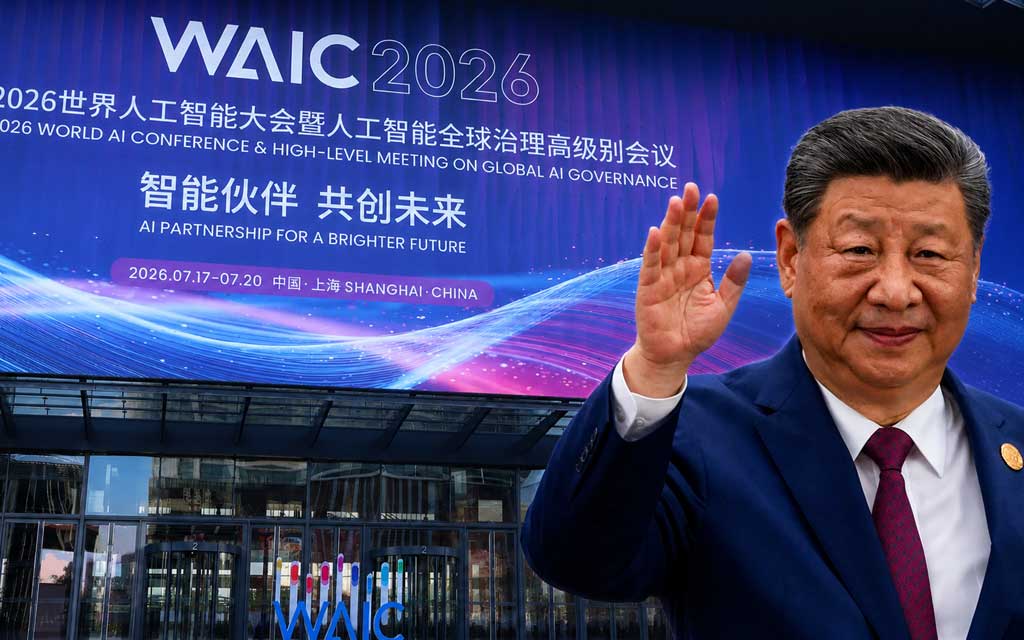
In a significant address at the 2026 World AI Conference and High-Level Meeting on Global AI Governance, Chinese President Xi Jinping issued a stark warning: unequal access to artificial intelligence risks creating “new historical injustices.” This statement underscores China’s push for inclusive AI development and international cooperation, particularly benefiting the Global South.
As AI reshapes economies, societies, and geopolitics, Xi’s remarks highlight a critical debate: Will advanced technologies widen the gap between developed and developing nations, or can they become tools for equitable progress? This in-depth analysis explores the context, implications, and strategic takeaways for businesses, policymakers, and technology leaders.
Context of Xi Jinping’s AI Warning
On July 17, 2026, Xi delivered four key observations on AI development and governance during the conference opening ceremony in China. His comments emphasized openness, security, inclusiveness, and global solidarity.
Specifically, Xi stressed the need for extensive international cooperation to help Global South countries build AI capacity. He warned against allowing AI and digital divides to deepen, stating that failing to bridge these gaps could “prevent creating new historical injustice in AI.”
This rhetoric aligns with China’s long-standing narrative of supporting developing nations against perceived dominance by wealthy countries and tech giants. It echoes earlier statements where Xi advocated that AI should not be “a game of the rich countries and the wealthy.”
Why Unequal AI Access Matters: The Risk of New Divides
AI’s transformative potential is undeniable, but so are its risks of exacerbating inequality:
- Economic Disparities: Wealthy nations and corporations control the majority of computing power, data, talent, and infrastructure needed for frontier AI models. Developing countries often lack reliable electricity, high-speed internet, and skilled workforces.
- Digital Divide Amplification: Without intervention, AI could mirror or worsen historical patterns of technological exclusion seen during the Industrial Revolution or the early internet era.
- Geopolitical Tensions: Export controls, chip restrictions, and proprietary technologies risk fragmenting the global AI ecosystem into competing blocs.
Xi’s warning frames these issues as potential “historical injustices,” drawing parallels to colonial-era resource and technology imbalances that shaped global power dynamics for centuries.
China’s Vision for Inclusive AI Governance
In his four observations, Xi outlined a clear framework:
- Openness and Win-Win Cooperation: Promote open-source initiatives, collaboration, and sharing to accelerate innovation.
- Risk Awareness and Controllability: Ensure AI remains under human control while opposing the overuse of national security pretexts that hinder cooperation.
- Inclusiveness and Civilizational Dialogue: AI should respect cultural diversity rather than impose uniformity.
- Solidarity and Global Governance: Strengthen the United Nations’ role and support capacity-building for developing nations.
China positions itself as a leader in this inclusive approach, contrasting with what it views as restrictive policies from some Western nations. This includes efforts like open-sourcing models (e.g., contributions from Chinese firms) and initiatives to share AI knowledge with the Global South.
Global Reactions and Competitive Dynamics
Xi’s speech arrives amid intense U.S.-China tech rivalry. The United States and allies have implemented export controls on advanced semiconductors, citing security concerns, which Beijing sees as barriers to equitable access.
Meanwhile, organizations like the United Nations have echoed similar concerns about AI deepening global inequalities. Developing countries risk being left behind in areas from agriculture and healthcare to education and governance if they cannot harness AI tools.
For businesses, this creates a complex landscape:
- Multinationals must navigate compliance with export rules while exploring opportunities in emerging markets.
- Tech firms in China are accelerating domestic innovation to reduce reliance on restricted technologies.
Implications for Businesses and Industries
1. Emerging Market Opportunities Companies that invest in AI capacity-building in Africa, Latin America, and parts of Asia could gain first-mover advantages. Localized solutions — such as AI for precision farming, healthcare diagnostics, or education — offer massive growth potential.
2. Supply Chain and Talent Strategies Diversifying AI talent pools and infrastructure partnerships will be crucial. Businesses ignoring the Global South may face higher costs and innovation blind spots.
3. Ethical and Regulatory Considerations Expect increasing pressure for international AI governance frameworks. Companies should proactively adopt responsible AI practices to align with both Western and Chinese-led initiatives.
4. Risk Mitigation Geopolitical fragmentation could lead to “splinternet” scenarios. Forward-thinking organizations are building resilient, multi-region AI strategies.
How VFuture Media Navigates the AI Landscape
At VFuture Media, we specialize in helping brands thrive amid technological disruption and geopolitical shifts. Our expertise includes:
- AI Strategy Development: Crafting inclusive, future-proof AI adoption plans.
- Global Digital Marketing: Reaching audiences across divided tech ecosystems.
- Thought Leadership Content: Positioning your brand on critical issues like equitable innovation.
- Emerging Market Expansion: Supporting entry and growth in high-potential regions.
Whether you’re a tech innovator, enterprise leader, or policymaker, we provide actionable insights and strategies tailored to the evolving AI era. Contact us at www.vfuturemedia.com to discuss how we can support your goals.
Broader Societal and Ethical Dimensions
Beyond economics, unequal AI access raises profound questions:
- Job Displacement vs. Creation: AI could automate routine work in developing economies, but also create new opportunities if paired with education and reskilling.
- Cultural Preservation: As Xi noted, AI must not erode civilizational diversity.
- Power Concentration: Dominance by a few nations or companies risks new forms of dependency.
Addressing these requires collaboration among governments, private sector, academia, and civil society.
The Road Ahead: Bridging the AI Divide
Xi Jinping’s warning serves as a timely call to action. While competition drives rapid progress, cooperation ensures broader benefits. Key steps forward include:
- Increased investment in AI education and infrastructure in developing countries.
- Open standards and shared research initiatives.
- Balanced governance frameworks that address security without stifling inclusion.
- Public-private partnerships focused on sustainable development goals.
The AI revolution is still in its early chapters. Decisions made today — on access, governance, and ethics — will determine whether it becomes a force for shared prosperity or new divisions.
Conclusion: Toward Equitable AI Progress
President Xi’s remarks at the 2026 World AI Conference reinforce China’s commitment to an inclusive vision of technological advancement. By highlighting the dangers of “new historical injustices,” he spotlights an issue that transcends national boundaries.
For businesses and leaders, the message is clear: Embrace innovation while championing accessibility. Those who contribute to bridging the AI divide will not only mitigate risks but also unlock unprecedented opportunities in a connected world.
What are your views on global AI equity? How should companies and governments respond to these challenges? Share your thoughts in the comments below.
Stay informed with VFuture Media for ongoing analysis of AI trends, geopolitical impacts, and strategic business insights. Subscribe today and join the conversation shaping our technological future.
This article was updated on July 17, 2026, based on President Xi Jinping’s latest address. Developments in global AI governance evolve rapidly — follow reliable sources for updates.



Leave a Comment