
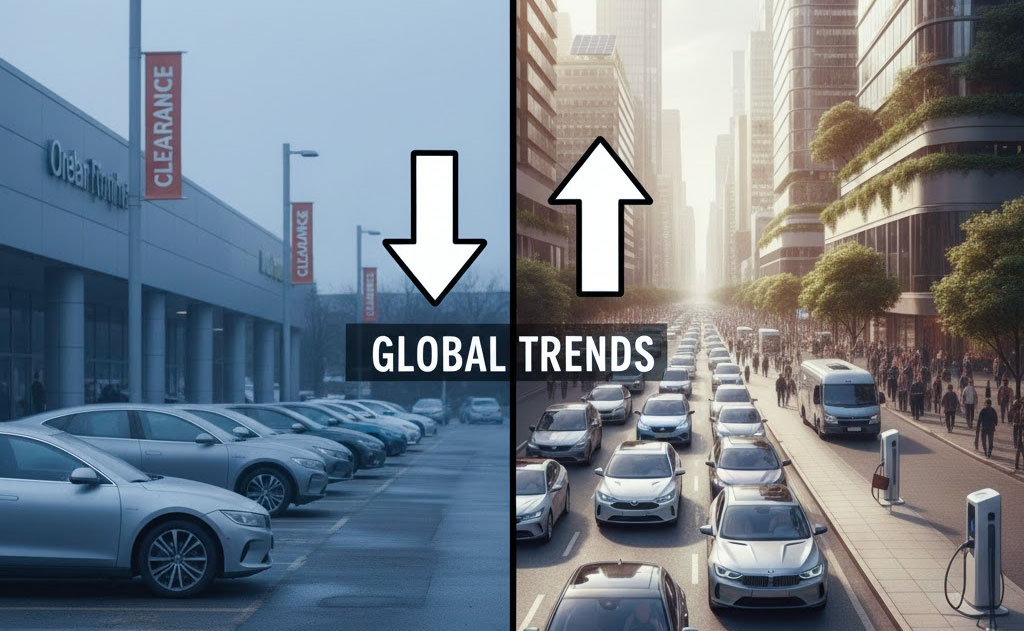
Picture this: It’s December 2025, and the once-red-hot electric vehicle market feels like it’s hit a speed bump on a frozen road. Dealership lots are filling up with unsold EVs, major automakers are writing off billions, and headlines scream about a “bubble bursting.” Just a year ago, everyone was predicting EVs would dominate American highways by now. So what happened? Is the entire EV dream overhyped and about to deflate—or are we just in the messy middle of a transformation that’s still very much alive?
Buckle up as we separate the panic from the progress and peer into the real future of electric cars.
The Global EV Party Is Still Raging—Just Not in America Right Now
While U.S. headlines focus on slowdowns, step outside America and the story looks wildly different. Over 20 million EVs rolled off lots worldwide in 2025, capturing more than 25% of all new car sales—a record that keeps climbing. In China, EVs sometimes outsell gas cars month after month. Emerging powerhouses like Vietnam (nearly 40% EV share), Thailand, and Brazil are leapfrogging straight to electric thanks to dirt-cheap models from Chinese brands.
Analysts at BloombergNEF and the International Energy Agency aren’t backing down: they still see global EV sales doubling again by 2030, potentially hitting 40% market share. The worldwide momentum feels unstoppable.
But back home? It’s a different vibe.
America’s EV Hangover: From Tax-Credit Rush to Reality Check
Remember the mad dash in summer 2025? Buyers flooded dealerships to snag the final $7,500 federal tax credits before they vanished in September. U.S. EV sales hit all-time highs that quarter—over 438,000 vehicles and a 10.5% market share.
Then the credits ended. Sales tanked. Hard.
October and November saw sharp drops for brands like Ford, Hyundai, and Kia. Early estimates suggest the U.S. might close 2025 with just 9-10% EV share—respectable, but far from the explosive growth promised. Add in the Trump administration’s moves—freezing charging station funds, easing emissions rules, ending incentives—and suddenly pure EVs feel less urgent to many buyers.
Legacy giants are hitting the brakes:
- Ford just announced $19.5 billion in charges while canceling next-gen big electric trucks and shifting the F-150 Lightning toward hybrid-style extended-range tech.
- Battery factories built for boom times now face overcapacity, with some joint ventures idling production.
Dealers are sitting on growing inventories. Prices are softening. Hybrids and plug-in hybrids are flying off lots instead.
It sure feels bubbly when the air seems to be leaking out fast.
Bubble or Healthy Correction? The Case for Both Sides
The “bubble” camp has solid ammo:
- Massive overinvestment in batteries—global production capacity could triple actual demand by 2030.
- Fierce price wars eroding profits (many companies still lose money on every EV sold).
- Rising consumer skepticism: range anxiety, charging hassles, and higher upfront costs without subsidies.
In China—the world’s biggest EV market—even they’re bracing for a shakeout as subsidies fade and overcapacity bites.
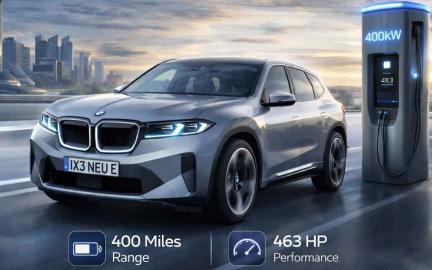
Yet calling it a full-blown bubble might be premature. Battery prices have plunged dramatically, making future EVs genuinely cheaper to build. Tech keeps leaping forward: 800-volt systems, 400+ mile ranges, and 10-minute fast charging are becoming standard in upcoming models.
Most importantly, hybrids are acting as the perfect bridge. Today’s hybrid buyer is tomorrow’s full-EV customer once prices hit parity and infrastructure catches up.
The Road Ahead: 2026 Could Be the Real Starting Line
Here’s the exciting part: 2026 is shaping up as the year affordable, no-compromise EVs finally arrive in force.
We’re talking sub-$35,000 models from Rivian (R2), Lucid, refreshed Nissan Leaf, Honda’s new 0-series, and more—priced to battle directly with gas cars. Faster charging, longer ranges, and better software will quiet the remaining doubters.
Analysts still expect U.S. EV share to rebound toward 11-12% in 2026 as these vehicles hit showrooms. Globally? The train has already left the station.
The hype of 2021-2023 may have created a temporary bubble in expectations and valuations, but the underlying shift to electrification isn’t going anywhere. It’s just maturing—getting cheaper, better, and more practical.
Final Verdict: Not a Bubble—Just Growing Pains
The EV revolution isn’t collapsing. It’s evolving.
Short-term pain in the U.S.? Absolutely. Long-term dominance worldwide? Still very much on track.
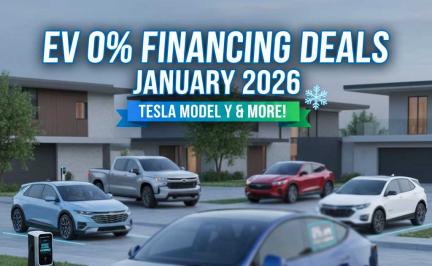
If you’re shopping, 2026 might be the sweet spot: killer deals on leftover 2025s today, or wait a few months for the next wave of game-changing affordable electrics.
The future is still electric. It’s just arriving on a slightly adjusted timeline.
What do you think—is this a bubble bursting or just the calm before the real storm? Drop your take in the comments.
Keywords: EV bubble 2026, electric vehicle future, is EV market crashing, global EV sales 2025, US EV slowdown, affordable EVs 2026, electric car vs hybrid
I’m Ethan, and I write about the tech that’s actually going to change how we live — not the stuff that just sounds impressive in a press release. I cover AI, EVs, robotics, and future tech for VFuture Media. I was on the ground at CES 2026 in Las Vegas, walking the show floor so I could give you a real read on what matters and what’s just noise. Follow me on X for daily takes.
If you found this useful, the best thing you can do is share it with someone who’d actually appreciate it. And if you want more like it, we’re here every week.
Published on vfuturemedia | December 18, 2025


Leave a Comment