
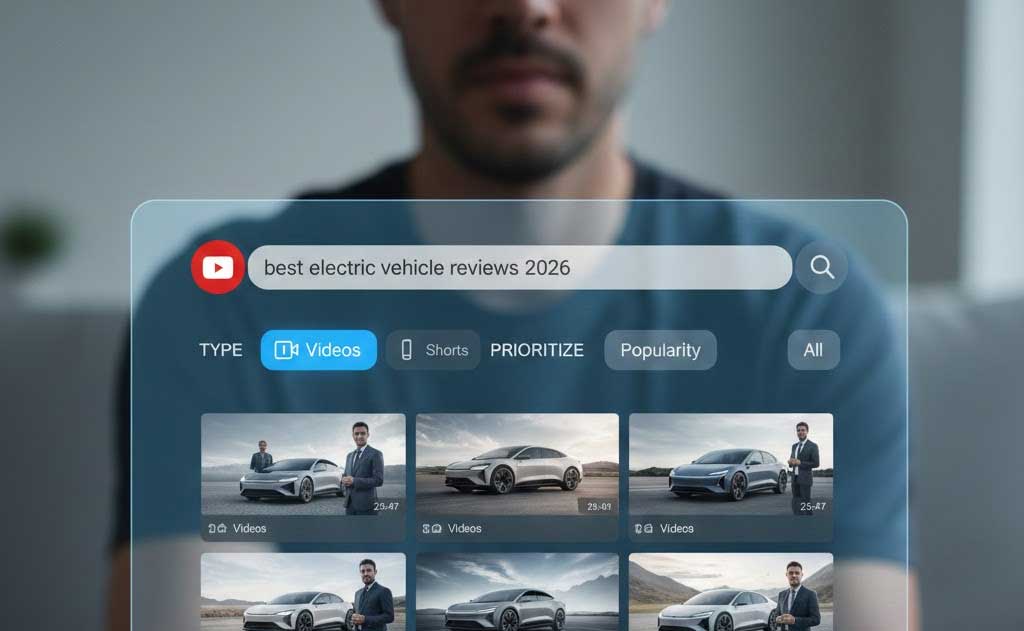
Tired of scrolling through endless quick clips when you’re hunting for an in-depth tutorial or documentary? You’re not alone. As of early 2026, YouTube is rolling out a new option that allows users to hide Shorts from search results, marking a significant shift in how we navigate the world’s largest video platform.
This update comes at a pivotal time. With Shorts exploding in popularity—often dominating search pages thanks to high engagement metrics—and the rise of AI-generated content flooding the format, many users have voiced frustration over cluttered results. According to reports from late 2025, nearly half of recommended Shorts on new accounts were AI-created, turning searches into a minefield of low-effort videos.
In this comprehensive guide, we’ll dive deep into this exciting new feature, its rollout, benefits, potential drawbacks, and what it means for the future of video consumption. As a tech journalist covering the intersection of AI, platforms, and user experience at VFutureMedia.com, I’ve been tracking YouTube’s evolution closely—and this could be one of the most user-friendly changes in years.
What Exactly Is the New “Hide Shorts” Feature?
YouTube announced updates to its advanced search filters in January 2026, introducing a dedicated Shorts filter under the “Type” menu. Previously, searches mixed long-form videos (traditional VODs) with Shorts indiscriminately, prioritizing high-view quick hits.
Now, users can:
- Select “Videos” to show only long-form content (excluding Shorts entirely).
- Choose “Shorts” for short-form results only.
- Or leave it default for a mixed view.
This isn’t a global disable button for Shorts across the app—those still appear in feeds and recommendations—but it directly addresses the pain point of search clutter.
The change was highlighted in YouTube’s official support thread and quickly picked up by outlets like PCMag, The Verge, and Engadget. As one YouTube spokesperson noted in the announcement: “This gives viewers more control over whether they see Shorts or VODs in their search results, so you can find exactly what you’re looking for, regardless of format.”
Other tweaks include renaming “Sort By” to “Prioritize” and “View Count” to “Popularity” (now factoring in watch time alongside views for better relevance). YouTube also removed underused filters like “Last Hour” upload date and “Sort by Rating” to streamline the experience.
Why YouTube Is Rolling Out This Feature in 2026
YouTube Shorts launched in 2020 as a TikTok rival, and by 2025, they were a powerhouse—generating massive views and ad revenue. But this success created backlash:
- Search Dominance: Shorts often outrank long-form videos due to quick, high-engagement metrics.
- AI-Generated Flood: Tools like Google’s Veo 3 enabled a surge in low-quality, AI-slop Shorts, with studies showing over 20% of Shorts being synthetic by late 2025.
- User Complaints: Forums like Reddit and YouTube’s community have been filled with requests for better filters for years. Extensions like “Hide YouTube Shorts” and uBlock Origin rules were popular workarounds.
This update responds directly to feedback, aligning with broader platform trends toward user empowerment amid AI proliferation.
Benefits of Hiding Shorts from Search Results
This feature isn’t just a minor tweak—it’s a boon for serious viewers, creators, and even YouTube’s ecosystem.
1. Cleaner, More Relevant Searches
- No more wading through 15-second clips for a 20-minute explainer.
- Ideal for educational content, reviews, or tech deep-dives—think searching “quantum computing basics” without AI-generated hype reels dominating.
2. Combating AI Slop and Low-Quality Content
- Shorts have become a haven for repetitive, generated videos. Filtering them out prioritizes human-created, high-effort long-form.
- As noted by The Indian Express: “This is really useful since viewers will now be able to hide numerous AI-generated ten-second clips.”
3. Better Experience for Long-Form Creators
- Educational channels, podcasters, and documentary makers get a visibility boost.
- Encourages deeper engagement, potentially increasing watch time—a key metric for YouTube’s algorithm.
4. Increased User Control and Satisfaction
- Personalization: Tailor searches to your mood—quick entertainment or in-depth learning.
- Reduces frustration, leading to longer session times and higher retention.
In my view, this could subtly shift platform dynamics, rewarding quality over quantity and helping YouTube retain users frustrated with short-form overload.
Potential Challenges and Criticisms
No update is perfect. Here’s a balanced look:
- Phased Rollout: As of January 2026, the filter is appearing gradually—not everyone has it yet.
- Not a Full Disable: Shorts remain in home feeds, subscriptions, and recommendations. For total removal, third-party extensions are still needed.
- Impact on Creators: Short-form specialists might see reduced discoverability via search.
- Removed Filters: Dropping “Last Hour” and rating sorts has drawn complaints from users wanting hyper-fresh or highly-rated content.
YouTube justified removals by saying they “were not working as expected and had contributed to user complaints,” but some see it as limiting options.
Expert Quote: Tech analyst Anna Washenko from Engadget called it “a welcome update for any of us who have been on the hunt for a long-form explainer only to wade through dozens of ten-second clips.”
How to Use the New Hide Shorts Filter: Step-by-Step
Ready to try it? Here’s how:
- Open YouTube app or website and perform a search.
- Tap/click the Filter button (usually at the top).
- Under “Type”, select “Videos” to exclude Shorts (or “Shorts” to show only them).
- Combine with other filters like upload date or duration for precision.
Pro Tip: On mobile, filters persist per session; on desktop, they’re more flexible.
Real-World Examples: Before and After
Imagine searching “best electric vehicle reviews 2026”:
- Before: Top results flooded with 60-second hype clips and AI-narrated summaries.
- After: Prioritizes in-depth comparisons from channels like Marques Brownlee or full test drives.
Users on Reddit’s r/technology subreddit celebrated: “Finally! No more Shorts burying actual content.”
For tech enthusiasts, this means easier access to forward-looking pieces—like our recent article on CES 2026 Robotics Revolution: Humanoid Robots & Home Assistants.
Expert Insights and Quotes
Industry voices are optimistic:
- From BetaNews: “For anyone who is more interested in seeking out long-form videos, this is extremely significant as it provides a way to avoid YouTube Shorts by opting to exclude them.”
- Dexerto highlighted it as “the long-requested update” following years of mixed-format complaints.
As an SEO specialist, I predict this will boost time-on-page for long-form content, indirectly improving rankings for quality creators.
Future Predictions: Where Does YouTube Go From Here?
Looking ahead to late 2026 and beyond:
- Deeper AI Integration: Expect smarter filters detecting low-quality AI content.
- Personalized Defaults: Algorithm-learned preferences to auto-hide Shorts for certain users.
- Creator Tools: New analytics showing search visibility with/without Shorts.
- Broader Controls: Global “reduce Shorts” options, building on existing “Not Interested” feedback.
This aligns with trends in AI and platforms—user-centric design amid content overload. Paired with advancements in physical AI and robotics (check our coverage on Tech Layoffs Go Quiet — But AI & EV Cuts Could Surge in 2026), You://vfuturemedia.com expects video platforms to evolve toward more intentional consumption.
FAQ: YouTube Hide Shorts from Search Results
When will the hide Shorts filter be available to everyone? It’s rolling out gradually in January 2026—check your app updates if it’s not there yet.
Does this remove Shorts from my recommendations or home feed? No, only from search results. Use “Not Interested” or extensions for broader hiding.
Can creators opt out of the Shorts label? No—Shorts are defined by format (vertical, under 3 minutes post-2024 updates).
Will this affect YouTube’s revenue from Shorts? Possibly short-term, but improved user satisfaction could drive overall engagement.
Are there similar, similar features on other platforms? TikTok has search refinements, but nothing as direct; Instagram Reels mixes similarly.
How does this impact AI-generated content? It reduces visibility for AI-heavy Shorts in searches, pushing platforms toward quality safeguards.
This 2026 update from YouTube is a win for thoughtful viewing in an era of endless scrolls. Whether you’re diving into AI breakthroughs, EV innovations, or robotics—like our pieces on emerging tech—cleaner searches mean better discoveries.
What do you think—game-changer or too little too late? Drop your thoughts in the comments below, share this article with fellow YouTube users, and subscribe to VFutureMedia.com for the latest in future tech. For more on platform shifts, read our related posts on AI tools and green innovation.
If you found this useful, the best thing you can do is share it with someone who’d actually appreciate it. And if you want more like it, we’re here every week.


Leave a Comment