
By Ethan Brooks U.S.-Based Technology and Automotive Journalist Published: April 9, 2026 For VFutureMedia.com
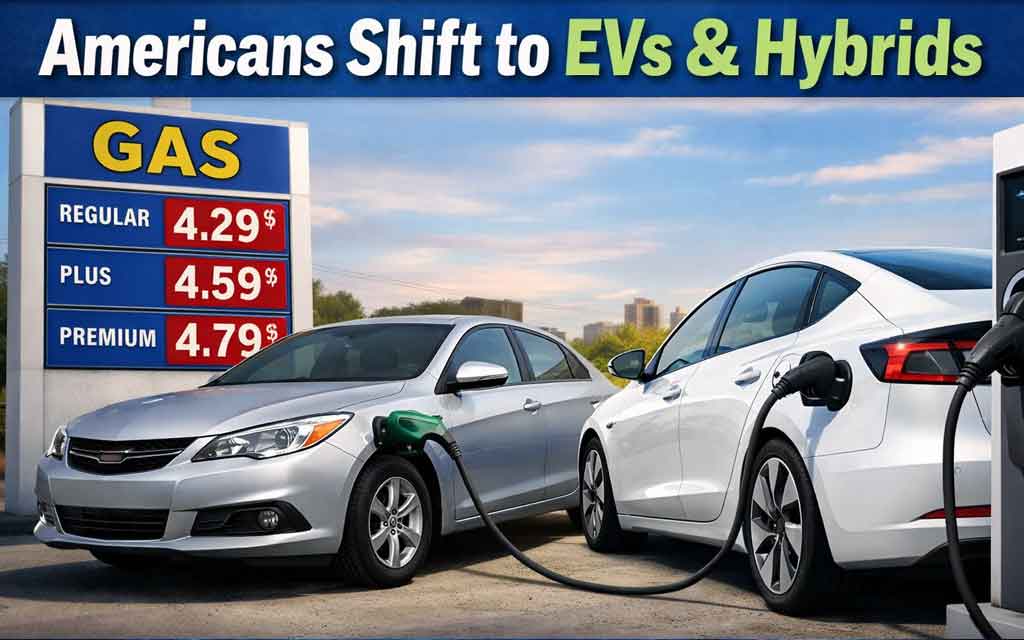
With the national average gas price climbing above $4 per gallon — and reaching as high as $4.25 in the week of April 6 — many U.S. drivers are feeling the pain at the pump and rethinking their next vehicle purchase.
Recent data shows a clear uptick in interest in electric vehicles (EVs) and hybrids, with used EV sales surging nearly 30% in Q1 2026 and online searches for EVs rising sharply. However, experts caution that sustained high fuel prices may be needed before this interest fully translates into a broad rebound in new EV sales, which have faced headwinds this year.
Gas Prices Climb Amid Global Tensions
The national average for regular gasoline hit $4.12–$4.25 per gallon in early April 2026, up significantly from around $3.40–$3.60 a month earlier. Some regions, like parts of California, have seen prices approach or exceed $5–$6 per gallon. This surge has been driven largely by geopolitical developments, including ongoing conflicts affecting oil markets.
While $4 gas has historically prompted shifts toward more fuel-efficient vehicles, analysts note that structural barriers — such as upfront costs, charging infrastructure concerns, and the recent loss of the federal $7,500 EV tax credit — continue to slow widespread adoption.
Used EV Sales Surge as Consumers Seek Savings
The used EV market is responding strongly to higher fuel costs. Reports indicate:
- Used electric vehicle sales jumped nearly 30% in Q1 2026 compared to the same period last year, with over 100,000 units sold in some quarterly tallies — a record for the segment.
- Cox Automotive data shows a more conservative 12–17% increase, but momentum is building, especially in March.
- Average used EV prices sit around $28,000, making them competitive with or cheaper than many used gas-powered vehicles while offering dramatically lower operating costs.
Shoppers are increasingly browsing platforms like CarGurus and CarMax, where searches for “electric vehicle” have spiked. Ten specific used EV models are seeing notable sales gains as drivers look for immediate ways to cut fuel expenses.
Hybrids are also gaining traction as a practical middle ground for many buyers.
Pew Research: Hybrids Outpace Pure EVs in Buyer Interest
A recent Pew Research Center survey (conducted March 16–22, 2026) found:
- 44% of Americans say they would seriously consider purchasing a hybrid as their next vehicle.
- Only 32% would seriously consider a pure EV — a figure similar to last year despite rising gas prices.
- More than half (53%) say they are unlikely to consider an EV.
This preference for hybrids reflects their lower upfront cost, lack of range anxiety, and ability to deliver real-world fuel savings without requiring major lifestyle changes. Many consumers view hybrids as a safer “bridge” technology while EV infrastructure and pricing mature.
New EV Sales Rebound Modestly, But Challenges Remain
New EV sales in the first three months of 2026 rebounded to roughly 215,000 units, helped by strong performance from models like the Toyota bZ4X and Tesla Model Y. However, year-over-year comparisons still show softness in some segments following the expiration of broad federal incentives.
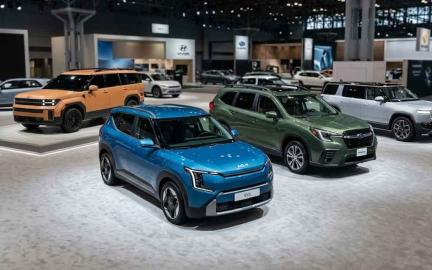
At the recently concluded New York International Auto Show 2026, automakers highlighted more accessible options, including the Kia EV3 compact crossover (expected mid-$30,000s range) and Subaru’s three-row Getaway EV SUV, signaling a continued push toward affordability.
Tech Improvements Ease EV Ownership
Google is helping reduce range anxiety with expanded EV route planning now available on Android Auto for over 350 models across 15+ brands. The AI-powered feature provides battery predictions, recommends optimal charging stops, estimates arrival battery levels, and factors in traffic, elevation, and weather — all directly in the vehicle’s infotainment system.
On the fleet side, DoorDash continues expanding its use of electric delivery vehicles and has partnered with Rivian spinoff Also to develop autonomous small EVs and e-bikes for last-mile deliveries, potentially lowering costs and emissions for gig economy workers and businesses.
Will High Gas Prices Finally Drive a Shift?
Experts are divided but largely agree on one point: short-term spikes may boost research and used-market activity, but a sustained period of elevated prices (6+ months or more) will be needed to meaningfully change new-vehicle buying behavior. Structural issues like home charging access, electricity rates, and total cost of ownership still influence decisions for many households.
For now, the data suggests:
- Used EVs and hybrids are the biggest near-term winners.
- Buyers with home charging, high annual mileage, and access to state incentives may find strong value in new EVs.
- Others may prefer hybrids for flexibility and lower initial cost.
Practical Advice for Shoppers in 2026
If you’re considering a switch:
- Calculate your total cost of ownership — factor in fuel/electricity savings, maintenance, and insurance.
- Test drive both EVs and hybrids to understand real-world differences.
- Check local charging availability and any remaining state or utility incentives.
- Consider certified pre-owned EVs for immediate savings.
At VFutureMedia.com, we’ll keep tracking how fuel prices, policy, and technology shape the mobility transition. Rising gas prices are shining a spotlight on alternatives — the question is whether this momentum will last.
What’s your take? Are you considering an EV, hybrid, or sticking with gas amid current prices? Share your experience in the comments below.
Ethan Brooks is an independent U.S.-based journalist specializing in automotive technology, sustainable mobility, and consumer trends. This article draws on publicly reported data as of April 9, 2026, and is for informational purposes only. It does not constitute financial or purchasing advice.



Leave a Comment