

The electric vehicle market continues to evolve rapidly in mid-2026. While global adoption remains strong, regional differences are becoming more pronounced — especially between China’s dominance, Europe’s steady growth, and the United States’ post-incentive challenges.
Here’s a clear roundup of the most important EV developments as of June 13, 2026.
Global EV Market Snapshot (IEA Global EV Outlook 2026)
According to the latest International Energy Agency data:
- Global electric car sales exceeded 20 million in 2025 — meaning one in four new cars sold worldwide was electric.
- China remains the undisputed leader, accounting for roughly 60% of global EV sales with over 13 million units in 2025.
- Europe saw solid growth, with the EU reaching nearly 27% EV market share.
- Battery prices continued to fall (down ~8% year-over-year), helping improve affordability in many markets.
However, growth is slowing in some regions as government incentives are reduced or phased out.
United States: A Challenging Environment
The U.S. EV market has faced significant headwinds:
- Federal tax credits were largely eliminated or phased out in 2025.
- EV sales dropped sharply in Q4 2025 and remained soft into early 2026 (down ~27% year-over-year in Q1 according to some reports).
- Overall U.S. EV penetration hovers around 10%, significantly behind China and Europe.
Despite the slowdown, legacy automakers and startups are pushing forward with new models and improved technology to regain momentum.
Key Company Updates
Rivian
- The company is preparing for the launch of its more affordable R2 SUV.
- Production is expected to begin in late 2026, with initial deliveries targeted around mid-to-late 2026.
- Rivian revealed full R2 lineup details and pricing, positioning it as a direct competitor to the Tesla Model Y.
- The company continues to face profitability challenges but is focused on scaling the more affordable platform.
Lucid Motors
- Lucid officially launched the Gravity three-row SUV and is expanding its lineup with more affordable vehicles.
- New midsize models (Cosmos and Earth) are expected later in 2026, with pricing targeted under $50,000.
- The company is also working on robotaxi concepts and continues to emphasize its industry-leading efficiency and range.
Tesla
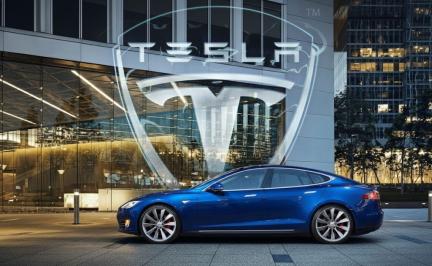
- The refreshed Model Y and new variants continue to dominate U.S. EV sales.
- Tesla remains the most profitable and highest-volume EV maker in the U.S., maintaining a strong lead over competitors.
- Ongoing focus on software updates, Full Self-Driving improvements, and energy products.
Upcoming EVs to Watch in 2026–2027
Several notable models are approaching launch:
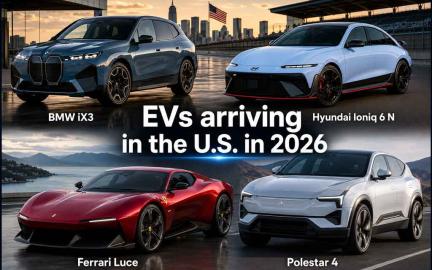
- BMW iX3 — Expected summer 2026 with strong performance and up to ~400 miles of range.
- Kia EV3 and expanded Hyundai/Kia electric lineup.
- Nissan Leaf (all-new generation as a subcompact SUV).
- More affordable options from legacy automakers as they respond to market pressure.
Battery & Technology Developments
- Continued progress on solid-state and next-generation battery chemistries (including sodium-ion and lithium-air research).
- Major investments in charging infrastructure, particularly in California and through new platforms like GM Energy Pass.
- Focus on improving real-world range, charging speeds, and cost reduction across the industry.
Outlook for the Rest of 2026
The second half of 2026 will be critical for several players:
- Rivian and Lucid must successfully launch more affordable vehicles to achieve scale.
- Tesla will likely continue dominating through software and ecosystem advantages.
- Chinese EV makers continue expanding globally, though U.S. market access remains heavily restricted by tariffs.
The overall trend remains clear: Electric vehicles are becoming mainstream globally, even as the U.S. market navigates a post-subsidy transition period.
Key Takeaways – June 2026 EV Roundup
Global
- EV Market Share: ~25%
- Trend: Strong growth
- Notable Development: More than 20 million EV sales recorded in 2025
China
- EV Market Share: ~55%
- Trend: Dominant
- Notable Development: BYD and other domestic brands continue to lead the market
Europe
- EV Market Share: ~27% (EU)
- Trend: Steady growth
- Notable Development: Strong government policy support and incentives
United States
- EV Market Share: ~10%
- Trend: Soft / Declining
- Notable Development: Market slowdown following tax credit adjustments and policy changes
The EV transition is far from over — it’s simply entering a more competitive and mature phase.
We’ll continue bringing you the latest updates on electric vehicles, battery technology, and the companies shaping the future of mobility.

Leave a Comment