
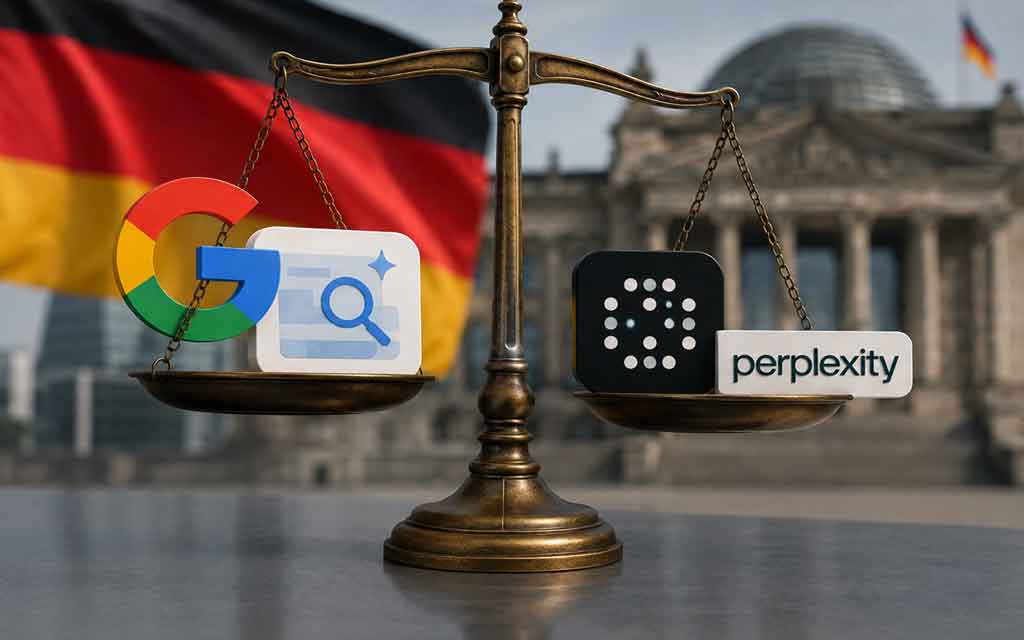
Germany’s ZAK regulator rules Google’s AI Overviews and Perplexity AI generate their own content under media laws, increasing liability for inaccuracies. Analysis of implications for AI search, publishers, and Europe-wide regulation.
Germany has taken a significant step in regulating generative AI tools. On July 14, 2026, the Commission for Licensing and Supervision (ZAK), representing the country’s 14 state media authorities, declared that Google’s AI Overviews and Perplexity AI fall under national media law. This decision treats AI-generated summaries and chatbot responses as content created by the platforms themselves, rather than neutral displays of third-party material.
Background and Key Ruling Details
The move follows a German court decision holding Google liable for inaccurate information produced by its AI Overviews feature. ZAK Chairman Thorsten Schmiege stated: “AI search engines and chatbots are content providers, and we will consistently apply German media law to them from now on.”
Under German media regulations, this classification imposes obligations related to:
- Accuracy and fact-checking of generated content.
- Transparency about sources and AI involvement.
- Media plurality and non-discrimination.
- Liability for harmful or misleading outputs.
Perplexity AI, a popular AI-powered search engine, is included alongside Google, signaling broader scrutiny of conversational AI tools.
Why This Matters: Shift from “Link Provider” to “Publisher”
Traditionally, search engines enjoyed protections as intermediaries. This ruling flips that for AI features that synthesize and summarize information. Platforms can no longer claim they are merely surfacing external content — the generated output is theirs.
This builds on ongoing European efforts (e.g., EU AI Act) to hold big tech accountable, especially amid concerns over misinformation, copyright, and competition with traditional media.
Implications for Stakeholders
For Google and Perplexity:
- Potential need for enhanced safeguards, disclaimers, or human oversight in outputs.
- Increased legal risks and compliance costs in Germany/Europe.
- Possible adjustments to how AI Overviews cite sources or flag uncertainty.
For Publishers and News Outlets:
- Mixed impact: Better visibility if properly attributed, but concerns over traffic diversion and uncompensated use of content for training/summarization.
- Stronger leverage in negotiations for licensing deals.
For Users and Consumers:
- Potentially more reliable (or at least better-labeled) AI responses.
- Greater awareness of AI limitations in critical topics like news and health.
Broader Tech Industry:
- Sets a precedent that could influence other EU countries and global regulators. It highlights the tension between rapid AI innovation and accountability.
Context in the Global AI Regulation Landscape
This fits into a pattern of increasing oversight:
- Europe leads with risk-based approaches.
- Similar debates in the US (Section 230 discussions) and elsewhere.
- Ongoing cases involving copyright, defamation, and competition.
Germany’s proactive stance underscores how national laws can directly shape AI product behavior in key markets.
This development is a reminder that as AI search tools become primary information sources, regulators are treating them like traditional media entities. Expect more scrutiny, potential fines for non-compliance, and innovation in responsible AI design.
For the latest updates, monitor official ZAK statements and related court proceedings. This ruling could accelerate industry-wide changes in how generative AI presents information.




Leave a Comment