
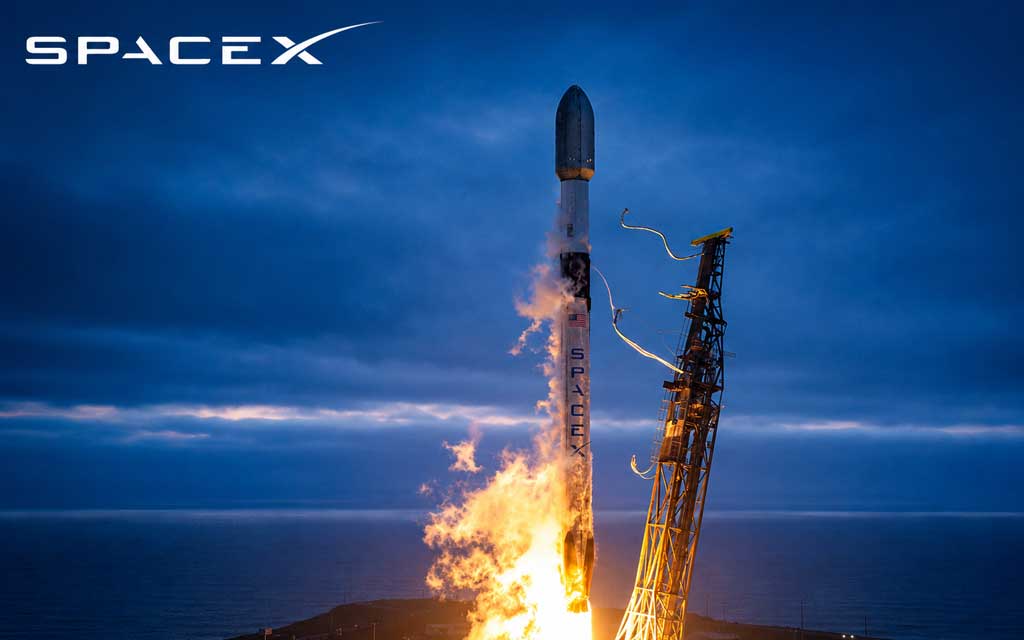
In a stunning display of operational cadence, SpaceX successfully launched a Falcon 9 rocket from California on July 17, 2026, while preparing for a Starship flight from Texas just over two hours later. This back-to-back launch cadence underscores SpaceX’s growing dominance in the commercial space industry and marks another milestone in the company’s ambitious reusability and rapid-launch goals.
For space enthusiasts, investors, and businesses relying on satellite services, today’s events highlight the accelerating pace of space innovation. In this detailed breakdown, we explore the launches, their significance, technical achievements, and what they mean for the future of space exploration and commercialization.
Details of the Dual Launch Events
Falcon 9 from Vandenberg Space Force Base (California): The Falcon 9 lifted off carrying a payload likely focused on rideshare missions, Starlink deployment, or national security objectives (specifics depend on the exact manifest). Falcon 9’s proven track record includes dozens of successful landings and re-flights, making it the workhorse of modern orbital access.
Starship from Starbase, Texas (Boca Chica): Hot on its heels, the next-generation Starship vehicle was scheduled for liftoff roughly two hours later. This flight is part of SpaceX’s iterative testing program, potentially advancing toward orbital attempts, heat shield validation, or booster catch operations. Starship represents the future of heavy-lift capabilities, designed for Moon, Mars, and point-to-point Earth transport.
The compressed timeline showcases SpaceX’s ability to manage multiple launch sites, teams, and vehicle systems simultaneously — a feat few organizations worldwide can match.
Why This Matters: Rapid Reusability and Launch Cadence
SpaceX’s dual-launch day is more than a spectacle. It demonstrates key strategic advantages:
- Reusability Revolution: Falcon 9 boosters routinely return for refurbishment and re-flight, slashing costs. Starship aims to take this to the next level with full-stack reusability.
- Operational Tempo: Achieving multiple launches from different coasts in a single window signals maturity in logistics, regulatory coordination, and ground infrastructure.
- Cost Reduction: Lower launch prices enable more frequent satellite deployments, scientific missions, and commercial ventures that were previously uneconomical.
- National and Global Impact: Reliable access to space supports everything from broadband (Starlink) to Earth observation, defense, and deep-space exploration.
Elon Musk and the SpaceX team have long emphasized that frequent, reliable flights are essential for making humanity multi-planetary. Today’s events bring that vision closer to reality.
Technical Highlights and Challenges Ahead
Falcon 9 Success Factors:
- Merlin engines provide reliable thrust.
- Autonomous drone ship or land landings for booster recovery.
- Proven payload fairing reuse and deployment systems.
Starship Development Progress:
- Stainless steel construction for durability and rapid manufacturing.
- Raptor engines delivering unprecedented thrust.
- In-flight refueling capabilities critical for deep-space missions.
Remaining challenges include perfecting heat shield performance during re-entry, achieving consistent booster catches with the “Mechazilla” tower arms, and scaling production for high flight rates.
Regulatory coordination with the FAA, environmental reviews, and community relations at Starbase continue to be important factors in maintaining this pace.
Broader Industry and Economic Implications
For Satellite Operators and Telecom:
- Increased launch availability means faster constellation builds, lower insurance costs, and expanded coverage (especially for Starlink in remote and underserved regions).
For Defense and Government:
- Responsive space capabilities enhance national security through rapid satellite replenishment and technology demonstration.
For Investors and the Space Economy:
- SpaceX’s valuation and momentum continue to attract capital. Today’s dual activity reinforces investor confidence in reusable architecture and high-tempo operations.
Global Competition: While SpaceX leads, competitors like Blue Origin, Rocket Lab, China’s state programs, and Europe’s ArianeNext are advancing. Rapid U.S. innovation raises the bar for everyone.
What’s Next for SpaceX?
- Continued Starship test flights aiming for orbital reliability.
- Crewed missions, Artemis program contributions, and eventual Mars ambitions.
- Expansion of Starlink to global markets and new applications (direct-to-cell, aviation, maritime).
The near-term goal remains increasing launch frequency to dozens per month across sites, further driving down costs.
How VFuture Media Views the Space Revolution
At VFuture Media, we track transformative technologies like space innovation because they redefine industries, connectivity, and human potential. Our services help brands:
- Leverage satellite data and connectivity for business intelligence.
- Develop forward-looking digital strategies in aerospace and tech.
- Create compelling content that captures the excitement of space achievements.
- Navigate emerging opportunities in the new space economy.
Whether you’re exploring satellite communications, investing in space tech, or building the next generation of applications, our team delivers strategic insights and execution excellence. Visit www.vfuturemedia.com today to start a conversation.
Inspiring the Next Generation
Events like today’s dual launches captivate public imagination and encourage careers in STEM. SpaceX’s achievements demonstrate that bold engineering, iteration, and long-term vision can overcome seemingly impossible challenges.
As Falcon 9 and Starship continue to push boundaries, they remind us that space is becoming more accessible — not just for governments and billionaires, but for broader commercial and scientific progress.
Conclusion: A New Era of Spaceflight Tempo
SpaceX’s July 17, 2026 launches from California and Texas exemplify the company’s relentless drive toward reliable, frequent, and affordable space access. The successful Falcon 9 mission paired with Starship preparations signals a future where space operations resemble airline schedules more than rare rocket launches.
This is an exciting time for the space industry. Stay tuned as more details emerge from today’s flights and future test campaigns.
What do you think about SpaceX’s rapid launch capabilities? How will increased space access impact your industry or daily life? Share your thoughts in the comments.
Follow the VFuture Media blog for ongoing coverage of space exploration, emerging technologies, AI, and their business implications. Subscribe for updates and expert analysis.
This post was updated on July 17, 2026. Spaceflight events develop quickly — verify with official SpaceX and FAA sources for the latest mission outcomes.


Leave a Comment