
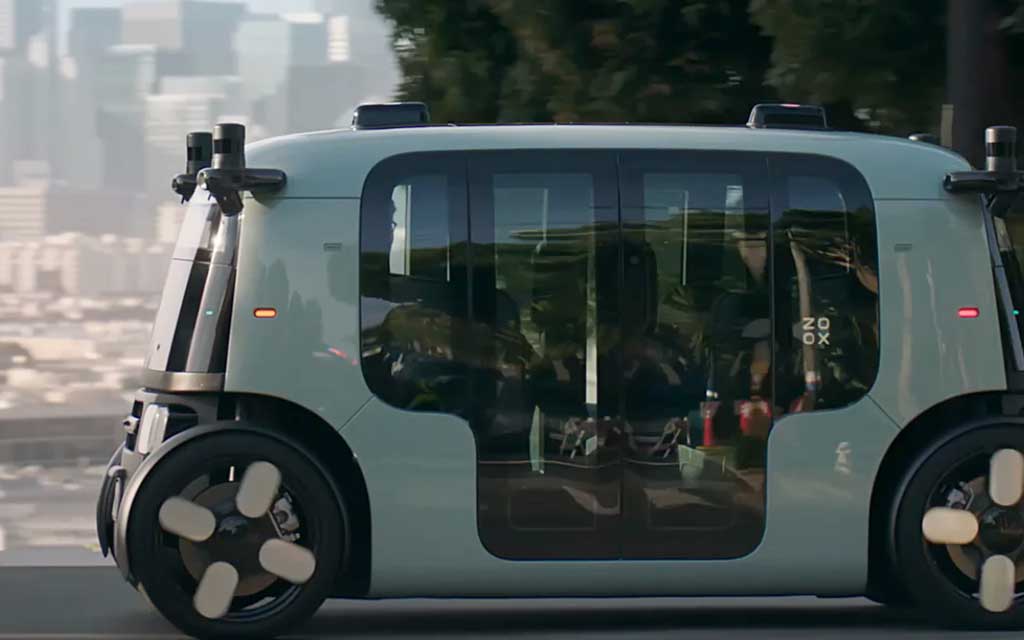
Amazon’s Zoox issues full recall of its 105 U.S. autonomous vehicles after one entered a smoke-filled emergency scene and impeded first responders. Explore details, NHTSA concerns, implications for AV safety, and the future of robotaxis in 2026.
Introduction
In a significant setback for autonomous vehicle development, Amazon’s self-driving unit Zoox has recalled all 105 of its U.S. vehicles following an incident where a robotaxi entered a smoke-filled emergency scene and obstructed first responders. This event underscores ongoing challenges in AV technology, particularly in handling unpredictable real-world scenarios involving emergency services.
The recall comes amid broader federal scrutiny from the National Highway Traffic Safety Administration (NHTSA), which has highlighted a pattern of driverless vehicles interfering with law enforcement and emergency operations. Here’s a full breakdown of the situation.
Details of the Zoox Recall and Incident
- Scope: All 105 Zoox vehicles operating in the U.S. are affected, representing the company’s entire active fleet for public testing/operations.
- Triggering Event: A Zoox robotaxi reportedly drove into an active emergency scene filled with smoke, impeding firefighters and first responders. This aligns with NHTSA-documented issues where AVs fail to properly recognize or yield to emergency signals, flares, cones, or blocked areas.
- Response: Zoox is implementing a software fix. The company emphasizes safety as foundational and is working closely with regulators.
This is not Zoox’s first recall — previous ones addressed lane-crossing, braking, and other edge cases — but the full-fleet action highlights the seriousness of emergency response interactions.
NHTSA’s Broader Concerns on AV-First Responder Interactions
NHTSA Administrator Jonathan Morrison issued a strong “call to action,” describing interference as “unacceptable” and a danger to the public. Key points:
- AVs have driven into active emergency scenes, blocked ambulances/firefighters, and ignored flashing lights, smoke, or fire.
- Emergency scenes are not rare edge cases — they must be handled reliably.
- Companies like Zoox and Waymo are urged to prioritize fixes, with upcoming meetings scheduled.
These issues raise questions about AV sensor fusion, decision-making algorithms, and training data for chaotic, low-visibility environments.
Implications for Robotaxis and the AV Industry
Safety and Public Trust: Incidents like this erode confidence in self-driving tech. While AVs promise fewer human-error crashes overall, failures in critical situations can have severe consequences.
Regulatory Pressure: Expect stricter oversight, potential new standards for emergency response, and mandatory testing in simulated/high-risk scenarios.
Operational Impact on Zoox/Amazon:
- Temporary pause or limitations on deployments.
- Accelerated software updates and validation.
- Competitive dynamics with rivals like Waymo, which faces similar reports.
Broader EV/AI Tech Context: This ties into challenges for autonomous systems in EVs, where integration of sensors, AI, and real-time decision-making is crucial. Companies must balance rapid innovation with rigorous safety.
What Zoox and Amazon Are Saying
Zoox states it takes first-responder interactions seriously and supports NHTSA’s accountability push. The company continues refining its technology through real-world data and feedback, with a focus on safer, more reliable operations. Amazon’s investment in Zoox (acquired in 2020) remains part of its long-term bet on autonomous mobility.
The Road Ahead for Self-Driving Vehicles
This recall serves as a reminder that AV technology, while advanced, still requires significant maturation for full public deployment:
- Positive Developments: Improved mapping, V2X communication (vehicle-to-everything), and AI training on emergency datasets.
- Challenges: Handling smoke, debris, human gestures, and dynamic scenes remains complex.
- Future Outlook: Expect more collaboration between AV firms, first responders, and regulators to develop standardized protocols.
For consumers and tech enthusiasts, events like this highlight the importance of transparency and incremental, safety-first rollouts.
Conclusion
Amazon’s Zoox recalling its entire U.S. fleet of 105 self-driving vehicles after impeding first responders at a smoke-filled emergency scene is a wake-up call for the autonomous vehicle industry. While setbacks are part of cutting-edge innovation, addressing these issues promptly is critical to building trust and realizing the safety potential of robotaxis.
Stay informed on the latest in AI, EVs, self-driving tech, and US innovation at vfuturemedia.com. What are your thoughts on robotaxi safety and regulation? Share below!

Leave a Comment