
Hey there, tech enthusiasts and future-watchers! It’s January 2, 2026, and if you’re like me, you’re still buzzing from the New Year’s predictions episodes that dropped just days ago. One that really caught my attention? The latest installment of The Ethical Life podcast, hosted by the thoughtful duo Scott Rada (digital strategist at Lee Enterprises) and Richard Kyte (director of the D.B. Reinhart Institute for Ethics in Leadership at Viterbo University).
In their year-end episode – cleverly titled around grading last year’s forecasts and peering into 2026 – the hosts dove deep into the swirling debates around artificial intelligence backlash and electric vehicle momentum, alongside some spicy political shake-ups. As covered in Roanoke.com’s spotlight, this episode isn’t just crystal-ball gazing; it’s a nuanced ethical conversation about how these tech tides will reshape society, jobs, trust, and our planet.
Let’s break it down in a conversational recap – because honestly, their chat felt like eavesdropping on two smart friends wrestling with the big questions of our time.
The Big Debate: AI Backlash – Hype Deflates or Ethical Reckoning?
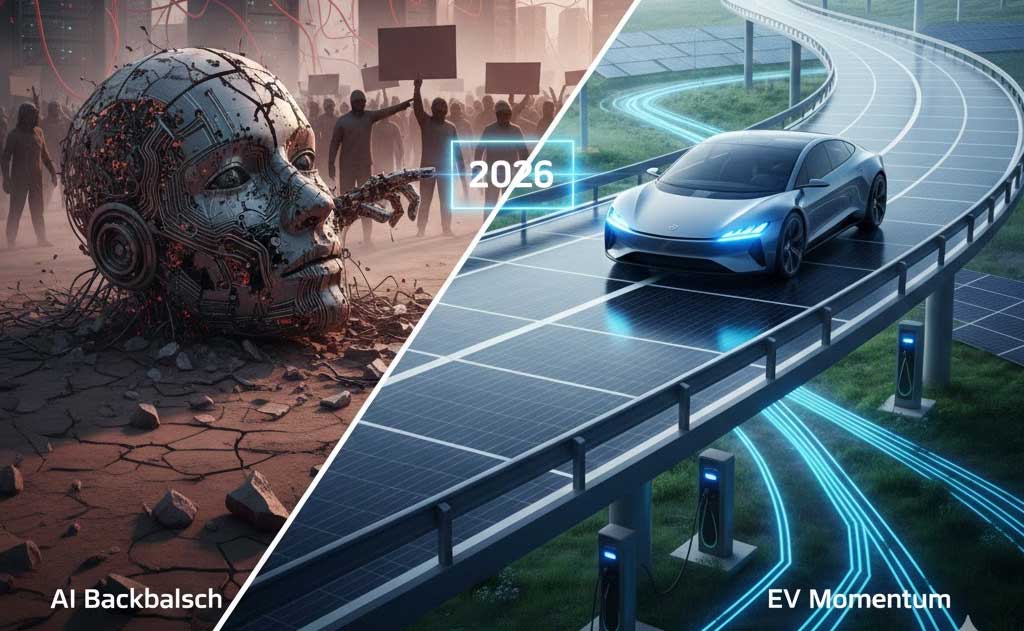
Scott and Richard didn’t shy away from the elephant in the room: After years of breathless AI hype, 2026 could be the year the backlash truly intensifies. They pointed to growing public fatigue with overpromising – think underwhelming AI agents, persistent hallucinations in models, and high-profile flops that make people question if the juice is worth the squeeze.
But it’s deeper than disappointment. The hosts explored the ethical undercurrents: Job displacement hitting white-collar workers en masse, deepfake-fueled misinformation eroding trust in everything from elections to personal relationships, and the concentration of power in a handful of tech giants raising alarms about privacy and bias.
Richard Kyte, with his ethics expertise, emphasized how unchecked AI could widen inequality and diminish human agency – “Are we building tools that serve humanity, or ones that subtly control it?” Scott Rada brought the real-world angle, noting rising calls for regulation and public skepticism mirroring past tech bubbles.
Yet, they balanced it: AI’s potential for breakthroughs in healthcare, climate modeling, and education isn’t fading. The question for 2026? Will backlash lead to smarter, more ethical development – or stall progress altogether?
EV Momentum: Acceleration Ahead, But With Ethical Speed Bumps
On a brighter note, the hosts were optimistic about electric vehicles gaining serious momentum in 2026. They highlighted falling battery costs, expanding charging networks, policy incentives (despite political winds), and automakers like Tesla, Rivian, and legacy players flooding the market with affordable options.
EVs could finally tip into mainstream dominance, slashing emissions and reducing oil dependence. Richard praised this as an ethical win – stewardship for the planet, healthier air for communities disproportionately affected by pollution.
But they didn’t ignore the bumps: Supply chain ethics (cobalt mining issues), grid strain from mass adoption, and the affordability gap leaving lower-income drivers behind. Scott wondered aloud if 2026’s momentum would force tougher conversations about equitable transition – subsidies, recycling old batteries responsibly, and ensuring jobs in fossil fuels aren’t abandoned.
Political shake-ups tied in here too – with new administrations and global tensions, will EV policies surge or stutter?
Grading the Past, Predicting the Future
True to tradition, the episode kicked off with the hosts humbly grading their 2025 predictions (spoiler: mixed bag – some nailed political twists, others overestimated AI timelines). Then they laid out bold 2026 calls, debating which will age like fine wine in 12 months.
It was refreshingly honest – no doom-scrolling sensationalism, just grounded speculation laced with ethical reflection.
Let’s Talk About It: Your Turn on Societal Impacts
This episode left me pondering some big questions – and I bet it did for you too:
- Will AI backlash in 2026 push us toward better regulation and transparency, or create fear that slows innovation?
- As EVs gain momentum, how do we ensure the transition is fair – protecting workers, minimizing environmental harm in mining, and making clean transport accessible to all?
- In a year of potential political upheaval, how might policies amplify or derail progress in AI ethics and sustainable mobility?
- Broader still: Are we ethically prepared for a world where AI influences decisions and EVs redefine energy – or are we racing ahead without enough reflection?
These aren’t abstract; they hit jobs, privacy, climate, and equality head-on.
What do you think? Drop your 2026 predictions in the comments – Will AI face a major reckoning? EVs finally overtake gas cars in sales? Or something wilder, like quantum leaps or robotaxi dominance?
Share your boldest forecast, your biggest fear, or your wildest hope for tech in 2026. Let’s build this conversation together – because as Scott and Richard remind us, ethics isn’t just for podcasts; it’s how we shape a better future.
If you haven’t listened yet, search for The Ethical Life on Apple Podcasts, Spotify, or wherever you get your pods. It’s thoughtful, balanced, and perfect for kicking off the year with perspective.
Here’s to a fascinating – and ethically sound – 2026!
I’m Ethan, and I write about the tech that’s actually going to change how we live — not the stuff that just sounds impressive in a press release. I cover AI, EVs, robotics, and future tech for VFuture Media. I was on the ground at CES 2026 in Las Vegas, walking the show floor so I could give you a real read on what matters and what’s just noise. Follow me on X for daily takes.
We started VFuture Media because we wanted tech news written by people who actually follow this industry — not content farms chasing keywords. If that resonates, we’d love to have you as a regular reader. Pull up a chair.


Leave a Comment