

GitHub Under Investigation: Unauthorized Access to Internal Repositories Sparks Security Concerns
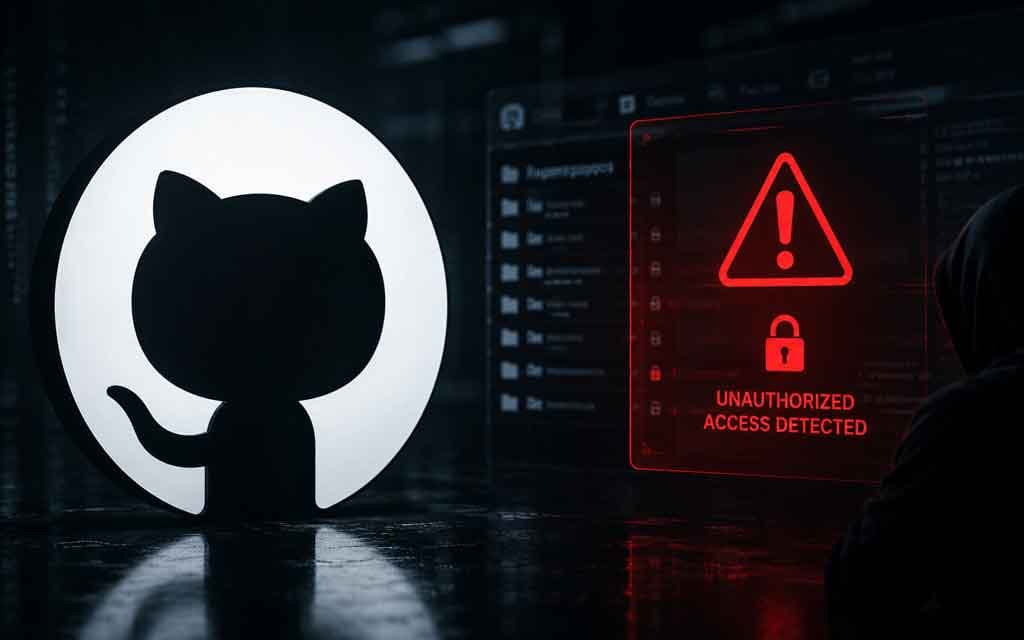
NEXT_PUBLIC_GOOGLE_ADSENSE_ID to enableIn a late-night alert that sent ripples through the global developer community, GitHub has confirmed it is actively investigating unauthorized access to its internal repositories. The Microsoft-owned platform, which hosts millions of open-source and private projects, issued the statement on May 20, 2026, raising immediate questions about potential exposure of sensitive internal code, tools, and infrastructure secrets.
While GitHub moved quickly to reassure users, the disclosure highlights the persistent vulnerabilities in even the most fortified tech giants — especially in an era where AI agents, automated workflows, and interconnected systems make every internal repo a high-value target.
GitHub’s Official Statement
“We are investigating unauthorized access to GitHub’s internal repositories. While we currently have no evidence of impact to customer information stored outside of GitHub’s internal repositories (such as our customers’ enterprises, organizations, and repositories), we are closely monitoring our infrastructure for follow-on activity.”
GitHub added that any confirmed impact on user data or service disruptions would be communicated through standard incident channels. As of now, no customer repositories, enterprise accounts, or public data appear compromised.
Why This Matters: The High Stakes of Internal Repos
Internal repositories often contain:
- Proprietary build scripts and CI/CD pipelines
- API keys, service credentials, and infrastructure configurations
- Pre-release AI models or internal tools
- Security playbooks and incident response frameworks
A successful breach here could give attackers a roadmap for deeper infiltration — even if customer-facing repos remain untouched. This incident comes months after the high-profile CVE-2026-3854 RCE vulnerability (discovered by Wiz Research), which allowed remote code execution via a simple git push and exposed millions of repositories on shared nodes. While that flaw was patched quickly in March/April 2026, it underscored GitHub’s complex backend architecture as a potential weak point.
Timeline and Context
- May 20, 2026: GitHub posts the investigation notice on X.
- Developers and security researchers immediately began speculating about possible links to recent vulnerabilities or nation-state actors.
- Crypto influencer CZ (Changpeng Zhao) reportedly advised developers to rotate API keys stored in code — a prudent move amid rising concerns.
What Developers and Organizations Should Do Right Now
- Rotate Secrets — Immediately review and rotate any GitHub tokens, SSH keys, or API credentials stored in code or GitHub Actions.
- Enable/Review 2FA and SSO — Ensure all accounts use strong authentication, especially for organization owners.
- Audit Workflows — Scan GitHub Actions for suspicious changes or new runners.
- Monitor for Follow-On Activity — Watch for unusual login attempts or repository access logs.
- Consider Secrets Scanning — Tools like GitHub’s own secret scanning or third-party solutions can help catch exposed credentials.
Broader Implications for the Developer Ecosystem
This event serves as a stark reminder that no platform is invincible. With over 100 million developers relying on GitHub daily, even the perception of a breach can erode trust. It also accelerates discussions around:
- Better isolation between internal and customer environments
- Advanced zero-trust architectures for code hosting
- AI-powered threat detection in version control systems
At Vufutre Media, we track how security incidents shape the future of software development and cloud infrastructure. GitHub has a strong track record of transparent and rapid response — we’ll continue monitoring for updates and any confirmed impact.
What’s your take? Are you worried about this incident, or do you trust GitHub’s containment so far? Have you rotated your tokens yet? Share your thoughts in the comments below.
Last updated: May 20, 2026. Sources include GitHub’s official X statement, PANews, Cointelegraph reports, and prior Wiz Research disclosures.
NEXT_PUBLIC_GOOGLE_ADSENSE_ID to enable

