
Published: April 14, 2026 By: Ethan Brooks, Senior AI & Cybersecurity Analyst, VFuture Media Ethan Brooks has 9+ years of experience analyzing frontier AI models and their enterprise security implications. He previously led threat intelligence at a major US fintech firm and regularly advises CXOs on AI-driven cyber risks and responsible AI deployment.
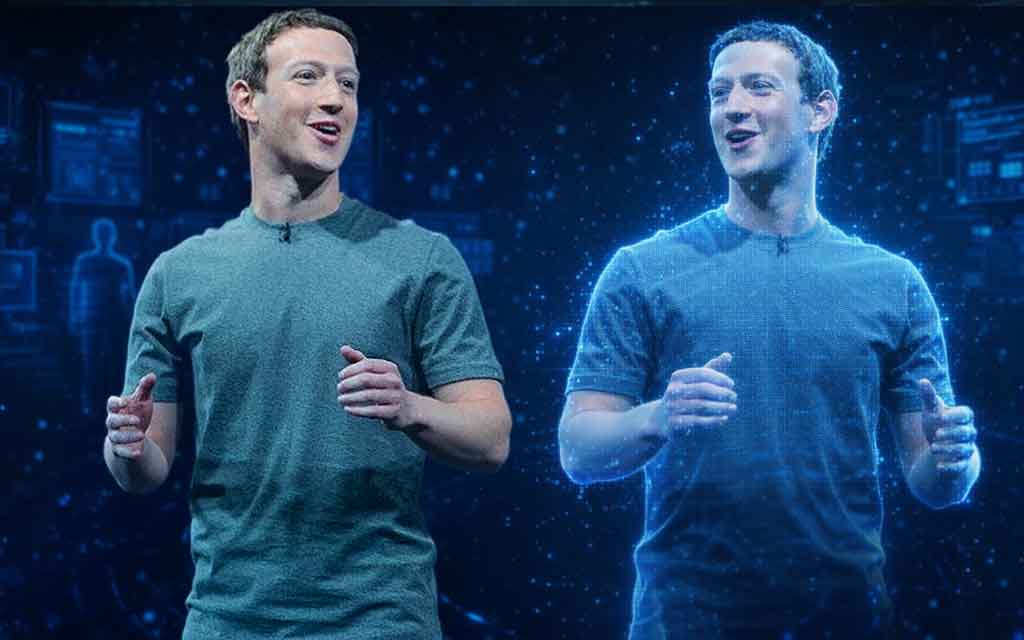
JUST IN: Meta is actively developing a photorealistic 3D AI clone of CEO Mark Zuckerberg that can interact with employees, provide feedback, and potentially sit in on meetings on his behalf.
According to a detailed report from the Financial Times (April 13, 2026), the AI avatar is being trained on Zuckerberg’s image, voice, mannerisms, tone, public statements, and even his most recent thoughts on company strategy. The goal: help Meta’s nearly 80,000 employees feel more connected to the founder while freeing up the CEO’s time.
Zuckerberg himself is personally involved in training and testing the digital version of himself.
At VFuture Media — your go-to source for synthetic media, AI video, digital humans, and the future of AI-powered storytelling — this project represents a major leap in how executives and creators are using AI avatars to scale personal presence.
What We Know About Meta’s Zuckerberg AI Clone
The project builds on Meta’s existing work on photorealistic 3D AI characters (previously showcased in Meta AI Studio). Key details include:
- Training Data: Zuckerberg’s real image, voice recordings, mannerisms, speaking tone, public statements, and internal strategy updates.
- Capabilities: Real-time conversation, answering employee questions, giving feedback, and representing the CEO in meetings.
- Purpose: Increase employee connection to leadership and reduce the CEO’s meeting load.
- Current Status: In active development and testing; Zuckerberg is spending time coding on Meta’s broader AI projects as well.
- Future Potential: If successful, Meta may allow creators and users to build their own AI avatars.
This is not just a simple chatbot — it is designed as an agentic, photorealistic digital twin capable of human-like interaction.
Why Zuckerberg Is Creating an AI Version of Himself
Meta’s leadership has been pushing hard into AI, with Zuckerberg publicly stating he wants every person (inside and outside the company) to eventually have their own personal AI agent.
This internal experiment is the first high-profile test case:
- Time savings: Zuckerberg can delegate routine meetings and Q&A sessions.
- Scale of influence: His thinking and leadership style can reach more employees simultaneously.
- Employee experience: Staff who can’t get direct access to the real CEO can still “talk to Zuck” and feel connected.
- Broader AI strategy: It accelerates Meta’s push into advanced synthetic media and digital humans.
Zuckerberg is also reportedly spending 5–10 hours per week personally coding on Meta’s other AI initiatives and participating in technical reviews.
The Bigger Picture: The Rise of Executive AI Clones and Synthetic CEOs
This development fits into a growing trend of high-profile figures creating digital versions of themselves:
- It builds directly on Meta’s investment in AI avatars for consumer use.
- It highlights how synthetic media is moving from entertainment and marketing into core business operations.
- It raises fascinating questions about authenticity, leadership, and the future of work in an AI-augmented world.
For creators, influencers, and media companies (our core audience at VFuture Media), this signals that AI clones and digital twins are becoming practical tools — not just futuristic concepts.
5 Key Implications for Businesses, Creators & the AI Industry in 2026
- Personal Presence at Scale — Executives can be in multiple places at once through AI agents.
- Synthetic Media Goes Enterprise — Photorealistic avatars are moving from consumer apps into internal tools.
- Efficiency Gains — Reduces meeting fatigue while maintaining leadership consistency.
- Creator Opportunity — If Meta opens the technology, everyday creators could build and monetize their own AI versions.
- Ethical & Cultural Questions — How do employees feel interacting with an AI boss? What are the boundaries of digital identity?
FAQ
Q1: Will the AI clone fully replace Mark Zuckerberg in meetings? A: It is designed to assist and represent him, potentially sitting in on some meetings and handling employee interactions. It is not a full autonomous replacement yet.
Q2: Is the AI clone publicly available? A: No. This is currently an internal Meta project for employees only.
Q3: How realistic is the avatar? A: It is being built as a photorealistic 3D character using Meta’s latest avatar technology, trained on Zuckerberg’s real voice, image, and mannerisms.
Q4: Could other CEOs or creators do the same? A: Yes. Meta has signaled that a successful Zuckerberg experiment could lead to tools allowing users and creators to build their own AI avatars.
Q5: Is Zuckerberg involved in building it? A: Yes — reports confirm he is personally participating in the training and testing process.
How VFuture Media Helps You Create & Use AI Avatars
We don’t just report on synthetic media — we help businesses and creators build it.
Whether you need:
- Custom AI clones or digital twins for your brand or personal brand
- Photorealistic talking avatars for video content, training, or customer service
- Strategy on using AI agents to scale your presence
…our team is here to help you implement these technologies today.
Ready to create your own AI version? Download our free 2026 Synthetic Media & AI Avatar Guide or contact us at info@vfuturemedia.com for a consultation.
Final Thoughts
Mark Zuckerberg building an AI clone of himself marks a pivotal moment in the mainstream adoption of synthetic media. What started as sci-fi is now becoming a practical productivity tool for one of the world’s most powerful CEOs.
This project shows that AI avatars are no longer just for entertainment — they are becoming essential infrastructure for leadership, communication, and content creation.
We will continue tracking Meta’s AI avatar developments, digital humans, and the future of agentic AI. Subscribe to the VFuture Media newsletter for weekly insights on synthetic media, AI video, frontier tech, and how to stay ahead in the creator economy.
Follow us on Instagram @vfuturemedia and share your thoughts in the comments: Would you want an AI clone of yourself?
Sources :
- Financial Times (April 13, 2026) – primary reporting
- The Verge, The Guardian, Engadget, PCMag, and Reuters coverage (April 13–14, 2026)
- Meta’s public statements on AI avatars and personal agents
Tags: Mark Zuckerberg AI clone, Meta AI avatar, Zuckerberg digital twin, synthetic media 2026, AI clone for meetings, photorealistic AI avatar, Meta AI strategy
Share this post with your team or fellow creators. Drop your biggest takeaway or reaction below — we read every comment.


Leave a Comment