

The US electric vehicle (EV) market entered 2026 on a cautious note following the dramatic shifts in 2025, particularly the expiration of the $7,500 federal tax credit at the end of September 2025. This policy change triggered a massive rush in Q3 2025, followed by a sharp Q4 decline, but overall 2025 EV sales held remarkably steady at around 1.27–1.28 million units (down just ~2% from 2024’s 1.30 million), capturing about 7.8% of total new vehicle sales according to Kelley Blue Book and Cox Automotive estimates.
As of mid-January 2026 (current date: January 19, 2026), no comprehensive weekly EV sales data for the most recent week (e.g., week ending January 18, 2026) has been publicly released by major trackers like Cox Automotive, Kelley Blue Book, or InsideEVs. Weekly breakdowns are rare in the industry—most reports focus on monthly, quarterly, or annual figures. Early January sales are typically slower due to post-holiday slowdowns, inventory adjustments, and the absence of incentives, with analysts expecting tepid or flat EV demand in the first quarter of 2026 before potential stabilization around an 8% market share for the full year.
Why Weekly Data Is Limited Right Now
- EV sales reporting lags: Sources like Cox Automotive and Kelley Blue Book issue monthly or quarterly insights, often with a delay.
- Early 2026 trends point to challenges: Post-incentive normalization, higher interest rates, and affordability concerns are tempering demand. New affordable models (e.g., 2026 Chevrolet Bolt under $30,000, updated Nissan LEAF) are just entering or ramping up, which could boost numbers later in the year.
- Projections for 2026: Cox Automotive forecasts EV sales to remain fairly flat overall, with gradual growth driven by better charging infrastructure, battery advancements, and consumer-driven choices rather than subsidies.
Company-Wise EV Sales Snapshot (Latest Full-Year 2025 Data)
For context on the market leading into 2026, here’s a breakdown of key players from 2025 (sourced from Kelley Blue Book, Cox Automotive, Electrek, and CleanTechnica reports). Tesla continues to dominate, but GM made strong gains.
- Tesla: ~589,000 units (46.2% market share) — Still the clear leader despite a slight decline from 2024.
- General Motors (GM brands combined): ~169,887 units (up 48% YoY) — Second place, more than double Ford’s volume. Strong performers included Chevy Equinox EV (~58,000 units), Blazer EV, and Cadillac models like Lyriq.
- Ford: ~84,113 units (down 14% YoY) — Key models: Mustang Mach-E (~51,620), F-150 Lightning (~27,307).
- Hyundai/Kia/Genesis: Strong mid-tier players (e.g., IONIQ 5 ~47,000; overall group gains noted).
- Honda: ~39,194 for Prologue alone (up 18.7%).
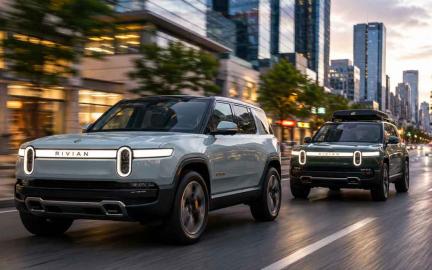
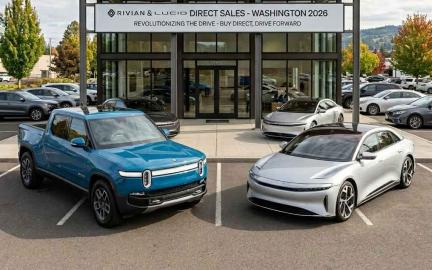
- Others: Rivian showed momentum in select months; Nissan and some luxury brands saw sharper post-incentive drops in Q4.
What to Expect Moving Forward in 2026
The “next chapter” for US EVs emphasizes affordability and consumer choice:
- New launches like the 2026 Chevy Bolt, Rivian R2, BMW iX3, and updated affordable options from Nissan/Toyota could accelerate adoption.
- Analysts predict ~8% EV share for 2026, with long-term growth as prices fall and infrastructure expands.
- Hybrids are gaining faster in the short term, but pure EVs remain poised for maturation.
For the most up-to-date weekly or monthly figures as they emerge, check sources like Cox Automotive, Kelley Blue Book, or Electrek. The EV transition is ongoing—2026 is shaping up as a year of stabilization and real-market testing without heavy subsidies.
The US electric vehicle (EV) market entered 2026 on a cautious note following the dramatic shifts in 2025, particularly the expiration of the $7,500 federal tax credit at the end of September 2025. This policy change triggered a massive rush in Q3 2025, followed by a sharp Q4 decline, but overall 2025 EV sales held remarkably steady at around 1.27–1.28 million units (down just ~2% from 2024’s 1.30 million), capturing about 7.8% of total new vehicle sales according to Kelley Blue Book and Cox Automotive estimates.
As of mid-January 2026 (current date: January 19, 2026), no comprehensive weekly EV sales data for the most recent week (e.g., week ending January 18, 2026) has been publicly released by major trackers like Cox Automotive, Kelley Blue Book, or InsideEVs. Weekly breakdowns are rare in the industry—most reports focus on monthly, quarterly, or annual figures. Early January sales are typically slower due to post-holiday slowdowns, inventory adjustments, and the absence of incentives, with analysts expecting tepid or flat EV demand in the first quarter of 2026 before potential stabilization around an 8% market share for the full year.
Why Weekly Data Is Limited Right Now
- EV sales reporting lags: Sources like Cox Automotive and Kelley Blue Book issue monthly or quarterly insights, often with a delay.
- Early 2026 trends point to challenges: Post-incentive normalization, higher interest rates, and affordability concerns are tempering demand. New affordable models (e.g., 2026 Chevrolet Bolt under $30,000, updated Nissan LEAF) are just entering or ramping up, which could boost numbers later in the year.
- Projections for 2026: Cox Automotive forecasts EV sales to remain fairly flat overall, with gradual growth driven by better charging infrastructure, battery advancements, and consumer-driven choices rather than subsidies.
Company-Wise EV Sales Snapshot (Latest Full-Year 2025 Data)
For context on the market leading into 2026, here’s a breakdown of key players from 2025 (sourced from Kelley Blue Book, Cox Automotive, Electrek, and CleanTechnica reports). Tesla continues to dominate, but GM made strong gains.
- Tesla: ~589,000 units (46.2% market share) — Still the clear leader despite a slight decline from 2024.
- General Motors (GM brands combined): ~169,887 units (up 48% YoY) — Second place, more than double Ford’s volume. Strong performers included Chevy Equinox EV (~58,000 units), Blazer EV, and Cadillac models like Lyriq.
- Ford: ~84,113 units (down 14% YoY) — Key models: Mustang Mach-E (~51,620), F-150 Lightning (~27,307).
- Hyundai/Kia/Genesis: Strong mid-tier players (e.g., IONIQ 5 ~47,000; overall group gains noted).
- Honda: ~39,194 for Prologue alone (up 18.7%).
- Others: Rivian showed momentum in select months; Nissan and some luxury brands saw sharper post-incentive drops in Q4.
What to Expect Moving Forward in 2026
The “next chapter” for US EVs emphasizes affordability and consumer choice:
- New launches like the 2026 Chevy Bolt, Rivian R2, BMW iX3, and updated affordable options from Nissan/Toyota could accelerate adoption.
- Analysts predict ~8% EV share for 2026, with long-term growth as prices fall and infrastructure expands.
- Hybrids are gaining faster in the short term, but pure EVs remain poised for maturation.
For the most up-to-date weekly or monthly figures as they emerge, check sources like Cox Automotive, Kelley Blue Book, or Electrek. The EV transition is ongoing—2026 is shaping up as a year of stabilization and real-market testing without heavy subsidies.

Leave a Comment