

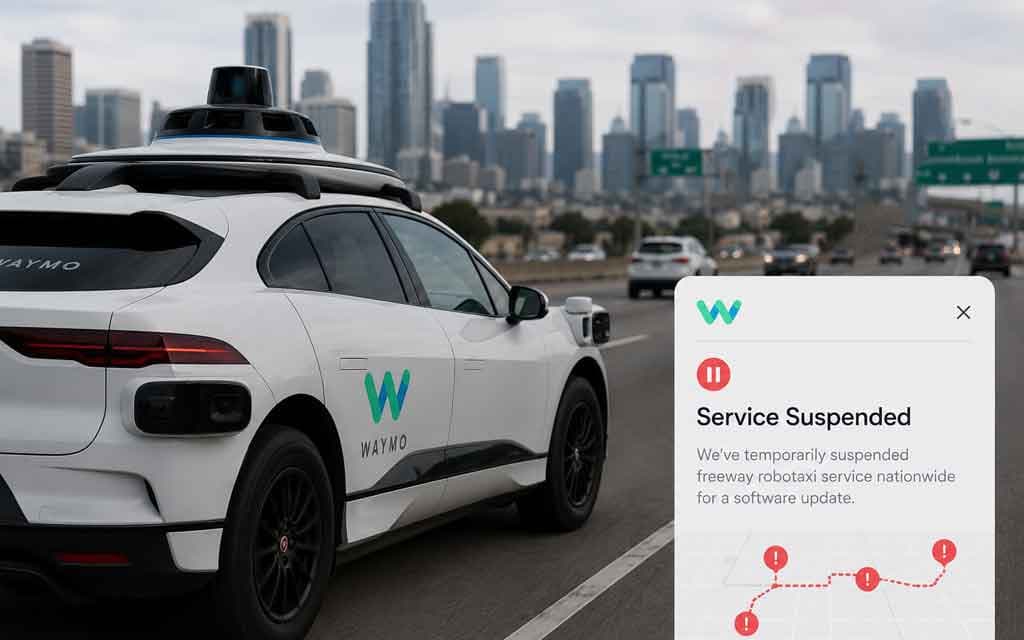
Waymo Suspends Nationwide Freeway Robotaxi Service for Software Update
NEXT_PUBLIC_GOOGLE_ADSENSE_ID to enableIntroduction: Safety First in the Race for Autonomous Mobility
May 22, 2026 — Alphabet’s Waymo has temporarily suspended all robotaxi operations on U.S. freeways as it integrates critical software improvements to better handle construction zones and challenging road conditions. This latest move underscores the complex realities of scaling autonomous driving technology in dynamic real-world environments.
For www.vfuturemedia.com readers tracking the intersection of AI, robotics, and future transportation, this development highlights both the rapid progress and persistent hurdles in the autonomous vehicle industry.
Details of the Suspension
Waymo confirmed the pause on Thursday, May 21, 2026. The suspension affects freeway routes in its major operational markets, including:
- San Francisco
- Los Angeles
- Phoenix
- Miami
Surface street operations in these cities remain active and unaffected.
The company stated it is actively incorporating “recent technical learnings” into its software stack, with expectations to resume freeway service soon. A Waymo spokesperson emphasized that safety remains the top priority during this proactive update.
Broader Operational Pauses and Flooding Challenges
The freeway suspension coincides with additional service pauses in other cities due to flooding-related issues:
- Atlanta: Operations paused after a robotaxi reportedly got stuck in flooded streets.
- San Antonio, Dallas, Houston: Earlier pauses linked to severe weather and flooding risks.
These incidents follow a voluntary recall issued in mid-May 2026 affecting approximately 3,791 robotaxis. The recall addressed a software flaw that could cause vehicles to drive into flooded roadways on higher-speed roads instead of coming to a complete stop.
Waymo had previously rolled out an interim software patch, but recent events in Atlanta demonstrated that further refinements were necessary.
Context: Waymo’s Rapid Expansion and Growing Pains
Waymo, a leader in the robotaxi space, has significantly expanded its commercial operations by 2026. The company operates thousands of vehicles across multiple U.S. cities and introduced limited freeway access in late 2025 to offer faster routes for riders.
While freeway trips represented a key convenience feature — especially in sprawling cities like Los Angeles and the Bay Area — they also introduce greater complexity due to higher speeds, merging traffic, construction zones, and variable weather conditions.
This is not the first time Waymo has issued software recalls or temporary pauses. Previous updates addressed issues such as interactions with towed vehicles and school bus scenarios, demonstrating the company’s iterative, safety-focused approach to development.
Industry Implications and Future Outlook
Positive Takeaways:
- Waymo’s transparency and swift action reflect a mature safety culture.
- The ability to push over-the-air (OTA) software updates allows rapid iteration without physical recalls.
- Surface street reliability remains strong, showing the core technology is robust in controlled environments.
Challenges Ahead:
- Handling edge cases (construction, flooding, unusual obstacles) continues to test the limits of current AI perception and decision-making systems.
- Regulatory scrutiny from bodies like the NHTSA is intensifying as robotaxis scale.
- Public trust depends on consistent performance and clear communication during setbacks.
For the broader autonomous mobility sector, this event serves as a reminder that full Level 4/5 autonomy requires mastering unpredictable real-world variables. Competitors like Cruise, Zoox, and Tesla’s Robotaxi ambitions will face similar hurdles.
What Riders and Stakeholders Should Know
- Existing Waymo users can still book rides on surface streets in supported cities.
- Freeway service is expected to return after the software enhancements.
- The company continues to expand its fleet and geographic footprint while prioritizing safety data collection.
Conclusion: A Necessary Step Toward Safer Autonomy
Waymo’s decision to pause freeway operations nationwide demonstrates responsible stewardship in the pursuit of transformative transportation technology. While setbacks like these can slow momentum, they are essential for building the ultra-reliable systems needed for widespread adoption.
At www.vfuturemedia.com, we view this as part of the natural evolution of AI-powered robotics. Each software refinement brings the industry closer to a future where safe, efficient, driverless mobility is the norm — reshaping cities, reducing accidents, and redefining how we move.
Stay tuned for updates on Waymo’s software improvements and the broader autonomous vehicle landscape.
NEXT_PUBLIC_GOOGLE_ADSENSE_ID to enableArticles you might like
 Electric Vehicles
Rivian R2 Pricing Strategy Analysis 2026: A Calculated Bet on Premium Positioning Before Going Mass-Market
 Electric Vehicles
Latest EV News June 2026: Global Sales Surge, US Faces Headwinds, Rivian R2 & Lucid Gravity Heat Up
 Electric Vehicles