

SpaceX Falcon 9 Successfully Launches 29 Starlink Satellites from Florida
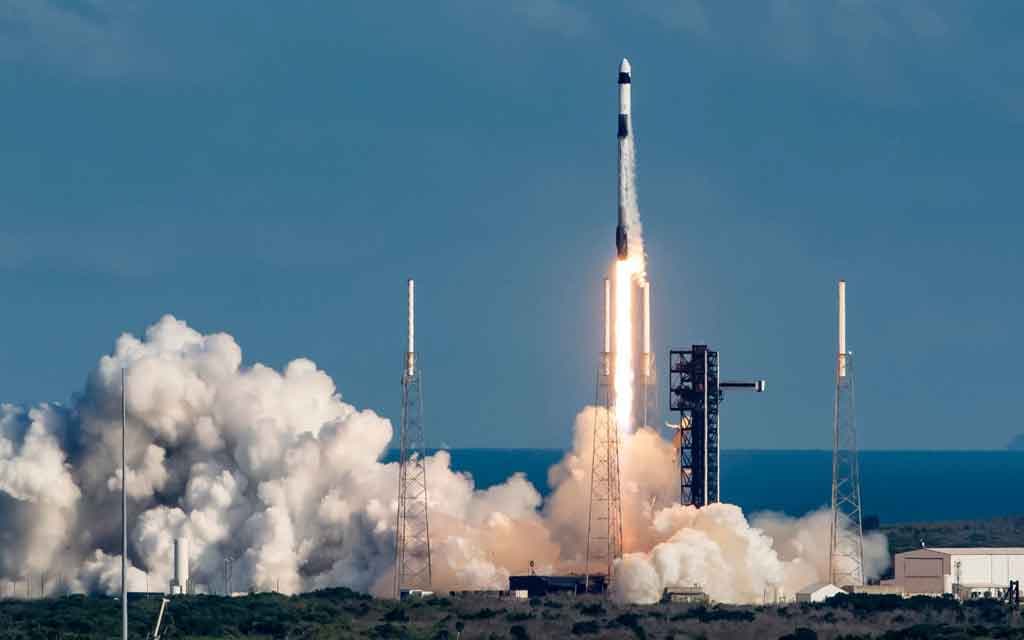
NEXT_PUBLIC_GOOGLE_ADSENSE_ID to enableSpaceX launched a Falcon 9 rocket carrying 29 Starlink satellites from Cape Canaveral Space Force Station in Florida, successfully deploying them into low Earth orbit.
The mission adds another batch of next-generation satellites to the world’s largest commercial satellite constellation, which now exceeds 10,000 spacecraft in orbit. This launch continues SpaceX’s aggressive cadence aimed at improving global broadband coverage, capacity, and latency.
Mission Details
The Falcon 9 lifted off from Space Launch Complex 40 (SLC-40) at Cape Canaveral. After stage separation, the first stage landed successfully on a droneship in the Atlantic Ocean, consistent with SpaceX’s routine reusability operations.
The 29 satellites were deployed into their target orbits and will undergo initial checkouts before joining the active Starlink network. These satellites are part of the ongoing V2 Mini or similar upgraded batches designed to deliver higher bandwidth and better performance than earlier generations.
This marks another routine but important step in SpaceX’s plan to blanket the planet with high-speed internet from space.
Starlink Constellation Continues Rapid Growth
With this successful deployment, the Starlink constellation has grown to well over 10,000 satellites. SpaceX has maintained one of the most ambitious launch schedules in history, often flying multiple Starlink missions per week across its Florida and California launch sites.
Key milestones the constellation has already achieved:
- Global coverage for most populated areas
- Expansion into maritime, aviation, and remote enterprise markets
- Growing adoption for residential broadband in underserved regions
- Increasing use in government and defense applications through the Starshield program
The addition of 29 more satellites improves network capacity and redundancy, particularly important as Starlink adds millions of new users and supports higher-bandwidth applications like streaming, gaming, and enterprise connectivity.
Why These Launches Matter
Each Starlink mission directly supports several strategic goals:
1. Closing the Global Digital Divide Starlink has become a critical connectivity solution in rural areas, developing nations, disaster zones, and regions where traditional infrastructure is difficult or expensive to build. The more satellites in orbit, the better the performance and availability for users worldwide.
2. Supporting AI and Data Infrastructure As demand for AI grows, reliable global connectivity becomes essential for edge computing, autonomous systems, and real-time data transmission. Starlink’s expanding network is increasingly viewed as foundational infrastructure for the AI era.
3. Commercial and Government Revenue Starlink is now one of SpaceX’s major revenue drivers alongside launch services. The constellation serves residential customers, businesses, airlines, ships, and government agencies. Continued launches are necessary to keep pace with subscriber growth and to replace older satellites as they reach end of life.
4. National Security and Resilience Through Starshield, SpaceX is delivering secure communications capabilities to the U.S. military and allied governments. A larger, more resilient constellation strengthens America’s advantage in space-based communications.
Competition and Market Position
SpaceX currently holds a commanding lead in low Earth orbit broadband. Amazon’s Project Kuiper is still in the early deployment phase, while other competitors like OneWeb have significantly smaller constellations.
However, the race is intensifying. Amazon plans to launch thousands of its own satellites, and other nations are developing similar systems. SpaceX’s ability to maintain launch cadence and rapidly iterate on satellite design remains its biggest competitive advantage.
The company’s vertical integration — building rockets, satellites, ground stations, and user terminals in-house — allows it to move faster and at lower cost than traditional aerospace players.
What’s Next for Starlink and SpaceX
SpaceX continues to push several major initiatives:
- Higher-capacity satellites: Newer generations are designed to deliver significantly more bandwidth per satellite.
- Direct-to-cell service: Partnerships with mobile carriers to provide coverage directly to standard smartphones in areas without terrestrial service.
- Starship integration: Once Starship becomes operational for satellite deployment, SpaceX will be able to launch much larger batches of Starlink satellites at lower cost.
- Global expansion: Continued growth in enterprise, mobility, and government segments.
The steady drumbeat of Falcon 9 launches from Florida and California keeps the constellation growing while SpaceX prepares for the next leap with Starship.
Implications for the U.S. Space Industry
This latest launch reinforces SpaceX’s position as the dominant force in American commercial spaceflight. The company’s reusability achievements and high launch cadence have dramatically lowered the cost of access to space and enabled entirely new business models like global satellite broadband.
For the broader U.S. space sector, SpaceX’s success has also created a ripple effect — spurring investment, talent development, and policy focus on maintaining American leadership in space.
Bottom Line
SpaceX’s Falcon 9 successfully launched and deployed 29 Starlink satellites from Florida, adding meaningful capacity to the world’s largest satellite internet constellation. While individual launches have become almost routine, they collectively represent one of the most significant infrastructure buildouts in modern history.
As the constellation grows and technology improves, Starlink is transitioning from an emerging service to essential global infrastructure — supporting everything from rural broadband to AI systems and national security communications.
SpaceX shows no signs of slowing its launch pace. With Starship on the horizon, the rate of constellation expansion is expected to accelerate further in the coming years.
FAQs
How many Starlink satellites are in orbit now? The constellation has grown to more than 10,000 satellites following this and previous missions.
Where was this launch from? Cape Canaveral Space Force Station in Florida (SLC-40), one of SpaceX’s primary East Coast launch sites.
What’s the goal of adding so many satellites? To increase network capacity, reduce latency, improve coverage in remote areas, and support growing demand from residential, enterprise, mobility, and government users.
When will Starship start launching Starlink satellites? SpaceX is working toward using Starship for Starlink deployments once the vehicle is fully operational, which would allow much larger batches per launch.
How does this affect regular users? More satellites generally mean better performance, higher speeds, and more reliable service, especially in high-demand or previously underserved regions.
NEXT_PUBLIC_GOOGLE_ADSENSE_ID to enable

