
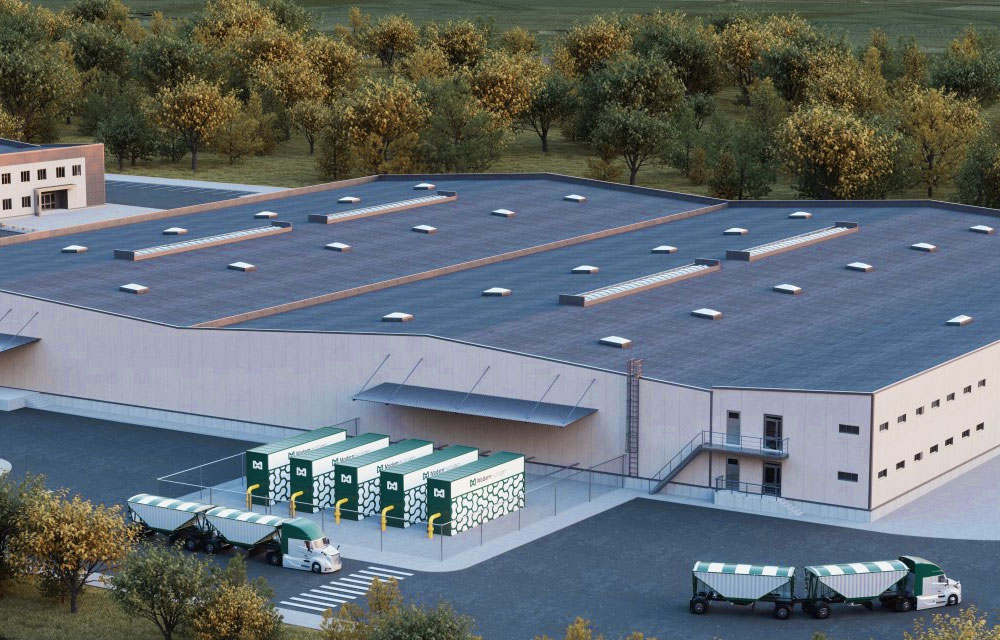
Heartbreaking news from Seattle: Modern Hydrogen, a Gates-funded clean energy startup, laid off most staff on October 30, 2025, citing funding woes. The Backstory: After 10 years and pilots with Portland and Miami utilities, restructuring hit hard. Vendor Fallout: Unpaid invoices leave partners in limbo. A stark reminder: even blue-chip backing doesn’t guarantee survival in volatile markets.
In the ever-shifting landscape of clean energy innovation, few stories hit as hard as the sudden collapse of a promising venture. Modern Hydrogen, the Seattle-area startup once championed by Bill Gates for its groundbreaking methane pyrolysis technology, has become the latest casualty of funding droughts and market volatility. On October 30, 2025, the company executed mass layoffs, terminating most of its employees and slashing vendor contracts amid a “significant reduction in company operations.” This gut-wrenching move, disclosed in emails to partners, underscores the precarious tightrope clean energy startups walk—even with billionaire backing.
For those tracking the hydrogen revolution, Modern Hydrogen’s downfall is more than a corporate headline; it’s a seismic shock to the clean energy ecosystem. As global efforts to decarbonize intensify, this Seattle setback raises tough questions: Can innovative tech survive without steady government support? And what does it mean for the broader push toward turquoise hydrogen—a cleaner alternative to traditional fossil fuels?
The Rise of Modern Hydrogen: From Startup Spark to Gates’ Golden Bet
Founded in 2015 by Tony Pan and Max Mankin, Modern Hydrogen emerged from the labs of the University of Washington with a bold vision: transform natural gas into clean hydrogen and solid carbon without the water-guzzling electrolysis of green hydrogen or the emissions-heavy steam reforming of gray hydrogen. Their proprietary methane pyrolysis process cracks methane (CH4) into hydrogen (H2) and carbon black (C), capturing the byproduct for reuse in asphalt, tires, and pigments. It’s “turquoise hydrogen”—low-emission, scalable, and bolt-on to existing infrastructure.
The company’s trajectory skyrocketed in 2022 when Bill Gates, through his Breakthrough Energy Ventures (BEV), poured investment into the firm. Gates, a vocal clean energy advocate, even visited the Woodinville headquarters in 2024, personally using their carbon-sequestering asphalt to patch a parking lot pothole—a viral moment symbolizing the tech’s real-world grit. By late 2024, Modern Hydrogen had raised over $100 million, including a pivotal $25 million round from investors like NextEra Energy, National Grid, and Northwest Natural. This capital fueled expansion, positioning the startup to target heavy industries like steel, cement, and pulp-and-paper—sectors desperate for ultra-high-temperature hydrogen solutions.
But the real proof was in the pilots. Modern Hydrogen didn’t just talk; they delivered.
Pilot Powerhouses: Proven Tech in Portland and Beyond
Modern Hydrogen’s tech shone brightest in real-world deployments. In 2022, they partnered with NW Natural, Portland’s historic gas utility, for a groundbreaking three-year pilot at the Central Resource Center in southeast Portland. This North American first tested methane pyrolysis to produce clean hydrogen blended directly into the natural gas grid—up to 20% by volume—without new pipelines or renewable overhauls. The setup generated hydrogen on-site, burned it for heat comparable to methane, and captured solid carbon for eco-friendly asphalt. “We’re pushing boundaries in energy production and environmental stewardship,” said CEO Tony Pan at the 2024 unveiling.
Momentum built southward. In 2025, Modern Hydrogen teamed with Florida Power & Light (FPL)—Miami’s primary utility under NextEra Energy—for a similar pilot. Installed at an FPL facility, the project aimed to decarbonize gas at the point of use, blending pyrolytic hydrogen into distribution lines for residential and industrial customers. These pilots weren’t lab experiments; they were scalable blueprints, demonstrating cost savings and emissions cuts that could slash CO2 from utilities by 20-100% without ripping up infrastructure.
As of mid-2025, the company was on the cusp of its first commercial unit in Texas, with two successful utility pilots under its belt. Employees buzzed with optimism—until the funding axe fell.
The Fall: Funding Freeze and Vendor Chaos
The layoffs blindsided insiders. On October 30, CFO Amir Moftakhar emailed vendors: “Due to recent changes in our funding situation and a significant reduction in company operations, we must terminate our engagement with you effective 10/30/2025.” The company, now in “broader restructuring,” halted projects and left partners holding unpaid invoices—a limbo that’s rippled through Seattle’s cleantech supply chain.
What triggered the plunge? Hydrogen’s hype cycle crashed hard in 2025. The Biden-era Hydrogen Hubs—$7 billion in federal grants for production networks—faced severe cuts under the Trump administration, slashing support for nascent tech like pyrolysis. Private capital, spooked by rising interest rates and softening energy demand, dried up. Even Gates signaled caution in an October 28 blog post, tempering his climate optimism amid policy shifts.
This isn’t isolated. Clean energy layoffs surged in 2025, mirroring broader job cuts topping 1 million year-to-date—fueled by cost-cutting, AI disruptions, and the “DOGE Impact” of federal efficiency drives. For Modern Hydrogen, the timing was brutal: pilots succeeding, but investors retreating just as commercialization loomed.
Vendor Fallout: Partners Left in the Lurch
The human toll extends beyond laid-off staff. Subcontractors and suppliers, from equipment fabricators to logistics firms, now face uncertain payments. One vendor told GeekWire the sudden termination “left us scrambling,” highlighting how startup failures cascade through ecosystems. In Seattle’s tight-knit cleantech community, this fallout erodes trust, potentially chilling future collaborations.
Broader Implications: A Wake-Up Call for Clean Energy Survival
Modern Hydrogen’s implosion is a stark reminder: Blue-chip backing like Gates’ BEV—while catalytic—can’t insulate against volatile markets. Hydrogen, once a $1 trillion darling, now grapples with production costs 2-3x fossil alternatives and policy whiplash. Turquoise hydrogen’s edge—using abundant natural gas without electrolysis’s energy hunger—offered a bridge, but without subsidies, it’s stranded.
Yet, glimmers persist. Competitors like Koloma (another Gates-backed hydrogen driller) raised $246 million in 2024, betting on geologic sources. Utilities like NW Natural vow to continue decarbonization, perhaps absorbing Modern’s IP. For the industry, this is a pivot point: Diversify funding, lobby for stable incentives, and scale pilots faster.
In Seattle’s rainy innovation hub, Modern Hydrogen’s story stings—a decade of ingenuity undone in days. But as Gates himself notes, breakthroughs demand resilience. The clean energy gut punch hurts, but it could forge a tougher, smarter path forward.
I’m Ethan, and I write about the tech that’s actually going to change how we live — not the stuff that just sounds impressive in a press release. I cover AI, EVs, robotics, and future tech for VFuture Media. I was on the ground at CES 2026 in Las Vegas, walking the show floor so I could give you a real read on what matters and what’s just noise. Follow me on X for daily takes.
If you found this useful, the best thing you can do is share it with someone who’d actually appreciate it. And if you want more like it, we’re here every week.




Leave a Comment