
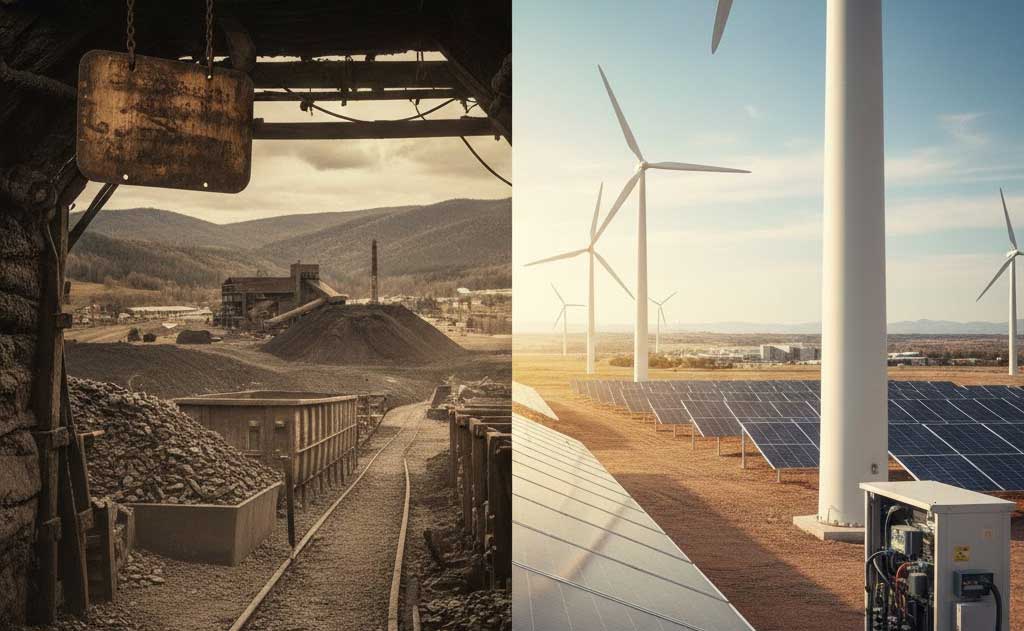
The American energy landscape is undergoing its most dramatic transformation in over a century. As the nation shifts from fossil fuels toward renewable energy sources, millions of workers are navigating a fundamental reshaping of the energy sector. This transition represents both challenge and opportunity, as traditional coal mining jobs decline while solar farms, wind installations, and clean energy infrastructure create new career paths across the country.
The Decline of Traditional Energy Employment
For generations, coal mining represented the backbone of American energy production and provided stable, well-paying jobs in communities across Appalachia, Wyoming, and other resource-rich regions. However, the landscape has changed dramatically over the past two decades.
Coal Industry Employment Trends
Coal mining employment in the United States has declined significantly since its peak in the 1920s when nearly 800,000 Americans worked in mines. By 2026, fewer than 40,000 workers remain directly employed in coal mining, a sharp drop from approximately 90,000 in 2012. This decline reflects multiple factors including automation, cheaper natural gas, renewable energy competition, and environmental regulations.
The communities most affected by coal’s decline face economic challenges that extend far beyond individual job losses. Entire towns built around mining operations struggle as tax revenues decline, local businesses close, and younger residents leave to seek opportunities elsewhere.
Oil and Gas Sector Evolution
While not experiencing the same dramatic decline as coal, traditional oil and gas extraction jobs are also evolving. Automation and improved drilling techniques mean fewer workers are needed for extraction operations. However, unlike coal, the oil and gas sector has shown more resilience, with employment fluctuating based on global energy prices and domestic production levels.
In 2026, approximately 150,000 Americans work directly in oil and gas extraction, with hundreds of thousands more in related industries. However, even this sector recognizes the need for diversification as renewable energy becomes increasingly cost-competitive.
The Rise of Renewable Energy Careers
As traditional energy jobs decline, the renewable energy sector is experiencing explosive growth. Solar and wind energy installations are creating thousands of new positions annually, offering opportunities for both new entrants to the workforce and transitioning fossil fuel workers.
Solar Energy: America’s Fastest Growing Job Sector
Solar photovoltaic installer has consistently ranked among the fastest-growing occupations in America. The solar industry now employs over 250,000 Americans in various roles, from installation and maintenance to manufacturing and sales.
Solar installers earn median wages of approximately $48,000 to $55,000 annually, with experienced technicians and specialized roles commanding significantly higher salaries. The job requires technical skills but doesn’t necessarily require a four-year degree, making it accessible to workers transitioning from other industries.
The work itself varies from residential rooftop installations to massive utility-scale solar farms spanning thousands of acres. Large-scale projects in states like California, Texas, Arizona, and Nevada provide steady employment for crews that can number in the hundreds during peak construction phases.
Wind Energy: Turbines Turning Into Careers
Wind turbine technicians represent another rapidly expanding career path. With over 70,000 wind turbines now operating across the United States, the demand for skilled technicians to install, maintain, and repair these massive structures continues growing.
Wind tech positions offer median salaries around $56,000 to $62,000, with the added adventure of working at heights up to 300 feet above ground. The job requires technical expertise, physical fitness, and comfort with heights, but offers strong job security in a growing industry.
The geographic distribution of wind energy jobs has created opportunities in rural areas across the Great Plains, Midwest, and increasingly in offshore locations along the East Coast. Communities in Texas, Iowa, Oklahoma, and Kansas have seen significant wind energy job growth, providing new economic opportunities in agricultural regions.
Energy Storage and Grid Modernization
The expansion of renewable energy has created demand for energy storage specialists who work with battery systems and emerging storage technologies. These positions combine electrical engineering skills with knowledge of renewable energy systems, offering salaries ranging from $60,000 to over $100,000 depending on experience and specialization.
Grid modernization initiatives are also creating jobs for electrical engineers, technicians, and installers working to upgrade America’s aging power infrastructure to accommodate renewable energy sources and improve efficiency.
The Skills Gap: Bridging Old and New Energy Careers
While renewable energy jobs are growing, transitioning from coal mining or traditional energy roles to new positions isn’t always straightforward. However, many skills from fossil fuel industries translate well to renewable energy careers.
Transferable Skills from Mining to Renewables
Coal miners possess valuable skills that apply to renewable energy work including electrical systems knowledge, heavy equipment operation, mechanical troubleshooting, safety protocol expertise, and project coordination experience.
Underground miners often have extensive electrical knowledge from working with mine power systems. This expertise translates directly to solar and wind energy installation and maintenance. Similarly, experience with large-scale equipment operations and maintenance applies to wind turbine servicing and solar farm construction.
Training and Certification Programs
Recognizing the need to support workforce transitions, numerous programs have emerged to help fossil fuel workers gain renewable energy credentials. Community colleges across coal country offer solar installation certificates, wind technician training, and energy efficiency specialist programs.
Organizations like Solar Energy International and the North American Board of Certified Energy Practitioners provide industry-recognized certifications that can be completed in weeks or months rather than years. Many programs specifically target displaced coal workers, offering subsidized or free training.
The Department of Energy and various state governments have invested millions in retraining initiatives. Programs in West Virginia, Kentucky, Pennsylvania, and Wyoming specifically focus on helping coal workers transition to renewable energy careers, often including job placement assistance.
Geographic Shifts: Where the New Energy Jobs Are
The renewable energy boom is creating employment opportunities in different locations than traditional energy jobs, requiring some workers to relocate for new opportunities.
Solar Hotspots Across America
California leads the nation in solar employment with over 70,000 workers, followed by Texas, Florida, New York, and Arizona. However, solar jobs are expanding nationwide as installation costs decline and more states adopt renewable energy goals.
Interestingly, some of the fastest growth is occurring in states not traditionally associated with abundant sunshine. New Jersey, Massachusetts, and Maryland have seen significant solar job growth driven by state policies and incentives.
Wind Energy Centers
Wind energy employment concentrates in the Great Plains and Midwest. Texas employs the most wind energy workers, followed by Iowa, Oklahoma, Kansas, and Illinois. Coastal states are increasingly important as offshore wind development accelerates, with major projects planned for Massachusetts, New York, New Jersey, and Virginia.
Manufacturing Renaissance
Renewable energy equipment manufacturing is bringing jobs to regions that lost traditional manufacturing employment. Wind turbine component factories in states like Iowa, Colorado, and Kansas employ thousands. Solar panel manufacturing, while still heavily concentrated in Asia, is expanding domestically with new facilities in the Southeast and Midwest.
Beyond Installation: Diverse Renewable Energy Career Paths
While installation and maintenance jobs receive the most attention, the renewable energy sector offers diverse career opportunities spanning various skill levels and educational backgrounds.
Engineering and Design
Renewable energy projects require electrical engineers, mechanical engineers, civil engineers, and environmental engineers. These positions typically require four-year degrees and offer salaries ranging from $75,000 to over $120,000. Engineers design solar arrays, wind farms, energy storage systems, and grid integration solutions.
Project Management and Development
Large-scale renewable energy projects need skilled project managers to coordinate construction, manage budgets, and ensure timely completion. Project developers identify suitable locations, negotiate land deals, secure permits, and arrange financing. These roles typically require business backgrounds and offer substantial compensation, often exceeding $100,000 annually.
Operations and Maintenance
Once renewable energy facilities are operational, they require ongoing monitoring and maintenance. Operations managers oversee facility performance, coordinate repairs, and optimize energy production. These positions offer stable long-term employment in communities hosting renewable energy installations.
Sales and Installation Services
The residential solar market has created thousands of sales positions at solar installation companies. While compensation varies based on commission structures, successful solar sales representatives can earn $60,000 to over $100,000 annually.
The Economic Impact on Energy Communities
The transition from fossil fuels to renewables affects not just individual workers but entire communities built around traditional energy production.
Challenges for Coal Communities
Former coal mining towns face significant challenges as their primary economic driver disappears. Population decline, decreased tax revenues, and limited economic diversification create difficult circumstances. Communities in eastern Kentucky, West Virginia, and southwestern Pennsylvania have been particularly hard hit.
However, some communities are successfully pivoting. Former mining towns are attracting renewable energy projects, outdoor recreation businesses, and remote workers seeking affordable living costs and natural beauty.
New Opportunities in Rural America
Large-scale solar and wind farms provide new revenue streams for rural landowners through land leases. Farmers in Iowa, Kansas, and Texas earn steady income from wind turbines on their property while continuing to farm around them. Solar farms offer similar opportunities, though they require more land and preclude other uses during operation.
These projects also generate tax revenue for local governments, funding schools, infrastructure, and services. A single large wind or solar farm can generate millions in annual tax revenue for rural counties.
The Role of Policy and Investment
Government policies at federal and state levels significantly influence the pace and nature of energy workforce transitions.
Federal Initiatives
The Infrastructure Investment and Jobs Act and Inflation Reduction Act have directed billions toward clean energy development, creating direct and indirect employment opportunities. Tax credits for renewable energy projects make developments more financially viable, spurring job creation.
Federal job training programs specifically target coal communities, providing funding for education and retraining initiatives. The Department of Energy’s Office of Energy Efficiency and Renewable Energy supports workforce development programs nationwide.
State-Level Actions
Individual states have taken varied approaches to energy workforce transitions. States like Colorado and New Mexico have established dedicated offices to support coal communities in economic diversification. California, New York, and Massachusetts have aggressive renewable energy mandates driving job growth in those states.
Some states with significant coal interests have been slower to embrace renewable energy, creating different regional experiences for workers seeking new opportunities in the energy sector.
The Future Energy Workforce: What’s Coming Next
As America continues its energy transition, new types of energy jobs will emerge while current positions evolve.
Emerging Technologies and Career Paths
Hydrogen energy production and distribution is creating new specialized roles. Green hydrogen, produced using renewable electricity, requires workers skilled in both traditional chemical processing and renewable energy systems.
Carbon capture and storage technology, while controversial, is creating positions for engineers, technicians, and operators as some facilities attempt to reduce emissions from continued fossil fuel use.
Advanced battery manufacturing and recycling is an emerging sector requiring specialized skills. As electric vehicles and grid storage expand, battery production and end-of-life processing will employ thousands of workers.
The Continued Role of Fossil Fuels
Despite renewable energy growth, fossil fuels will remain part of America’s energy mix for years to come. Natural gas, in particular, continues serving as a transition fuel, maintaining employment in that sector. Oil and gas workers increasingly focus on improving efficiency and reducing emissions rather than simply maximizing production.
Some coal workers are finding new roles in mine reclamation, environmental restoration of former mining sites. This work requires understanding of mining operations combined with environmental restoration expertise.
Success Stories: Workers Who Made the Transition
Real-world examples illustrate both the challenges and possibilities of transitioning from traditional to renewable energy careers.
From Underground to Above Ground
Former coal miners in Wyoming have successfully retrained as wind turbine technicians, leveraging their electrical and mechanical skills in new settings. While the work environment differs dramatically from underground mining, many transferable skills make the transition smoother than expected.
New Opportunities for Welders and Electricians
Skilled tradespeople from coal country have found abundant opportunities in renewable energy construction and maintenance. Welders working on wind turbine towers, electricians wiring solar arrays, and heavy equipment operators building renewable energy facilities all report satisfaction with their career transitions.
Entrepreneurial Opportunities
Some former energy workers have started their own businesses in renewable energy, launching solar installation companies, energy efficiency consulting firms, or equipment maintenance services. Their technical expertise combined with entrepreneurial drive has created both jobs for themselves and employment for others.
Preparing for the Future: Advice for Energy Workers
For workers currently in traditional energy sectors or considering entering the energy field, several strategies can help navigate this evolving landscape.
Continuous Learning and Skill Development
The energy sector’s rapid evolution makes ongoing education essential. Workers should pursue relevant certifications, attend industry conferences, and stay informed about emerging technologies and trends. Many community colleges and online platforms offer affordable courses in renewable energy technologies.
Geographic Flexibility
While not everyone can or should relocate, workers open to geographic mobility have access to more opportunities. The willingness to work in different states or regions significantly expands available positions, particularly during career transitions.
Networking and Industry Connections
Building relationships with professionals in renewable energy sectors can provide valuable insights about opportunities and trends. Industry associations, professional groups, and online communities offer networking opportunities and job leads.
Considering Related Fields
Workers unable to transition directly into renewable energy installation might find opportunities in related areas like energy efficiency consulting, green building, electric vehicle infrastructure, or sustainable manufacturing.
Conclusion: Embracing Change in America’s Energy Future
The transformation of America’s energy workforce from coal mines to solar farms represents one of the most significant economic shifts of our era. While this transition creates genuine challenges for workers and communities tied to traditional energy industries, it also opens doors to new opportunities in growing sectors.
The renewable energy industry offers competitive wages, job security in an expanding field, and the satisfaction of contributing to environmental sustainability. For workers willing to embrace change, acquire new skills, and adapt to evolving technologies, the future energy workforce offers promising prospects.
Success in this transition requires collaboration between workers, employers, educators, and policymakers. Training programs must align with industry needs, while support systems help workers and communities navigate economic disruption. Investment in both renewable energy infrastructure and workforce development can ensure that America’s energy transition benefits workers across all regions and backgrounds.
As we look toward 2026 and beyond, the energy sector will continue evolving. The workers powering this transition—whether installing solar panels in Arizona, maintaining wind turbines in Iowa, or developing next-generation energy storage in California—are building America’s clean energy future while creating meaningful careers for themselves and generations to come.
About VFuture Media
VFuture Media provides insights into technological transformation and emerging career opportunities. Explore how innovation is reshaping industries and creating new pathways to success.
Related Topics: workforce development, career transitions, renewable energy training, sustainable employment, clean tech jobs, energy policy, economic development, green economy, climate jobs, workforce retraining
Ethan Brooks covers the tech that’s reshaping how we move, work, and think — for VFuture Media. He was at CES 2026 in Las Vegas when the world got its first real look at humanoid robots, AI-powered vehicles, and Samsung’s tri-fold phone. He writes about AI, EVs, gadgets, and green tech every week. No hype. No filler. X · Facebook



Leave a Comment