
By Ethan Brooks Published: May 15, 2026 | vfuturemedia.com
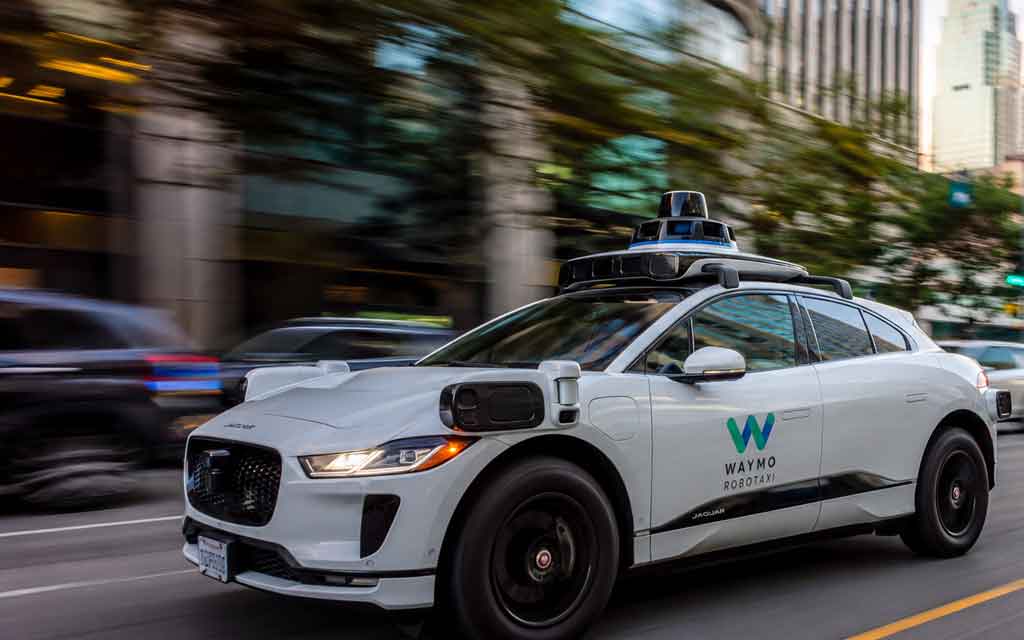
Waymo announced this week that it is significantly expanding its fully driverless robotaxi service across the United States. The company has now launched commercial operations in Austin and Miami, bringing its total active cities to four (joining Phoenix and San Francisco).
This marks the fastest expansion of unsupervised autonomous ride-hailing in American history.
Waymo Robotaxi 2026 Expansion Key Details
- New Cities: Austin (Texas) + Miami (Florida)
- Total Markets: Phoenix, San Francisco, Austin, Miami
- Fleet Size: Over 700 Jaguar I-Pace vehicles currently, expanding rapidly
- Availability: 24/7 driverless rides for public users via the Waymo app
- Pricing: Competitive with Uber/Lyft (often 20–40% cheaper during off-peak)
- Safety Record: Millions of autonomous miles with zero serious incidents in commercial service
Why Waymo’s Expansion Matters for Americans
American cities suffer from severe traffic congestion, high ride-hailing costs, and driver shortages. Waymo’s expansion delivers:
- Safer nighttime and airport rides (no human driver fatigue)
- Lower costs for daily commuters and families
- Greater mobility for seniors, disabled riders, and those without cars
- Reduced drunk driving incidents in nightlife-heavy cities like Austin and Miami
Waymo vs Tesla Robotaxi vs Cruise (Mid-2026 Comparison)
Waymo (Google)
- Cities Live: 4 cities (expanding)
- Fully Driverless: Yes (no safety driver)
- Vehicle Platform: Jaguar I-Pace
- Price per Mile: ~$0.80–1.50
- Availability: 24/7 in most operating zones
- US Data Advantage: 20M+ real-world autonomous miles
Tesla Cybercab
- Cities Live: None yet (2027 planned)
- Fully Driverless: Planned
- Vehicle Platform: Custom Cybercab
- Price per Mile: <$0.20 (target)
- Availability: 2027 rollout expected
- US Data Advantage: Massive simulation and fleet-learning data
Cruise (General Motors)
- Cities Live: Limited / paused operations
- Fully Driverless: Yes (with operational limits)
- Vehicle Platform: Custom GM platform
- Price per Mile: ~$1.20–2.00
- Availability: Restricted operating hours
- US Data Advantage: Strong technology base but currently paused operations
Standout Benefits for US Riders
- True Driverless — No safety driver in the vehicle for the vast majority of trips
- App Experience — Simple booking, in-app video monitoring, and child/unaccompanied minor support
- Weather & Traffic Handling — Proven performance in rain, fog, and heavy Texas/Florida traffic
- Integration — Partnerships with Uber for seamless multi-modal trips
- Accessibility — Wheelchair-accessible vehicles available on request
Pros and Cons for American Users
Pros:
- Already operating safely at commercial scale today
- Immediate availability in four major metros
- Strong backing from Alphabet/Google for long-term investment
- Proven public trust and high rider satisfaction scores
- Helps reduce traffic congestion and emissions in US cities
Cons:
- Still limited to specific geo-fenced areas within each city
- Surge pricing can occur during peak demand
- Rural and suburban coverage remains very limited
- Competition from upcoming Tesla and others will intensify pricing pressure
What This Means for You in 2026
If you live in Phoenix, San Francisco, Austin, or Miami, you can now reliably use a fully driverless Waymo for work commutes, nights out, airport runs, or family trips. For the rest of America, this expansion proves the technology is maturing fast — expect more cities (Atlanta, Dallas, Seattle, etc.) by late 2026 and 2027.
Practical Tips:
- Download the Waymo app and request an invite if waitlisted
- Try it first during daytime for comfort, then at night
- Compare real costs vs. owning a second car or traditional Uber
Final Thoughts
Waymo’s rapid 2026 expansion across four major US cities is a clear sign that robotaxis have moved from pilot projects to practical transportation. Google’s cautious, safety-first approach is paying off with real commercial success while competitors race to catch up.
For American cities struggling with traffic and mobility challenges, this technology could be transformative — saving time, reducing accidents, and lowering transportation costs for millions of families and businesses.
This is one of the most exciting real-world AI applications happening in America right now.
Stay tuned to vfuturemedia.com for rider experience reports, city-by-city guides, and comparisons as Waymo continues its nationwide rollout.
By Ethan Brooks Senior Future-Tech Analyst, vfuturemedia.com Specializing in autonomy, EVs, and future mobility for American consumers.




Leave a Comment