
By VFuture Media Staff Published: May 25, 2026 Austin, Texas
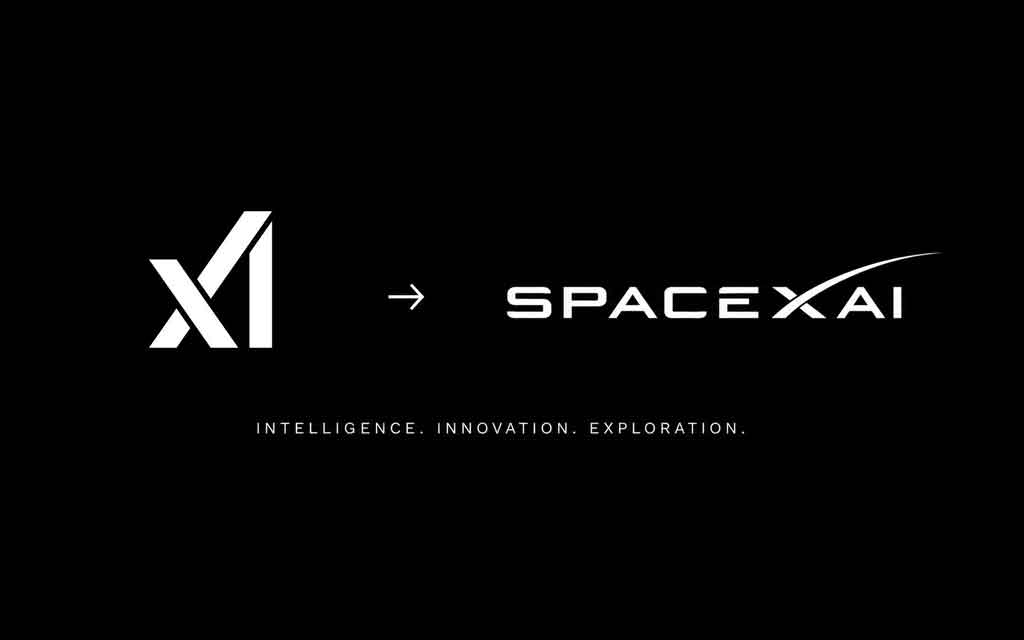
Elon Musk has officially dissolved xAI as an independent company and fully integrated its operations into SpaceX, rebranding the AI efforts as SpaceXAI — the internal AI division focused on “AI products from SpaceX.”
The announcement was made by Musk on X on May 6, 2026, stating: “xAI will be dissolved as a separate company, so it will just be SpaceXAI, the AI products from SpaceX.”
Key Details of the Restructuring
- Timeline: SpaceX acquired xAI in an all-stock deal in February 2026. The full dissolution and rebranding occurred in early May 2026, just months ahead of SpaceX’s anticipated IPO.
- What This Means: Grok AI models, the X platform (formerly Twitter), and related AI infrastructure now operate under the SpaceXAI umbrella within SpaceX. The standalone xAI entity no longer exists.
Strategic Reasons Behind the Move (U.S. Perspective)
This consolidation is widely viewed as preparation for SpaceX’s potential initial public offering, which analysts project could value the combined company between $1.5 trillion and $2 trillion — potentially one of the largest IPOs in U.S. history.
Main drivers include:
- Boosting IPO Valuation: Integrating xAI’s high-growth AI assets and massive compute infrastructure (including the Colossus supercluster) makes SpaceX more attractive to U.S. investors as both a space exploration leader and an AI powerhouse.
- Space-Based AI Ambitions: Musk has emphasized moving large-scale data centers to space to bypass U.S. electricity grid constraints. The U.S. power grid is currently limited to about 0.5 terawatts, while Musk’s long-term vision requires vastly more compute capacity.
- Vertical Integration: Combining SpaceX’s Starlink satellite network, launch capabilities, and now advanced AI creates a tightly integrated American technology stack for future applications in national security, communications, autonomous systems, and deep-space exploration.
Impact on the U.S. Tech Landscape
- Talent and Employment: While some AI researchers have left since the February merger (reports indicate over 50 departures), SpaceXAI continues aggressive hiring across the U.S., particularly in Texas and California. Musk recently posted calls for world-class engineers and physicists to join SpaceXAI, even those without prior AI experience.
- Partnerships: The move coincides with SpaceX granting Anthropic access to significant compute resources, strengthening U.S.-based AI collaboration while keeping critical infrastructure under American control.
- Regulatory and Market Implications: The restructuring simplifies Musk’s corporate empire ahead of heightened scrutiny from U.S. regulators. It also positions SpaceXAI as a major domestic competitor to OpenAI, Google DeepMind, and Anthropic.
Market Reaction
Private valuation talks for SpaceX have intensified following the announcement, with optimism high on Wall Street about AI-enhanced space technology. xAI’s previous standalone valuation had exceeded $200 billion; those assets now strengthen SpaceX’s balance sheet.
Musk, who leads SpaceX, Tesla, X, and Neuralink, described the change as a natural evolution rather than an end for the AI initiatives.
VFuture Media Analysis (U.S. Focus): For American investors and technologists, this represents a significant consolidation of cutting-edge capabilities under one U.S.-headquartered company. It accelerates Musk’s vision of making humanity multi-planetary while addressing domestic AI infrastructure challenges. However, it also concentrates enormous technological and economic influence in a single ecosystem, which could draw continued antitrust attention in Washington.
The story continues to develop, particularly as SpaceX moves closer to its IPO and SpaceXAI rolls out new model updates. VFuture Media will provide ongoing coverage focused on U.S. implications, market reactions, and technological breakthroughs.


Leave a Comment