
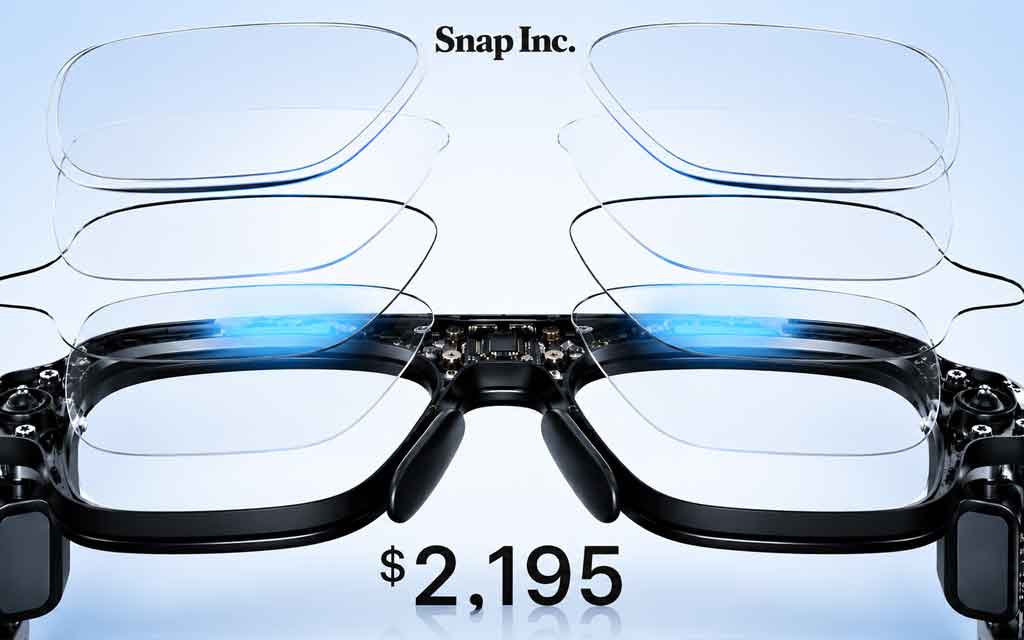
Snap’s long-awaited Specs AR glasses are here with see-through displays, hand tracking, and standalone operation. Full specs, $2,195 price, US availability, and how they compare to Meta Ray-Ban for American early adopters.
Introduction: Snap Bets Big on the Post-Smartphone Era
Snap has officially launched its highly anticipated consumer AR glasses, called Specs, at the Augmented World Expo (AWE) 2026. Priced at $2,195, these standalone augmented reality glasses represent a bold step toward wearable computing that overlays digital content onto the real world without needing a tethered phone.
For US tech enthusiasts, creators, and early adopters, Specs promise immersive experiences like real-time translation, gaming, navigation, and AI assistance directly in your field of view. But at this premium price, are they ready for prime time or still an expensive experiment?
Key Specs and Hardware Details
The new Specs are significantly improved over previous developer-focused Spectacles:
- Display: See-through AR lenses with a ~51° diagonal field of view (wider than many competitors).
- Processors: Dual Snapdragon chips for smooth performance.
- Battery: Up to 4 hours of continuous use; included charging case adds another ~16 hours (total ~20 hours).
- Weight: 132g (47mm frame) or 136g (52mm frame) — lighter than developer versions but chunkier than Meta Ray-Ban smart glasses.
- Features: Advanced hand tracking, electrochromic lenses (auto-dimming for sunlight), prescription lens inserts, spatial audio, cameras, and full Snap OS 2.0 with support for thousands of Lenses.
- Design: Available in multiple sizes and colors; designed for all-day wear with a more consumer-friendly (though still noticeable) look.
They run fully standalone on Snap OS, with deep integration for OpenAI and Google Gemini AI models.
Pricing and US Availability
- Price: $2,195 (includes charging case).
- Pre-order: Open now at specs.com with a $200 refundable deposit.
- Shipping: Fall 2026 in the US, UK, and France. Wider availability expected later.
This positions Specs as a premium/early-adopter product — more expensive than Meta’s Ray-Ban smart glasses but far below Apple Vision Pro territory.
How Specs Compare to Competitors
| Feature | Snap Specs (2026) | Meta Ray-Ban (2025/26) | Apple Vision Pro |
|---|---|---|---|
| Price | $2,195 | ~$300–$800 | $3,499+ |
| AR Type | True see-through AR | Camera-based passthrough | Full spatial computing |
| Battery (Continuous) | ~4 hours (+ case) | All-day | ~2 hours |
| Field of View | ~51° | Limited | Wide |
| Weight | 132–136g | ~50–70g | 600g+ |
| Standalone | Yes | Phone-dependent (mostly) | Yes |
| Best For | Immersive AR experiences | Everyday smart features | High-end productivity |
Real-World Use Cases for American Consumers
- Productivity: Real-time AI overlays, translation, navigation, and note-taking while walking or working.
- Entertainment: AR gaming, social Lenses with friends, immersive content consumption.
- Daily Life: Hands-free directions, object recognition, live captions, and creative tools for creators.
- Accessibility: Prescription support and potential for enhanced vision features.
Early feedback highlights strong potential for “spatial computing” but notes the chunky design and high price as barriers for mainstream adoption.
Challenges and Criticisms
- Design: Many call the look “goofy” or bulky compared to regular glasses.
- Battery Life: 4 hours is decent for true AR but limits all-day use.
- Price: Puts it out of reach for most consumers; Snap hopes developer ecosystem and future iterations will drive prices down.
- Competition: Meta’s more affordable options and upcoming Android XR glasses will pressure Snap.
Stock reaction was mixed, with shares dipping on launch day amid concerns over mass-market readiness.
Future Outlook
Specs mark an important milestone in Snap’s decade-long bet on AR as the next computing platform. With thousands of Lenses already available and AI integrations, they could accelerate adoption if early users rave about the experience. Expect iterative improvements, price reductions, and broader availability in 2027–2028.
For US buyers: This is the closest thing yet to a true consumer AR computer. If you’re an early adopter or creator, pre-ordering now could get you in on the ground floor.
FAQ
Q: When will Snap Specs ship in the US? A: Fall 2026, with pre-orders open now.
Q: Can I use them with prescription lenses? A: Yes — they support snap-in prescription inserts.
Q: How do they compare to Meta Ray-Ban glasses? A: Specs offer true AR overlays and standalone power; Ray-Ban excels at affordable camera/AI features and comfort.
Conclusion: Snap’s $2,195 Specs AR glasses are a bold leap into the future of wearable computing. While the price and design limit immediate mass appeal, the technology inside points toward a world where AR enhances everyday life. For US tech fans ready to invest in the post-smartphone era, these could be the most exciting gadget of 2026. Pre-order carefully and watch for hands-on reviews this fall.
Sources: Snap official announcements, The Verge, TechCrunch, UploadVR, CNET, 9to5Google, and AWE 2026 coverage (as of June 17, 2026). For informational purposes only.




Leave a Comment