

Google’s AI-Powered Mission to Sequence Every Species on Earth: Preserving the Genetic Blueprint of Life in Days
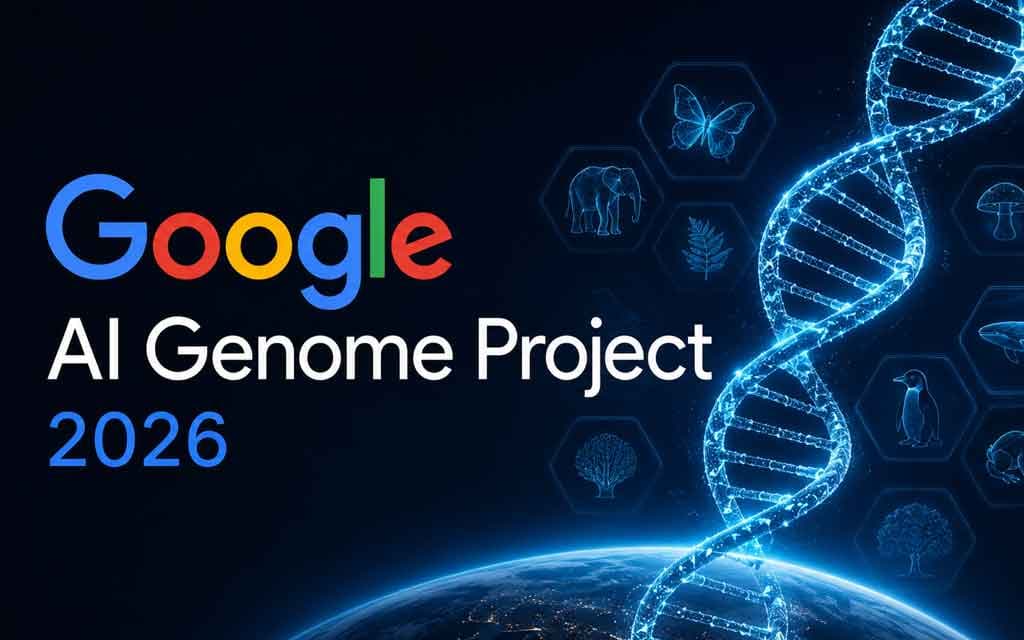
NEXT_PUBLIC_GOOGLE_ADSENSE_ID to enableIn a landmark initiative announced in early 2026, Google is deploying advanced AI tools to dramatically accelerate genome sequencing of animals and other species. The goal? To help preserve the genetic information of every known species on Earth as part of the ambitious Earth BioGenome Project (EBP). What once took 13 years and $3 billion for the human genome can now be done in days for a fraction of the cost.
Google’s AI tools — including DeepVariant, DeepConsensus, and DeepPolisher — are enabling scientists to sequence high-quality genomes faster, cheaper, and more accurately than ever before.
The Project: From 13 Endangered Species to a Global Genetic Library
Google is partnering with The Rockefeller University, the Vertebrate Genomes Project (VGP), and the broader Earth BioGenome Project, which aims to sequence all ~1.5–1.8 million known eukaryotic species (animals, plants, fungi, etc.).
Key Milestones So Far (as of February 2026):
- Successfully sequenced genomes of 13 endangered species, including:
- African penguins
- Grevy’s zebras
- Cotton-top tamarins
- Golden mantella frogs
- Funding through Google.org AI for Science to sequence 150 additional endangered species.
- All data is being made openly available to scientists and the public for conservation efforts.
This genetic “ark” could prove critical as scientists predict up to one million species face extinction due to climate change, habitat loss, and other threats. The data supports breeding programs, understanding genetic diversity, disease resistance, and even potential de-extinction efforts.
How Google’s AI Makes It Possible
Traditional sequencing was slow and expensive. Google’s AI models now polish raw sequencing data, correct errors, and assemble complete genomes in record time. This democratizes access for researchers worldwide, especially in biodiversity hotspots.
Is It Legal?
Yes — fully legal and supported by international frameworks.
- The project operates under established scientific protocols for wildlife research, often requiring permits from national governments and wildlife authorities (e.g., CITES for endangered species).
- Samples are typically collected non-invasively or from ethical sources (e.g., zoos, conservation programs, or deceased animals).
- Data is shared openly under open-access principles similar to the Human Genome Project, promoting global scientific collaboration.
- No evidence of violations of biodiversity laws like the Convention on Biological Diversity (CBD), which encourages benefit-sharing from genetic resources. Google and partners emphasize transparent, non-commercial conservation use.
Is It Ethical?
Overwhelmingly yes, with strong ethical safeguards.
Pros:
- Conservation Impact: Provides irreplaceable data for saving endangered species and restoring ecosystems.
- Open Science: Free public data accelerates global research without profit-driven restrictions.
- Biodiversity Legacy: Creates a permanent digital record of life on Earth before potential losses.
- No Direct Harm: Sequencing itself doesn’t involve genetic modification or cloning at this stage.
Potential Concerns & Mitigations:
- Biopiracy Risk: Critics of large-scale genomic projects sometimes worry about exploitation of resources from developing countries. The EBP includes ethical frameworks for equitable benefit-sharing and involvement of local scientists.
- Data Misuse: Open data could theoretically be used for commercial biotech or synthetic biology. However, the project prioritizes conservation, and Google applies responsible AI practices.
- Animal Welfare: Sample collection follows strict ethical guidelines (e.g., IACUC standards in the US).
- Equity: Efforts focus on including researchers from biodiversity-rich regions in the Global South.
Overall, leading bioethicists view this as a net positive for planetary health, aligning with global goals like the UN’s biodiversity targets.
What This Means for the Future
Google’s involvement signals Big Tech’s growing role in environmental science. Combined with tools like AlphaGenome (DeepMind’s DNA interpretation model), this could unlock breakthroughs in medicine, agriculture, and climate resilience.
At Vufutre Media, we see this as one of the most hopeful AI applications of 2026 — using cutting-edge technology not just to innovate, but to protect the natural world we all depend on.
What do you think? Is Google’s AI genome project a genuine force for good, or do you have concerns about data ownership and potential misuse? Share your views in the comments below.
Last updated: May 20, 2026. Sources include Google’s official blog, Earth BioGenome Project reports, and partner announcements.
NEXT_PUBLIC_GOOGLE_ADSENSE_ID to enable

