

Alphabet (Google) is being added to the Dow Jones Industrial Average, replacing Verizon. Here’s what this change signals about the evolving U.S. economy and the rise of AI-driven tech.
The Dow Jones Industrial Average is getting a high-profile upgrade.
Alphabet Inc. (Google’s parent company) is being added to the iconic 30-stock index, replacing Verizon Communications. The change, effective in the coming days, marks a clear symbolic and economic transition: the market is increasingly rewarding companies at the forefront of artificial intelligence, cloud computing, and digital platforms over traditional telecommunications giants.
This isn’t just a routine index rebalancing. It reflects deeper shifts in where value is being created in the American economy.
Why Alphabet? Why Now?
Alphabet’s inclusion makes strong fundamental sense:
- Massive Scale and Influence: With a market capitalization well into the trillions, Alphabet is one of the most valuable and influential companies in the world.
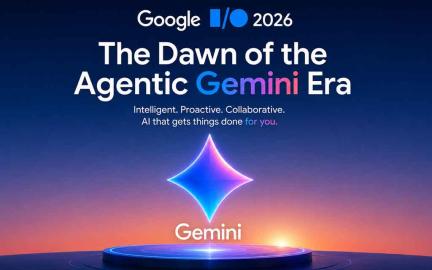
- AI Leadership: Through Google DeepMind, Gemini models, and widespread integration of AI across Search, YouTube, Cloud, and Android, Alphabet is positioned as a central player in the current AI boom.
- Diversified Growth: Beyond advertising (its core business), the company has built significant revenue streams in cloud computing, hardware, and emerging AI services.
In contrast, Verizon has faced headwinds typical of legacy telecom: intense competition in wireless, slower growth in traditional services, and challenges adapting to a world where connectivity is increasingly commoditized while intelligence (AI) becomes the new battleground.
The Dow’s committee appears to be recognizing that the companies driving long-term economic growth and innovation have shifted decisively toward tech platforms and AI infrastructure.
What This Means for the Dow and Markets
The Dow Jones is a price-weighted index, so the addition of a high-priced stock like Alphabet (currently trading well above $150–$200 range in recent periods) will have an outsized impact on how the index moves. It also changes the character of the average:
- Greater exposure to technology and AI
- Reduced weighting in traditional telecom
- A signal that the index is evolving to better reflect the modern economy
While the S&P 500 and Nasdaq are often seen as more representative of the broader market (especially tech-heavy growth), the Dow still carries significant psychological and media weight. Adding Google reinforces the narrative that AI and digital platforms are now core pillars of American economic strength.
Broader Implications
1. Validation for AI Leaders Alphabet’s addition is another data point showing that investors and index providers are rewarding companies aggressively investing in and deploying AI. This comes at a time when AI infrastructure spending and product integration are accelerating across Big Tech.
2. Pressure on Legacy Sectors For companies like Verizon and other traditional telecom or industrial names still in the Dow, the message is clear: adapt or risk being seen as less central to future growth. The index is slowly but steadily rotating toward sectors with stronger secular tailwinds.
3. Investor Sentiment For everyday investors, this change is a reminder of how indices evolve. The Dow is no longer dominated by the industrial giants of the 20th century. It increasingly reflects the digital and AI-powered economy of the 21st.
4. Symbolism vs. Substance While symbolically powerful, the practical impact on most portfolios is modest. The Dow is just one of many benchmarks, and many investors track broader indices like the S&P 500 or total market funds. Still, the optics matter — especially in media coverage and public perception of economic leadership.
The Bigger Picture
This swap is part of a longer-term trend. Over the past two decades, the Dow has gradually moved away from traditional manufacturing and telecom toward technology, healthcare, and consumer platforms. Alphabet’s addition accelerates that evolution at a moment when AI is reshaping nearly every industry.
It also highlights the remarkable speed at which AI has moved from experimental technology to core economic infrastructure. Companies that successfully integrate AI at scale are being rewarded with higher valuations and greater influence in major indices.
What Investors Should Watch
- How Alphabet’s stock performs in the days following the addition (index inclusion effects can sometimes create short-term buying pressure).
- Whether other AI-heavy companies (Microsoft, Nvidia, Amazon, etc.) see continued strength or face rotation as the market digests this symbolic shift.
- Verizon’s reaction and any strategic moves it makes to reposition itself in a more AI-centric world.
The Dow Jones adding Google while removing Verizon isn’t just a footnote in financial news. It’s a clear signal that the market’s center of gravity continues to shift toward companies building the intelligent systems that will define the next era of economic growth.
What do you think? Does Alphabet’s addition to the Dow reflect real economic transformation, or is it mostly symbolic? How do you see AI leaders continuing to reshape traditional market indices?



Leave a Comment