

Microsoft’s AI Chief, Mustafa Suleyman, has made a bold prediction: most computer-based white-collar tasks could be fully automated by AI within the next 12-18 months. He envisions AI agents managing complex workflows in organizations as soon as two to three years from now.
This statement comes amid Microsoft’s aggressive push into AI development, including plans for massive investments in gigawatt-scale AI systems and efforts to achieve greater independence from its long-time partner, OpenAI.
The Bold Prediction from Mustafa Suleyman
In recent interviews, including one with the Financial Times, Suleyman—CEO of Microsoft AI—described Microsoft’s pursuit of “professional-grade AGI” (Artificial General Intelligence) capable of performing nearly everything a human professional does. He warned that nearly anyone working primarily on a computer faces significant automation risk in the very near term.
Suleyman highlighted that AI will soon handle routine and even sophisticated knowledge work, from data analysis and reporting to more intricate processes in fields like law, accounting, finance, and administration. This isn’t just augmentation—it’s full replacement of repetitive or rule-based tasks.
He also projected that within 2-3 years, AI agents (autonomous systems that can plan, execute multi-step tasks, and integrate across tools) will orchestrate entire complex workflows in enterprises, transforming how organizations operate.
Microsoft’s Massive AI Investment Push
This vision aligns with Microsoft’s strategic shift toward AI self-sufficiency. Following a restructuring of its OpenAI partnership, the company is building its own frontier AI models using gigawatt-scale compute resources and top-tier training teams.
Suleyman has emphasized developing in-house capabilities to reduce reliance on external partners like OpenAI. Reports indicate Microsoft is committing enormous capital—potentially hundreds of billions over the coming decade—to stay competitive in the race for advanced AI, including superintelligence efforts focused on human-aligned systems.
These investments aim to power tools like enhanced versions of Copilot and new agentic AI platforms that could disrupt traditional software and SaaS models.
Pushback from Professionals and Experts
Not everyone is convinced. Many professionals and industry observers have pushed back against Suleyman’s timeline, arguing that true automation of white-collar roles faces significant hurdles:
- Human judgment remains essential in nuanced, ethical, or high-stakes decisions.
- Liability issues—who is responsible when an AI makes a costly error?
- Regulatory barriers around data privacy, bias, and accountability are still evolving.
- Historical precedents show AI leaders often overpromise on timelines (e.g., past hype cycles around self-driving cars or general automation).
Critics point out that while AI excels at specific tasks today, fully autonomous handling of complex, context-dependent workflows is still emerging. Economists note that AI is already impacting entry-level white-collar hiring, but widespread displacement may take longer than 12-18 months.
What This Means for the Future of Work
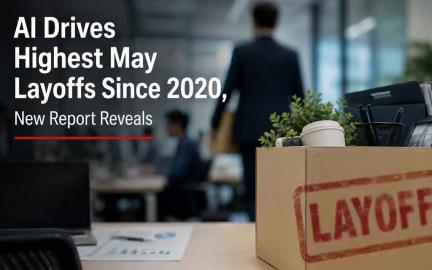
Suleyman’s comments underscore a pivotal moment in AI adoption. If his prediction holds, businesses could see rapid productivity gains—but also workforce upheaval. Roles involving data entry, basic analysis, report generation, and even some decision support may vanish or evolve dramatically.
On the flip side, new opportunities could emerge in AI oversight, training agents, ethical governance, and creative/human-centric tasks that machines struggle with.
For professionals: Upskilling in AI literacy, prompt engineering, agent management, and domain expertise combined with technology will likely become essential.
Final Thoughts
Mustafa Suleyman’s forecast is ambitious and provocative, reflecting Microsoft’s high-stakes bet on AI dominance. Whether the 12-18 month timeline for broad white-collar automation materializes remains to be seen, but the direction is clear—AI agents are coming for knowledge work faster than many expect.
Stay informed as this evolves. The next 1-3 years could redefine careers, businesses, and economies.
What are your thoughts on AI automating white-collar jobs so soon? Share in the comments below!
For more insights on emerging tech trends, AI developments, and future media strategies, visit vfuturemedia. Subscribe for updates on how AI is reshaping industries.
Ethan Brooks covers the tech that’s reshaping how we move, work, and think — for VFuture Media. He was at CES 2026 in Las Vegas when the world got its first real look at humanoid robots, AI-powered vehicles, and Samsung’s tri-fold phone. He writes about AI, EVs, gadgets, and green tech every week. No hype. No filler. X · Facebook
The future doesn’t wait — and neither should your feed. If this got you thinking, there’s plenty more where that came from. Browse our latest at VFutureMedia and stick around.


Leave a Comment