

Volkswagen is preparing one of the largest corporate layoffs in modern history, with plans to eliminate more than 100,000 jobs as it grapples with the costly and complex transition to electric vehicles. The move underscores the severe pressures facing legacy automakers in Europe as they confront slowing EV demand, intense global competition, and structural cost disadvantages.
This scale of workforce reduction would represent a seismic shift for Germany’s industrial heartland and serve as a stark warning for traditional car companies still struggling to adapt to the electric future.
The Scale of the Cuts
Reports indicate Volkswagen is targeting more than 100,000 positions across its operations, with the majority expected in Germany. This would be one of the biggest single-company layoffs on record, surpassing many high-profile restructuring efforts from previous decades.
The cuts come on top of earlier efficiency measures and reflect deep concerns about profitability in the electric vehicle segment. Despite strong sales of certain ID models in Europe earlier in 2026, overall margins remain under pressure due to high development costs, factory underutilization, and pricing competition.
VW executives have framed the restructuring as necessary for long-term survival, citing the need to reduce fixed costs and accelerate the shift toward more competitive electric platforms.
Why Volkswagen Is in This Position
Several interconnected challenges have brought VW to this point:
- High structural costs — German labor agreements, generous benefits, and legacy manufacturing footprints create significantly higher per-vehicle costs compared to newer competitors.
- EV transition struggles — While the ID family has shown growth in some periods, overall electric vehicle profitability has lagged behind expectations. High battery and development costs have not yet been fully offset by scale or pricing power.
- Intense competition — Tesla continues to gain share with strong product execution and software advantages. Chinese manufacturers have entered Europe with aggressive pricing on well-equipped EVs, squeezing margins across the board.
- Slowing European EV demand — Broader market growth has moderated due to reduced incentives in some countries, higher interest rates, and consumer caution. This has left many legacy factories running below optimal capacity.
- Portfolio complexity — Managing a vast range of combustion, hybrid, and electric models across multiple brands has added cost and complexity during the transition.
These pressures have created a situation where VW must dramatically reduce its cost base to remain competitive in a market that increasingly rewards efficiency and scale.
Impact on Germany and the European Auto Industry
A cut of this magnitude would send shockwaves through Germany’s economy. The automotive sector remains a cornerstone of German industrial strength, employing hundreds of thousands directly and supporting millions more in the supply chain.
Regions heavily dependent on VW plants — such as Lower Saxony and parts of eastern Germany — could face significant economic and social strain. Worker representatives and unions are expected to push back hard, potentially leading to prolonged negotiations or political intervention.
For the wider European auto industry, the VW restructuring serves as a clear signal that the EV transition is proving more difficult and expensive than many anticipated. Other legacy manufacturers facing similar cost structures may be forced to consider comparable actions if they cannot improve competitiveness quickly.
This moment highlights the tension between Europe’s climate goals and the industrial reality of retooling a century-old industry.
Contrast with More Agile Competitors
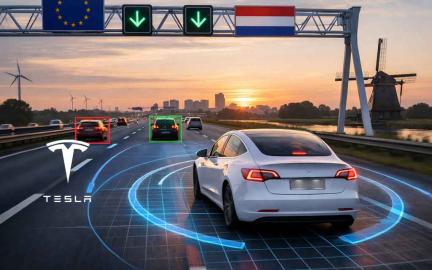
The situation at Volkswagen stands in sharp contrast to the performance of more nimble players. Tesla, for example, has continued to grow volumes in Europe even amid broader market challenges, thanks to its focused product lineup, software integration, and direct sales model.
Newer entrants and Chinese manufacturers have also demonstrated the ability to bring competitive EVs to market faster and at lower cost structures. This has forced traditional automakers like VW into a difficult middle ground — too slow to match the disruptors on cost and speed, yet burdened with legacy obligations that newer players never carried.
The gap in execution speed and cost discipline has become one of the defining features of the current EV transition.
What This Means for the Global Auto Industry
Volkswagen’s planned cuts illustrate a broader reckoning underway in the automotive sector. The shift to electric vehicles is not simply a technology change — it is a fundamental reset of cost structures, business models, and competitive dynamics.
Companies that entered the EV era with lower fixed costs, more agile operations, and stronger software capabilities have gained significant advantages. Legacy manufacturers with complex global footprints and high labor costs are now being forced into painful restructuring to catch up.
For American automakers and suppliers, the VW situation offers both a cautionary tale and an opportunity. U.S. companies that have moved more decisively on EV platforms and manufacturing efficiency may find themselves in a stronger relative position as European legacy players retrench.
At the same time, the human and economic costs of such large-scale layoffs highlight the need for thoughtful industrial policy that supports workers during major technological transitions.
Challenges and Risks Ahead
Executing cuts of this size carries substantial risks for Volkswagen:
- Loss of institutional knowledge and engineering talent could slow future product development.
- Damage to employee morale and brand reputation in its home market.
- Potential supply chain disruptions if key suppliers are affected.
- Political and social backlash in Germany, where automotive jobs carry significant cultural weight.
VW will need to manage the restructuring carefully while continuing to invest in next-generation electric platforms and software capabilities if it hopes to regain competitiveness.
Outlook for Volkswagen and the EV Transition
Despite the painful cuts, Volkswagen retains substantial strengths — strong brand recognition, a broad dealer network across Europe, and significant engineering resources. If the company can successfully reduce its cost base and accelerate development of more competitive and profitable EVs, it could stabilize and eventually return to growth.
However, the road ahead will be difficult. The EV market is becoming more competitive by the month, and the window for legacy automakers to close the gap with faster-moving rivals is narrowing.
The planned job reductions represent a necessary but painful acknowledgment that the old way of doing business is no longer sustainable in the electric era.
Frequently Asked Questions
Why is Volkswagen cutting so many jobs? Primarily to reduce high structural costs and improve competitiveness as it transitions to electric vehicles amid slowing demand and intense global competition.
How does this compare to other major layoffs? At over 100,000 positions, it would rank among the largest single-company workforce reductions in recent corporate history.
Will this affect VW’s EV plans? The company has stated the restructuring is designed to strengthen its long-term EV future by lowering costs and improving efficiency.
What does this mean for European workers? It signals significant disruption ahead for automotive employment in Germany and across Europe as the industry restructures for the electric age.
Is this the end for traditional automakers? Not necessarily, but it highlights that legacy companies must move much faster on cost, product development, and business model innovation to survive and thrive.
The Bottom Line
Volkswagen’s plan to cut more than 100,000 jobs marks a historic and painful chapter in the company’s long history. It reflects the harsh realities of the electric vehicle transition for legacy automakers burdened with high costs and complex operations.
While the cuts are necessary for survival, they also serve as a powerful reminder that technological shifts of this magnitude create winners and losers — and that execution speed and cost discipline matter enormously.
For American innovators and more agile global players, the situation at Volkswagen represents both a cautionary tale and a competitive opening. The companies that can deliver compelling electric vehicles efficiently and at scale are pulling ahead.
The road to an all-electric future is proving longer and more difficult for some than others. Volkswagen’s massive restructuring shows just how high the stakes have become.
What do you think legacy automakers like VW need to do differently to compete more effectively in the EV era? Share your thoughts in the comments.
Leave a Comment