

Trump Postpones AI Executive Order Amid Industry Pushback
NEXT_PUBLIC_GOOGLE_ADSENSE_ID to enableBy VFuture Media Editorial Team | May 26, 2026
In a stunning turn of events that sent shockwaves through Silicon Valley and Washington, President Donald Trump abruptly postponed the signing of a major AI Executive Order just hours before it was set to happen. What was billed as a balanced step toward safeguarding America’s most powerful AI systems became a high-stakes drama of innovation vs. oversight — and innovation won the round.
The Order That Almost Was
The proposed executive order targeted frontier AI models — the ultra-advanced systems from companies like OpenAI, Anthropic, Google, and xAI. Its core ideas included:
- A voluntary 90-day pre-launch review process where AI developers could submit models for federal evaluation.
- Deeper involvement from national security agencies like the NSA and CISA to assess cybersecurity risks.
- Enhanced information sharing to protect critical U.S. infrastructure from potential AI-powered threats.
The move came after concerns over powerful new models, including Anthropic’s Mythos, which reportedly exposed thousands of unknown vulnerabilities.
It wasn’t meant to be heavy-handed regulation — the draft emphasized voluntary participation and explicitly avoided mandatory licensing. Yet, in Trump’s eyes, even that was too much.
“I Didn’t Like Certain Aspects of It”
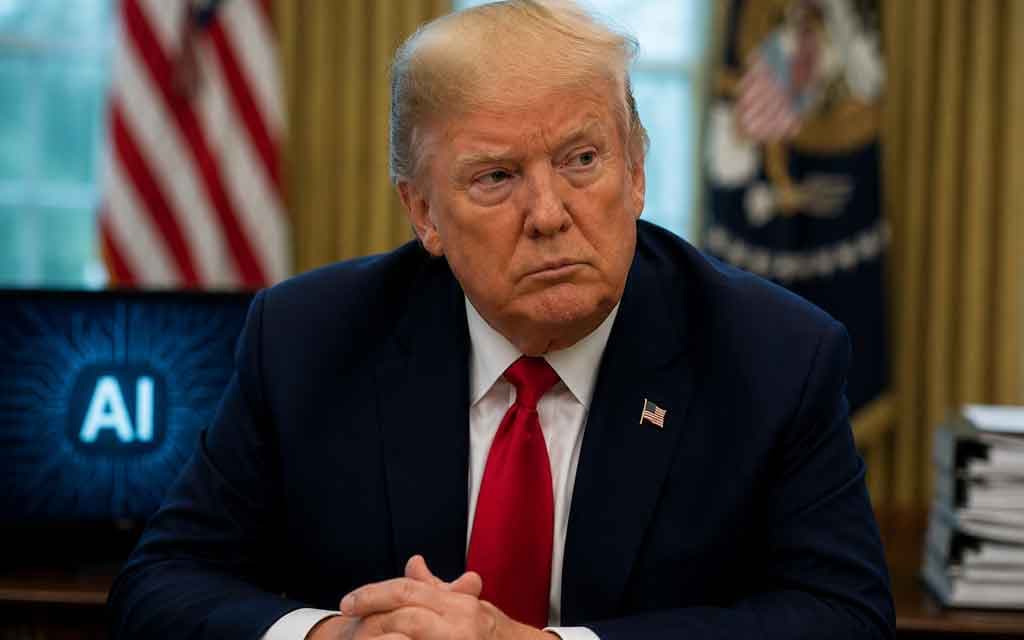
Speaking from the Oval Office, President Trump delivered the news with characteristic directness:
“Because I didn’t like certain aspects of it, I postponed it. We’re leading China, we’re leading everybody, and I didn’t want to do anything to get in the way of that lead.”
The signing ceremony — complete with invitations already sent to top tech CEOs — was suddenly off. What happened behind the scenes? Intense last-minute lobbying from some of America’s biggest tech power players.
Elon Musk (xAI), Mark Zuckerberg (Meta), and David Sacks (former White House AI & Crypto Czar) reportedly made direct appeals to the President. Their message was clear: Any new oversight, even voluntary, could slow U.S. innovation and hand an advantage to China in the global AI race.
What This Means for U.S. AI Leadership
This decision reinforces a clear America First accelerationist approach:
- Big Win for Speed: U.S. AI companies can push forward with next-generation models and agentic AI without immediate new federal hurdles.
- Continued Dominance: Keeps America aggressive in its competition with China and other global players.
- Lingering Questions: Raises concerns about unchecked cybersecurity risks, especially as frontier models grow more capable.
For startups, investors, and enterprises betting big on AI, the signal is loud: The current administration is prioritizing unleashed innovation over precautionary brakes.
The Road Ahead for American AI
While this order is on ice, the conversation around responsible AI development in the U.S. is far from over. Expect more voluntary partnerships between Big Tech and government rather than top-down mandates.
As the AI race intensifies, America’s strategy appears crystal clear: Stay ahead at all costs.
Stay tuned to VFuture Media for the latest USA AI news, policy shifts, and tech breakthroughs shaping the future. Whether you’re an investor, founder, or tech enthusiast, we cut through the noise with sharp, timely insights.
Sources: WSJ, Washington Post, Reuters, Politico, CNBC, AP News (as of May 26, 2026). All reporting focused exclusively on U.S. developments.
SEO Keywords: Trump AI Executive Order 2026, US frontier AI policy, Trump postpones AI regulation, Elon Musk Trump AI news, American AI competitiveness.
NEXT_PUBLIC_GOOGLE_ADSENSE_ID to enable

