

Introduction: Europe’s Electric Revolution
As the world accelerates toward sustainable transportation, one region stands distinctly ahead in the electric vehicle revolution. In 2026, Europe has emerged as the undisputed leader in EV adoption, outpacing both the United States and challenging China’s dominance through strategic policy implementation and infrastructure development.
This leadership position isn’t accidental. It’s the result of decades of coordinated effort combining strict environmental regulations, massive infrastructure investments, and comprehensive market incentives. For industry observers, investors, and sustainability advocates, understanding Europe’s success offers valuable insights into the future of global mobility.
Europe’s EV Market: The Numbers That Tell the Story
The European electric vehicle market has experienced explosive growth heading into 2026. Battery electric vehicles now command approximately 19-23% of new car registrations across the EU, with total plug-in vehicles (including hybrids) exceeding 30% in key markets.
These figures represent a dramatic shift in consumer behavior and market dynamics. Countries like Norway lead with an astounding 94-98% EV share, while Denmark exceeds 60%, and the Netherlands surpasses 35%. Even major automotive markets like Germany, France, and the UK are rapidly approaching the 20-30% threshold.
The impact on traditional vehicles has been equally dramatic. Gasoline vehicle sales dropped by 32% in France and 18.6% across the EU in 2025, signaling a fundamental transformation in European automotive preferences.
The Four Pillars of Europe’s EV Success
1. Regulatory Framework: Mandating Change
Europe’s approach centers on binding CO₂ emission standards that leave automakers no choice but to electrify. Under the Fit for 55 package, fleet-wide emission targets progressively tighten, with the landmark 2035 target requiring a 90% reduction in emissions from new vehicles.
Unlike voluntary programs or market-driven incentives alone, these mandatory standards create predictable demand and force industry-wide transformation. Manufacturers face substantial penalties for non-compliance, making EV production a business necessity rather than a marketing opportunity.
2. Infrastructure Investment: Building Confidence
Range anxiety remains one of the primary barriers to EV adoption globally, but Europe has addressed this challenge head-on. With over one million public charging points across the EU, plus extensive networks in Norway and Switzerland, the continent offers comprehensive coverage.
The Netherlands alone operates nearly 200,000 chargers, making it one of the world’s most EV-friendly nations. The EU’s Alternative Fuels Infrastructure Regulation ensures this expansion continues, creating a self-reinforcing cycle of adoption and infrastructure development.
3. Financial Incentives: Making EVs Accessible
While some national subsidies have evolved or phased out, Europe maintains a sophisticated incentive structure. Germany’s €3-5 billion program for 2026 specifically targets low and middle-income buyers, ensuring the transition doesn’t exclude economic diversity.
Corporate fleet mandates and favorable company car taxation drive significant volume in commercial markets. Urban low-emission zones in major cities create additional demand by restricting traditional vehicle access to city centers.
4. Industrial Innovation: European Brands Respond
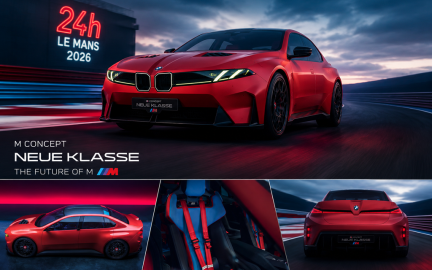
Major European manufacturers have committed massive resources to electrification. Volkswagen, BMW, Mercedes-Benz, and Renault are launching affordable models designed to compete across price points. The Renault 5 E-Tech exemplifies this trend toward accessible, practical electric vehicles for mass-market consumers.
Strategic tariffs on Chinese imports (17-38%) protect domestic production while encouraging local battery manufacturing and supply chain development, balancing global competition with regional industrial policy.
Global Context: How Europe Compares
Europe vs. China
China dominates global EV sales in absolute volume, with over 50% market share domestically and millions of units sold monthly. Chinese manufacturers like BYD and Geely have captured over 6% of the European market, with growth continuing.
However, Europe’s per-capita adoption rates and regulatory sophistication represent a different kind of leadership. While China excels in manufacturing scale and affordability, Europe demonstrates how mature, diverse markets can transition through comprehensive policy frameworks.
Europe vs. United States
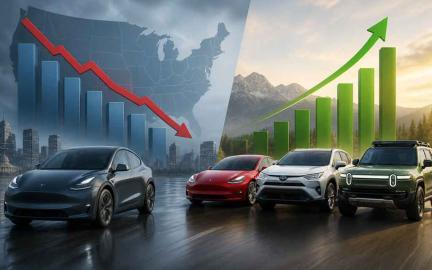
The contrast with the United States is even more striking. American EV market share hovers around 10% or lower in 2025-2026, hampered by policy uncertainty, expiring tax credits, and infrastructure gaps.
Europe’s mandatory standards stand in sharp contrast to America’s largely voluntary approach. This regulatory certainty provides automakers, investors, and consumers with the confidence needed for long-term planning and commitment.
Challenges on the Road Ahead
Despite its leadership position, Europe faces significant challenges in maintaining momentum:
Chinese Competition: Affordable imports continue pressuring European brands, while battery supply chain dependence on Chinese manufacturers creates strategic vulnerabilities.
Affordability Gaps: EVs remain more expensive than comparable internal combustion vehicles in many segments, though declining battery costs gradually improve this dynamic.
Policy Consistency: Recent adjustments to 2035 targets reflect industry pressure. Further regulatory dilution could undermine the certainty that has driven success.
Economic Headwinds: High energy prices and inflation affect consumer purchasing power, potentially slowing adoption rates despite strong policy support.
Why Europe’s Model Matters Globally
Europe’s electric vehicle transition demonstrates that ambitious, binding policies can drive rapid decarbonization when combined with infrastructure investment and targeted incentives. As transportation emissions decline, Europe simultaneously reduces oil import dependence, enhances energy security, and creates new industries and employment opportunities.
For policymakers worldwide, Europe’s experience offers a proven blueprint. The continent shows that regulation can accelerate market transformation beyond what pure market forces would achieve alone, providing valuable lessons for emerging economies planning their own transitions.
Conclusion: Leading the Charge
In 2026, Europe isn’t simply participating in the global EV transition—it’s defining what successful, rapid electrification looks like in practice. Through regulatory certainty, infrastructure investment, financial support, and industrial strategy, European nations have created a comprehensive ecosystem enabling mainstream electric mobility.
As other regions watch and learn, Europe’s continued success or challenges will shape global approaches to sustainable transportation for decades to come. The continent’s electric revolution represents more than automotive industry transformation—it’s a demonstration of how coordinated policy can drive fundamental economic and environmental change.
I’m Ethan, and I write about the tech that’s actually going to change how we live — not the stuff that just sounds impressive in a press release. I cover AI, EVs, robotics, and future tech for VFuture Media. I was on the ground at CES 2026 in Las Vegas, walking the show floor so I could give you a real read on what matters and what’s just noise. Follow me on X for daily takes.
Stay updated on the latest developments in electric vehicles, sustainable technology, and future mobility trends at vfuturemedia


Leave a Comment