
Published on December 20, 2025 | By VFuture Media Team
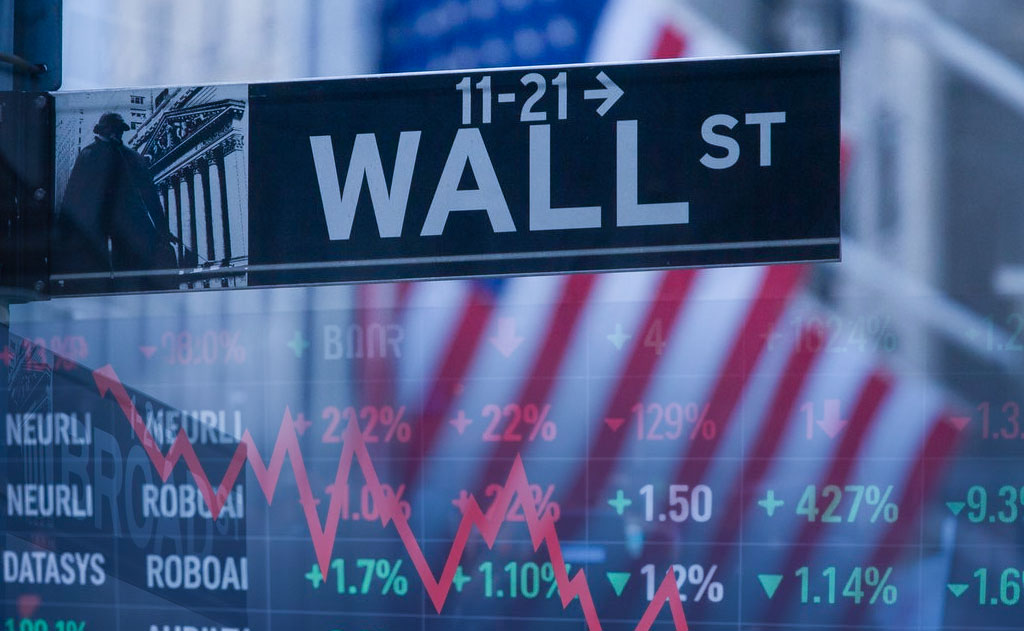
Imagine pouring trillions of dollars into a revolutionary technology, only to watch stock markets tumble as the promised profits remain elusive. That’s the gripping drama unfolding on Wall Street right now. As we hit mid-December 2025, fears of an “AI bubble” have sent shockwaves through the markets, with tech giants and AI darlings leading a sharp decline. Massive investments in artificial intelligence infrastructure haven’t yet translated into proportional returns, leaving investors questioning: Is this the peak of hype, or just a healthy correction in a transformative era?
The Trigger: Disappointing Earnings Reignite Bubble Fears
The latest sell-off gained momentum in early December, sparked by earnings reports from key AI players like Broadcom and Oracle. Despite beating revenue expectations and forecasting soaring AI demand, both companies saw their shares plunge—Broadcom dropped nearly 9% in one session, dragging down peers like Nvidia, AMD, and Micron.
Why the backlash? Investors are growing impatient. Broadcom warned of pressure on gross margins from AI-related sales, while Oracle’s mounting spending on data centers raised eyebrows about sustainability. As one analyst put it, “We’re in the phase where the rubber meets the road”—massive capex (capital expenditures) is flowing, but monetization lags behind.
This anxiety spilled over broadly:
- On December 12, the Nasdaq Composite plunged 1.7%, its worst day in weeks.
- The S&P 500 fell 1.1%, retreating from record highs.
- By mid-December, major indexes posted multiple losing sessions, with AI-exposed stocks like CoreWeave down over 60% from peaks.
Experts like JPMorgan’s Jamie Dimon have long cautioned that while “AI is real,” much of the invested capital could go to waste. A MIT study earlier in 2025 echoed this, finding 95% of organizations saw zero ROI from generative AI despite billions spent.
Why Now? The Mismatch Between Hype and Reality
The AI boom has been nothing short of extraordinary. Hyperscalers like Microsoft, Amazon, Google, and Meta have committed over $400 billion in 2025 alone to data centers and chips—driving half of U.S. GDP growth in some quarters. Nvidia, the poster child of AI hardware, has seen its valuation soar, briefly making it the world’s most valuable company.
Yet, the returns aren’t matching the frenzy:
- OpenAI, valued at $500 billion, projects revenues around $13-20 billion this year but massive losses.
- Circular investments (e.g., tech giants funding each other) inflate valuations without broad economic payoffs.
- Adoption slowdowns and high costs mean many enterprises are tightening belts.
This echoes historical bubbles—like the dot-com era—where exuberance outpaced fundamentals. But unlike pets.com flops, today’s AI builds real infrastructure. As one Fortune analysis noted, a “healthy” sell-off could recalibrate without a full crash, rotating capital to non-tech sectors.
Market Snapshot: Volatility Rules December
As of December 19, 2025:
- S&P 500: Around 6,843, up modestly on the day but down for the month amid choppy trading.
- Nasdaq: Tech-heavy index has borne the brunt, with multi-day declines snapping streaks.
- Standouts: Nvidia and Microsoft remain up YTD, but recent dips highlight fragility.
| Index | Recent Performance (Mid-Dec 2025) | Key Driver |
|---|---|---|
| S&P 500 | -1.1% (Dec 12 session) | Broad AI sell-off |
| Nasdaq | -1.7% (Dec 12), multi-day losses | Tech/AI stock pressure |
| Dow Jones | Mixed, less impacted | Shift to defensive sectors |
What Happens Next? Bubble Burst or Buying Opportunity?
Opinions are divided. Bulls argue AI’s transformative potential—like productivity boosts and new applications—will deliver long-term gains. Bears warn of overvaluation, with S&P 500 concentration in a few mega-caps at levels not seen since the dot-com peak.
Harvard experts call fears “overblown,” predicting no recession. Others, like Ray Dalio, see parallels to past manias. A soft landing? Possible, if AI adoption accelerates in 2026.
For investors, this volatility is a wake-up call: Diversify beyond Big Tech, watch ROI milestones, and remember—bubbles can inflate longer than expected, but corrections are inevitable.
I’m Ethan, and I write about the tech that’s actually going to change how we live — not the stuff that just sounds impressive in a press release. I cover AI, EVs, robotics, and future tech for VFuture Media. I was on the ground at CES 2026 in Las Vegas, walking the show floor so I could give you a real read on what matters and what’s just noise. Follow me on X for daily takes.
At VFuture Media, we’re tracking AI’s evolution closely. Is this the end of the AI hype cycle, or the beginning of its true impact? Stay tuned—the story is far from over.




Leave a Comment