
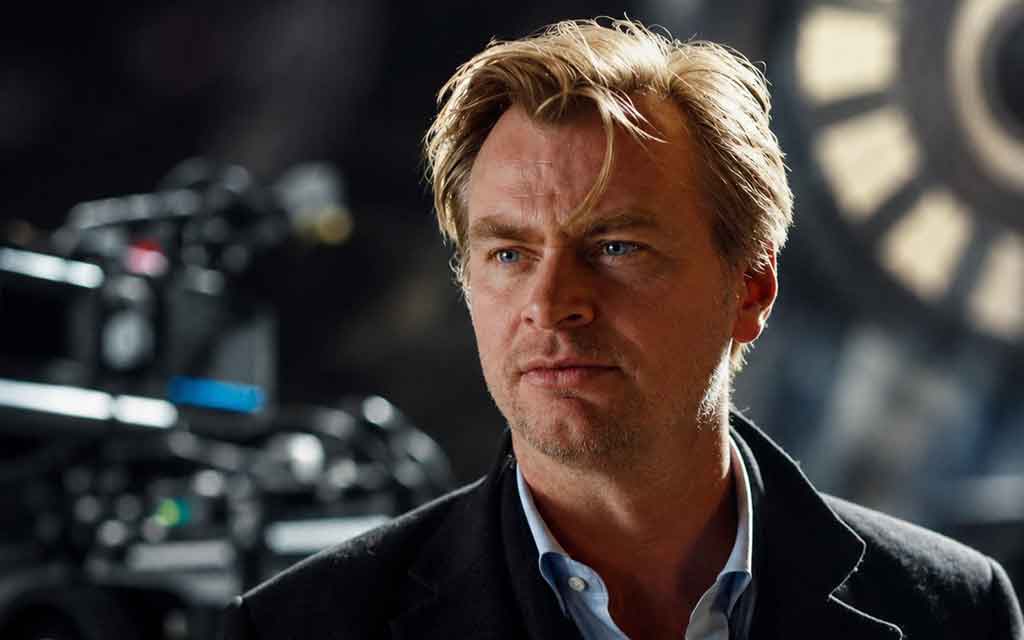
Oscar-winning director Christopher Nolan has delivered one of the sharpest cultural critiques of generative AI yet — and it comes straight from observing the next generation.
In a recent interview with The Telegraph while promoting his upcoming IMAX epic The Odyssey, Nolan declared that younger audiences are “utterly rejecting” AI-generated content. He described their reaction as “immediate and harsh,” noting that he has never witnessed such a rapid, wholesale dismissal of a supposedly foundational technological leap in his lifetime.
“So much energy has been expended on bringing in AI, but if you look at that generation’s reaction, they’re utterly rejecting it,” Nolan said.
“AI Slop” and the Instant Judgment of Gen Z
Nolan specifically referenced his own four children (in their late teens and early 20s) as a real-world example:
“[My sons’] judgment of AI slop has been immediate and harsh. They see it for what it is very quickly – and it’s much easier for them to identify it, because it grew out of an online world they know really well.”
According to Nolan, young people who grew up immersed in digital and online culture can instantly detect the synthetic, uncanny patterns that characterize much of today’s AI-generated images, video, writing, and music. What tech companies and investors have poured enormous resources into promoting as a revolutionary tool is, in the eyes of this generation, frequently dismissed as low-quality “slop.”
This observation carries particular weight coming from one of the most commercially and critically successful filmmakers of the 21st century — the director of Inception, Interstellar, Dunkirk, and Oppenheimer.
A Renewed Appetite for the Real and Tactile
Nolan connected the rejection of AI slop to a broader cultural shift he sees happening in cinema and storytelling. After years of heavily virtual, CGI-dominated productions, audiences (especially younger ones) appear to be craving more authentic, tactile, and human-centered work.
He pointed to the massive box-office success of recent low-budget films by young directors as evidence:
- Obsession (directed by 26-year-old Curry Barker) — over $400 million worldwide
- Backrooms (directed by 20-year-old Kane Parsons) — over $360 million worldwide
Nolan praised these films for their mysterious dread and real-world craftsmanship, even comparing elements of Backrooms to the work of David Lynch. He pushed back against the idea that young audiences only want short, disposable content, arguing instead that they respond strongly to thoughtful, immersive storytelling when it feels genuine.
“In film-making it’s hitting at exactly the wrong time,” Nolan observed. “After years of driving towards heavily virtual environments, we’re seeing a renewed interest in more tactile, more real forms of storytelling.”
Why This Matters for the AI Industry
Nolan’s comments arrive at a pivotal moment in the AI boom of 2026. While companies continue to invest heavily in generative models for content creation, marketing, entertainment, and software, a clear backlash from the youngest and most digitally native generation is becoming harder to ignore.
Key implications include:
1. Authenticity as a Competitive Advantage Content that feels handmade, human, and imperfect may gain cultural premium. Brands, studios, and creators who over-rely on AI generation risk alienating the very audiences they want to reach.
2. Detection Skills Are High Among Gen Z Young people who have spent years online navigating deepfakes, filters, and synthetic media have developed sophisticated pattern recognition. They can often spot AI “tells” faster than older generations or even some detection tools.
3. Timing Mismatch for Film and Media Nolan argues that AI arrived in Hollywood just as audiences were beginning to tire of overly digital, effects-heavy productions. The technology risks accelerating the very trends viewers are rejecting.
4. Economic Disconnect Nolan highlighted what he sees as a strange gap: enormous corporate and investment energy flowing into AI content tools, while the generation most exposed to digital culture is the one most quickly dismissing the output.
Broader Cultural Context in 2026
Nolan’s remarks fit into a growing conversation about “AI fatigue” and the limits of synthetic media. Across social platforms, forums, and youth culture, “slop” has become a common pejorative for low-effort AI-generated images, videos, articles, and music that flood the internet.
This rejection does not mean younger people reject all AI. Many use AI tools for productivity, coding, research, and personal projects. The specific pushback appears strongest against AI-generated creative content that pretends to replace human artistry or floods feeds with uncanny, soulless output.
In filmmaking especially, the debate has intensified around AI’s role in writing, visual effects, voice synthesis, and even full scene generation. Nolan’s stance aligns with many directors, writers, and actors who have expressed concerns about preserving the human element of storytelling.
What Creators and Companies Should Take Away
For filmmakers, studios, and content creators:
- Invest in real craftsmanship, practical effects, location shooting, and human performances where possible.
- Use AI carefully as a tool (for pre-visualization, research, or efficiency) rather than as a primary creative engine.
- Recognize that younger audiences may punish content that feels synthetic or lazy.
For AI companies and tech investors:
- The “AI will replace all creative work” narrative faces strong cultural headwinds from Gen Z.
- Building tools that enhance rather than replace human creativity may prove more sustainable.
- Understanding and adapting to audience detection of “slop” will be critical for product-market fit in creative industries.
Final Thoughts
Christopher Nolan’s assessment is both a warning and a note of optimism. He sees a generation that is highly media-literate, quick to reject inauthenticity, and still hungry for ambitious, real, human storytelling — as proven by the breakout success of young directors working with limited resources and maximum creativity.
As The Odyssey prepares for its July 17, 2026 release, Nolan is betting that audiences still want the magic of cinema that feels made by people, for people. If his reading of Gen Z is accurate, the future of creative industries may belong less to those who generate the most AI content and more to those who create work that still feels alive.
Frequently Asked Questions
What exactly did Christopher Nolan say about AI? He said younger generations are “utterly rejecting” AI and that their judgment of “AI slop” is “immediate and harsh.” He has never seen a more rapid wholesale dismissal of a major technology.
Why does Nolan think young people can spot AI content so easily? Because they grew up in a deeply online, digital world, they are highly attuned to the synthetic patterns and “tells” of AI-generated media.
Is Nolan completely against AI? He acknowledges that not every aspect of the technology is useless, but believes it is arriving at the wrong time for filmmaking and is being over-applied to creative work in ways that audiences reject.
What films did Nolan praise as examples of the counter-trend? He highlighted the massive success of low-budget films Obsession (by Curry Barker) and Backrooms (by Kane Parsons), which achieved hundreds of millions at the box office through authentic, tactile storytelling.
What is The Odyssey? Nolan’s upcoming $250 million IMAX epic, scheduled for release on July 17, 2026.
Tags: Christopher Nolan AI, Gen Z AI rejection, AI slop, AI in film 2026, tactile storytelling, The Odyssey Nolan
CTA:
Do you agree with Nolan that younger generations are rejecting AI-generated content as slop? Have you noticed yourself or people around you getting better at spotting AI media? Share your thoughts in the comments below!


Leave a Comment