

Senator Elizabeth Warren Urgently Calls for AI Regulations to Prevent a “Permanent Underclass” – Why AI Regulations Are Mandatory
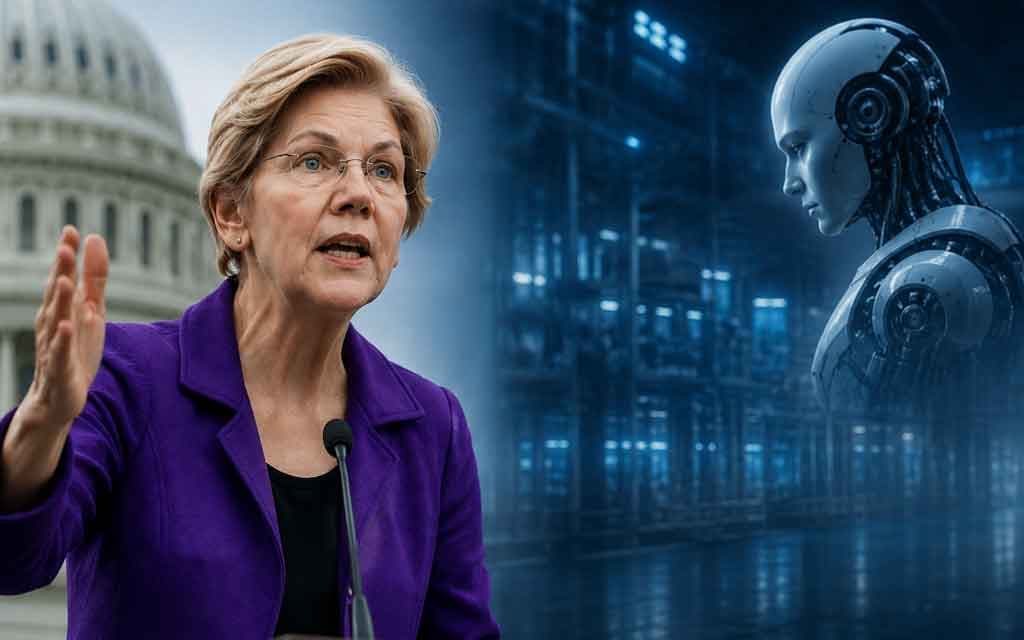
NEXT_PUBLIC_GOOGLE_ADSENSE_ID to enableAs the AI revolution accelerates, a sharp divide has emerged among leaders. Just days after OpenAI CEO Sam Altman downplayed fears of a “jobs apocalypse,” Senator Elizabeth Warren issued a strong call for immediate AI regulations and taxation to stop the creation of a “permanent underclass.”
Sam Altman’s Recent Optimism on AI and Jobs
On May 26, 2026, at the Commonwealth Bank of Australia’s Accelerate AI Conference in Sydney, Sam Altman stated that AI is unlikely to trigger the mass unemployment he once warned about. He admitted being “delighted to be wrong” about the swift elimination of entry-level white-collar jobs, citing the enduring importance of human interaction in many roles.
Senator Warren’s Urgent Warning and Call to Action
On May 27, 2026, Senator Elizabeth Warren published a powerful op-ed in TIME magazine titled “Why We Need to Tax AI.” She argued that without swift intervention, AI could supercharge wealth inequality and create a “permanent underclass” — a concern echoed by some tech executives themselves.
“Tech execs are warning that AI could lead to a level of wealth concentration that will break society and create a permanent underclass. I refuse to accept that future.” — Senator Elizabeth Warren
Warren highlights how AI, trained on public data and powered by taxpayer-supported infrastructure, risks concentrating enormous gains among a tiny elite while displacing workers.
Why AI Regulations Are Mandatory: Key Arguments
Senator Warren and many experts argue that proactive AI regulations and targeted policies are essential. Here’s why they are considered mandatory:
- Combating Extreme Wealth Concentration AI profits flow disproportionately to companies controlling massive compute power, data, and talent. Without measures like taxes on AI data centers, this could create historic inequality levels, leaving average workers behind.
- Protecting Workers and Funding Transitions Even without total job apocalypse, sectors like customer service, content creation, data analysis, and routine coding face major disruption. Regulations can generate revenue for:
- Universal healthcare
- Free education and apprenticeships
- Stronger unemployment insurance
- Job guarantee programs
- Workforce retraining
- Addressing Practical Risks
- Energy Consumption: AI data centers use enormous electricity, driving up costs for families. Warren proposes a scaled excise tax on energy use by large facilities.
- Misuse and Security: Strong rules are needed to prevent deepfakes, cyberattacks, and biased algorithms in hiring, lending, or justice systems.
- Fair Taxation: Current systems often tax labor more heavily than capital investments in AI, incentivizing automation over hiring.
- Ensuring Shared Prosperity Transformative technologies like electricity and the internet needed policy frameworks to spread benefits widely. AI should be no different. Smart regulations can redirect gains into public goods while maintaining innovation.
- Building Public Trust Responsible oversight prevents backlash, unethical deployment, and long-term societal instability that could ultimately slow AI progress.
Balancing Innovation and Protection
Altman’s View: AI will primarily augment work, creating new opportunities as human elements remain crucial. Warren’s View: Without deliberate policy, the economic gains will not reach most Americans, risking social fracture.
Most experts believe the reality is nuanced: AI will transform jobs rather than eliminate them entirely, but the speed and fairness of this transition depend on policy choices.
What This Means for You in 2026
For Individuals: Build AI-hybrid skills — master tools while strengthening uniquely human abilities like creativity, emotional intelligence, and complex problem-solving.
For Businesses: Adopt ethical AI practices, invest in employee upskilling, and prepare for emerging compliance standards. Responsible adoption can drive growth without alienating stakeholders.
For Policymakers: The tension between light-touch innovation and protective regulation will define the next decade of economic policy.
How VFuture Media Helps Navigate the AI Era
At VFuture Media, we believe in balanced progress. We help businesses implement AI responsibly — boosting productivity while prioritizing people and ethical standards.
Whether you need AI-powered content strategies, digital transformation guidance, or insights on regulatory trends, our team is ready to support your success.
Ready to future-proof your business? Visit www.vfuturemedia.com today for a consultation.
What’s your take? Are strong AI regulations and taxes necessary to prevent inequality, or do they risk slowing innovation? Share your thoughts in the comments below.
NEXT_PUBLIC_GOOGLE_ADSENSE_ID to enable

