

Iran Using ChatGPT and Gemini to Boost Cyber Attacks in 2026
NEXT_PUBLIC_GOOGLE_ADSENSE_ID to enablePublished: May 31, 2026
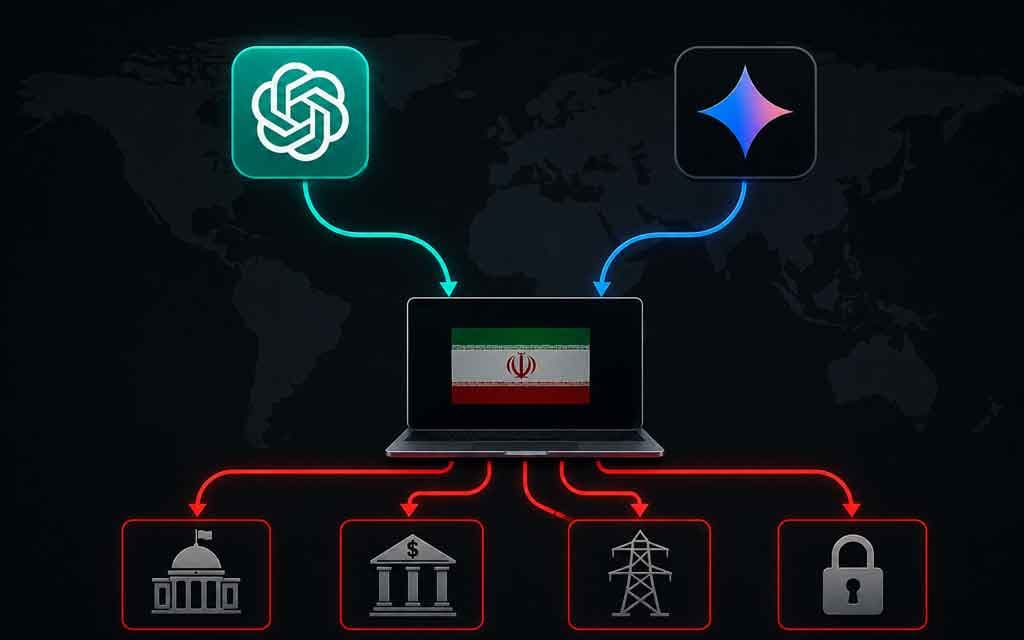
A major new report reveals that Iran is aggressively leveraging Western AI tools — including OpenAI’s ChatGPT, Google’s Gemini, and others — to accelerate its cyber operations. These tools are helping Iranian state-linked hackers develop malware, craft sophisticated phishing campaigns in multiple languages, and launch attacks at unprecedented scale and speed.
Key Details from the Reports
According to the Financial Times and multiple cybersecurity sources, Western AI models have “turbocharged” Iran’s cyber capabilities. Iranian operators are using these tools for:
- Malware Development: Writing and debugging malicious code faster than traditional methods.
- Phishing & Social Engineering: Generating highly convincing messages in perfect Hebrew, Arabic, and English, tailored to specific targets.
- Reconnaissance & Vulnerability Scanning: Identifying weaknesses in target systems, gathering intelligence, and planning attacks.
- Scaling Operations: Enabling a surge in attack volume, with Iran-linked groups reportedly responsible for hundreds of thousands of daily cyber attempts in regions like the UAE.
UAE officials have warned of 500,000 to 700,000 daily cyberattacks linked to Iran, many enhanced by AI tools like ChatGPT and even WormGPT.
How Iran Is Weaponizing AI
Iranian threat actors, including groups like APT42, are integrating AI across the full attack lifecycle:
- Early-stage reconnaissance and target research.
- Crafting personalized phishing lures.
- Coding and troubleshooting malware.
- Post-exploitation and evasion techniques.
Google’s Threat Intelligence Group has documented Iranian actors using Gemini for phishing operations and background research on high-value targets. OpenAI has previously disrupted Iranian accounts attempting to use ChatGPT for malware development and influence operations.
This marks a significant evolution in asymmetric warfare. AI lowers the barrier for sophisticated attacks, allowing smaller teams or less skilled operators to achieve advanced results.
Why This Is Concerning
- Democratization of Cyber Weapons: AI reduces the need for elite coding talent and speeds up development cycles dramatically.
- Geopolitical Tensions: This activity is intensifying amid ongoing regional conflicts involving Iran, Israel, and the United States.
- Global Risk: Critical infrastructure, governments, businesses, and individuals in the Middle East, Europe, and the US are at heightened risk.
- AI Company Challenges: Tech firms face growing pressure to balance open access with preventing malicious use, leading to account bans and improved safeguards.
Implications for Cybersecurity in 2026
This development highlights the dual-use nature of generative AI. While these tools drive innovation, they are also being repurposed by nation-state actors.
Recommendations for Organizations:
- Strengthen phishing defenses with AI-powered detection.
- Implement strict access controls and monitoring for AI tool usage.
- Invest in threat intelligence focused on state-sponsored actors.
- Regularly update systems and conduct vulnerability assessments.
For Individuals: Be extra cautious with unsolicited emails and links, especially those referencing current events.
The Bigger Picture
As AI capabilities advance, so do the risks of misuse by adversarial nations. Iran’s reported strategy represents a new frontier in cyber conflict — one where Western-developed technology is turned against Western interests and allies.
This story underscores the urgent need for stronger international norms around responsible AI development and deployment.
Sources: Financial Times (May 31, 2026), Google Threat Intelligence, UAE Cyber Security Council, Jerusalem Post, and OpenAI reports.
NEXT_PUBLIC_GOOGLE_ADSENSE_ID to enable

